 The Iconoclastic Society
“Strength of a Great Nation is not measured by it's Grandest Palaces but by the depth of National Essence that resides in the remotest corners of the Countryside”
OK, in the last part I forgot to simplify the open-crime culture of murders, kidnappings, and looting even in urban areas. It is very simple: lower-class politicians hired henchmen who enforced law and order on the ground. They looted and murdered upper-class elites in broad daylight, cloaked as modern-day Robin Hoods.
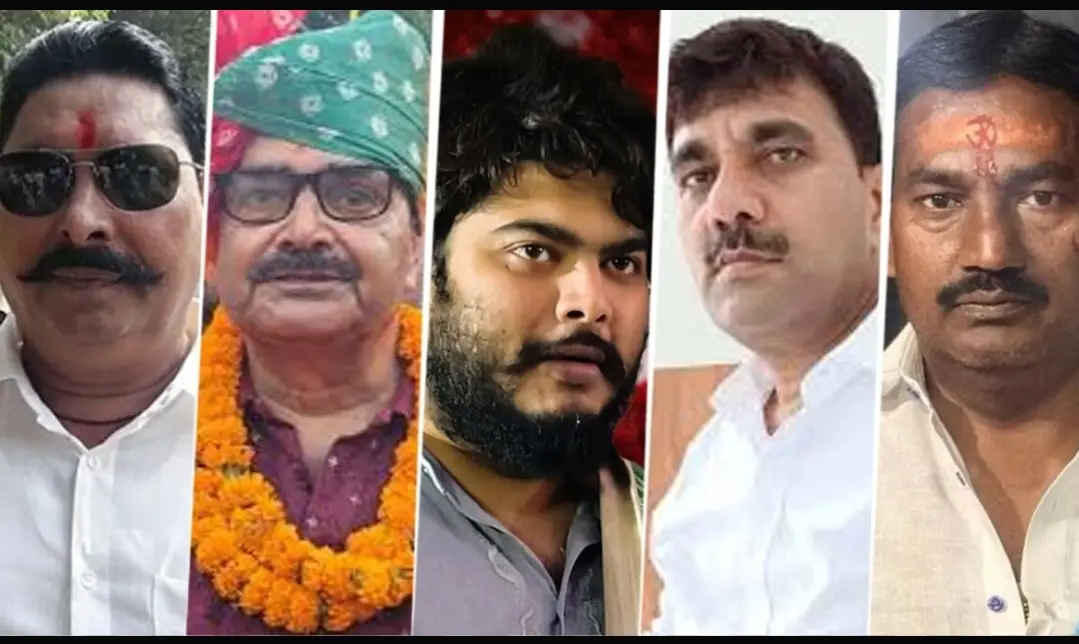
They were openly supported by the locals, who saw them as harbingers of justice. These Bahubalis (henchmen) delivered fast justice and monetary assistance during times of financial turmoil to locals when state governance failed to do so. This helped the henchmen win the loyalty of the locals.
§1STRANGULATION OF EDUCATION
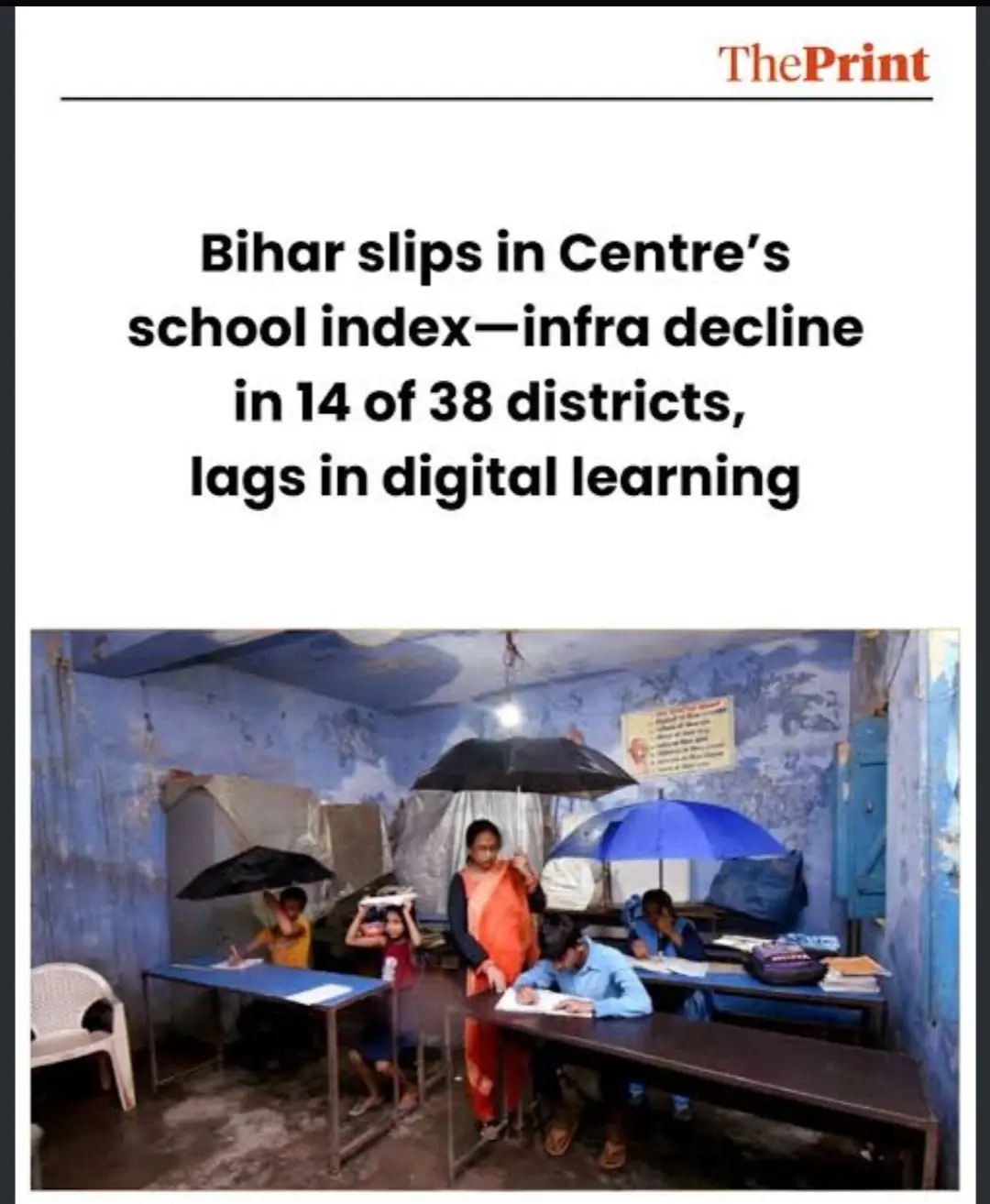
Bihar is notoriously known for its paper-leak mafias and cheating culture. Let's uncover the reasons behind it.
In the 1990s, due to budgetary mismanagement, Bihar faced severe financial distress.
In order to manage the turmoil, the Bihar government stopped the recruitment of permanent teachers, as it led to the depletion of the treasury through hefty salaries and pensions.
Instead, contractual teachers were hired at one-third of the actual salary from local village schools, many of whom lacked even basic subject knowledge in what they had to teach.
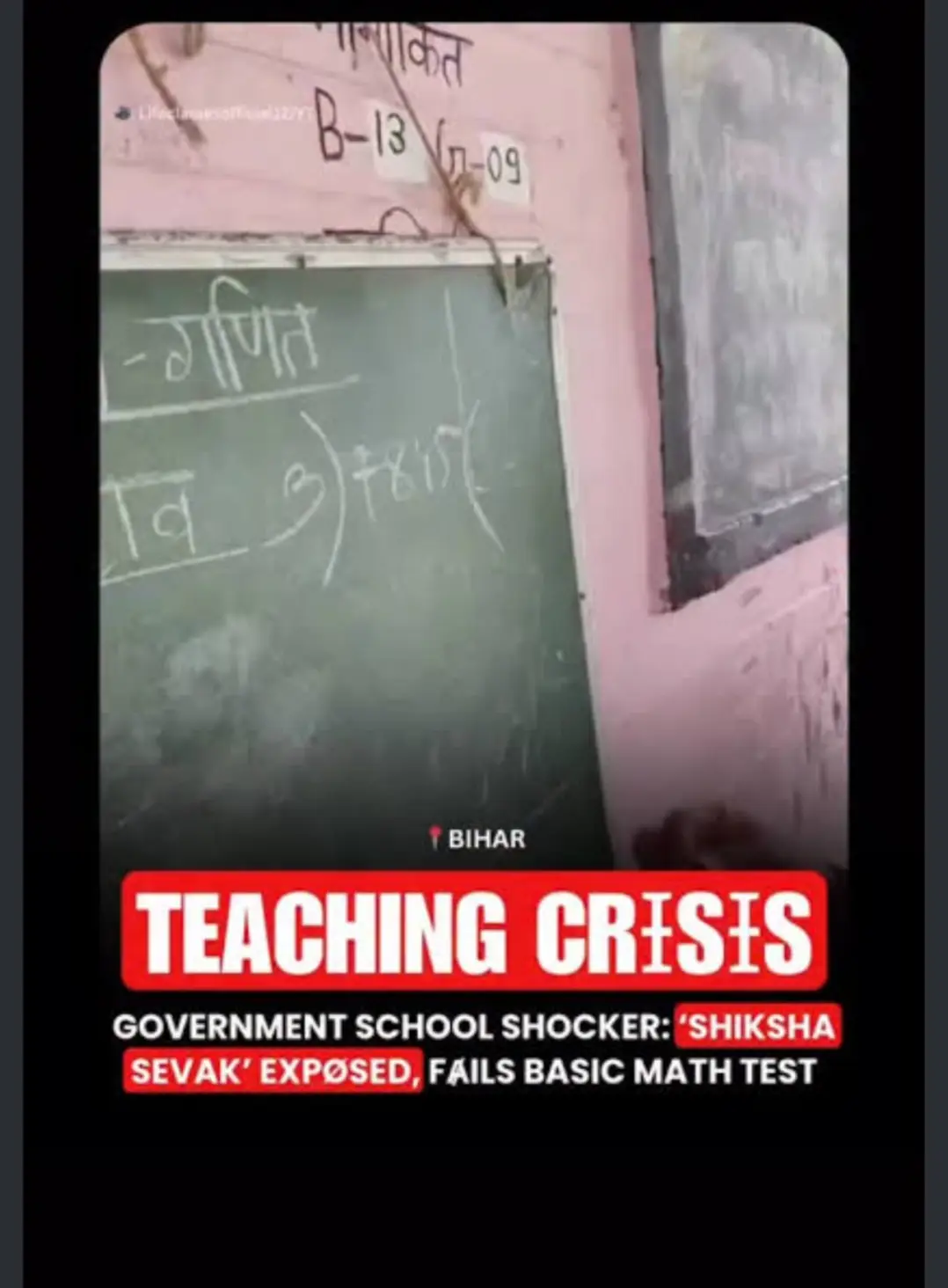
In a decade or so, most permanent teachers had retired. Teacher posts remained vacant for years, and the entire education system of Bihar came to a standstill.
Caste-based student politics and low investment in procuring basic education infrastructure led to long delays in academic sessions at universities. A normal bachelor's degree that was supposed to take 3 years for completion took 5 to 6 years due to strikes and professor vacancies.
This affected students who intended to prepare for government exams, as their age eligibility and basic knowledge base were in a despicable state.
Students were unable to pass basic school exams that were necessary for employment and job eligibility.
This gave room for the rise of the paper-leak mafia and cheating culture.
These methods were seen as the only way through which parents could secure their child's future.
Schools allowed open cheating during exams to reduce the mounting pressure of failures on students who would otherwise have to repeat the session.
The paper-leak mafia operated underground by penetrating the question paper printing and distribution machinery, making crores by selling these question papers.
In 2015, a video surfaced where parents climbed the walls of schools to deliver chits to their wards just to ensure that they passed.
In 2016, a 12th board humanities topper was unable to answer even basic questions from her syllabus.
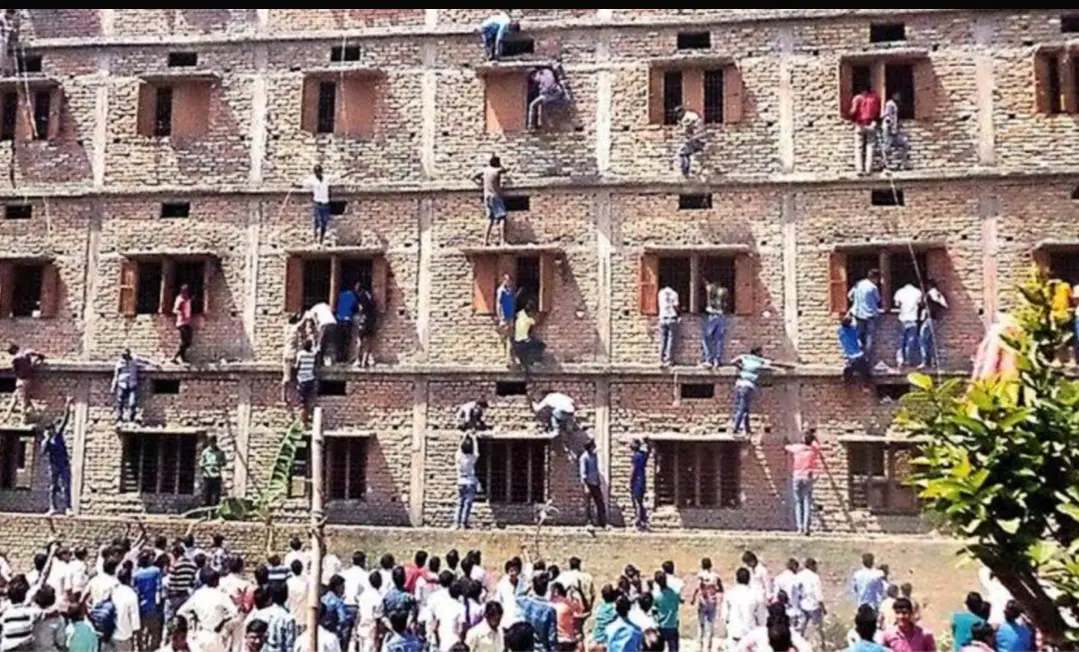
All these events led to a large-scale brain drain and tarnished the image of Bihar on the world stage.
§2FORMATION OF JHARKHAND AND BEYOND
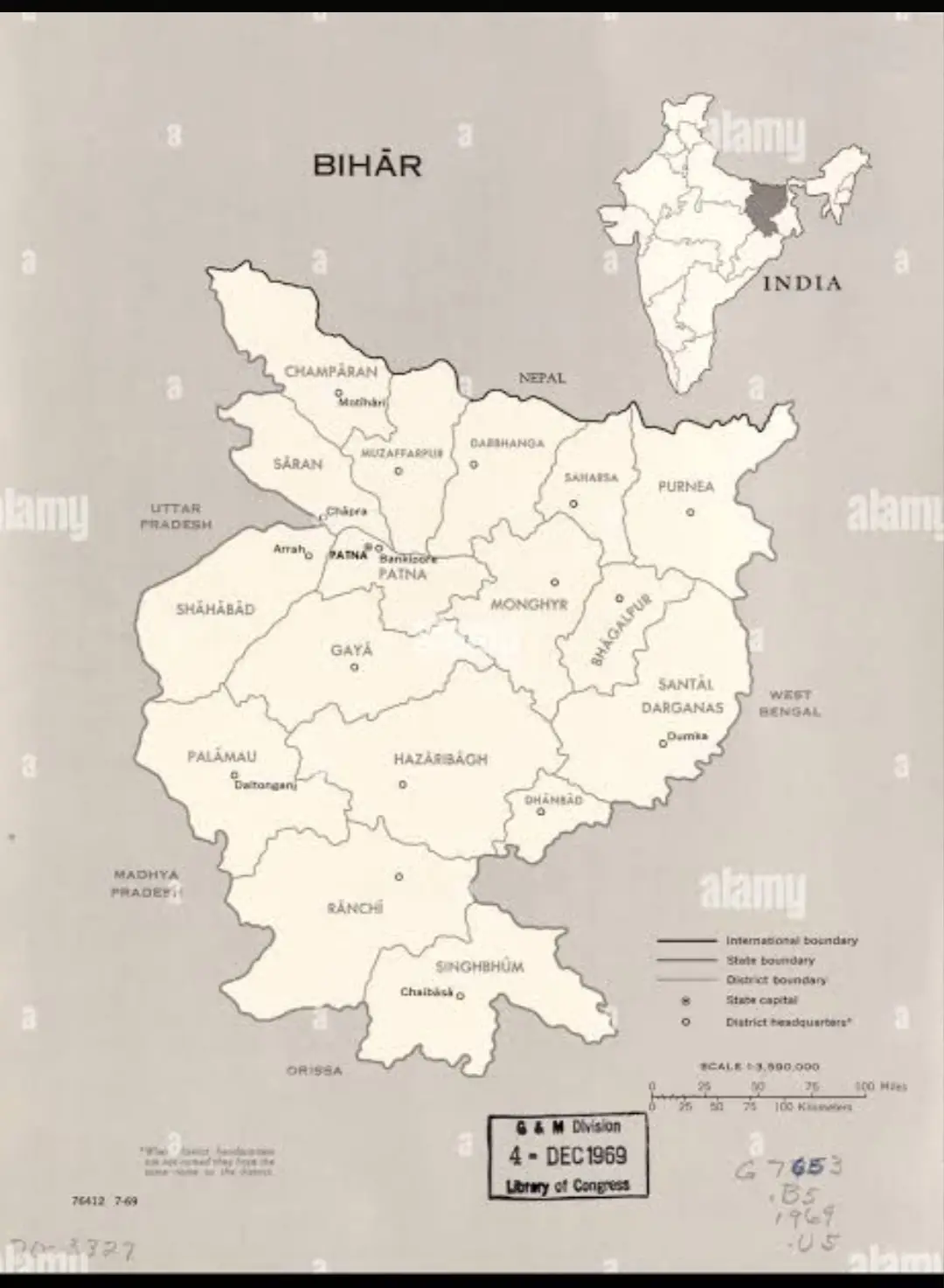
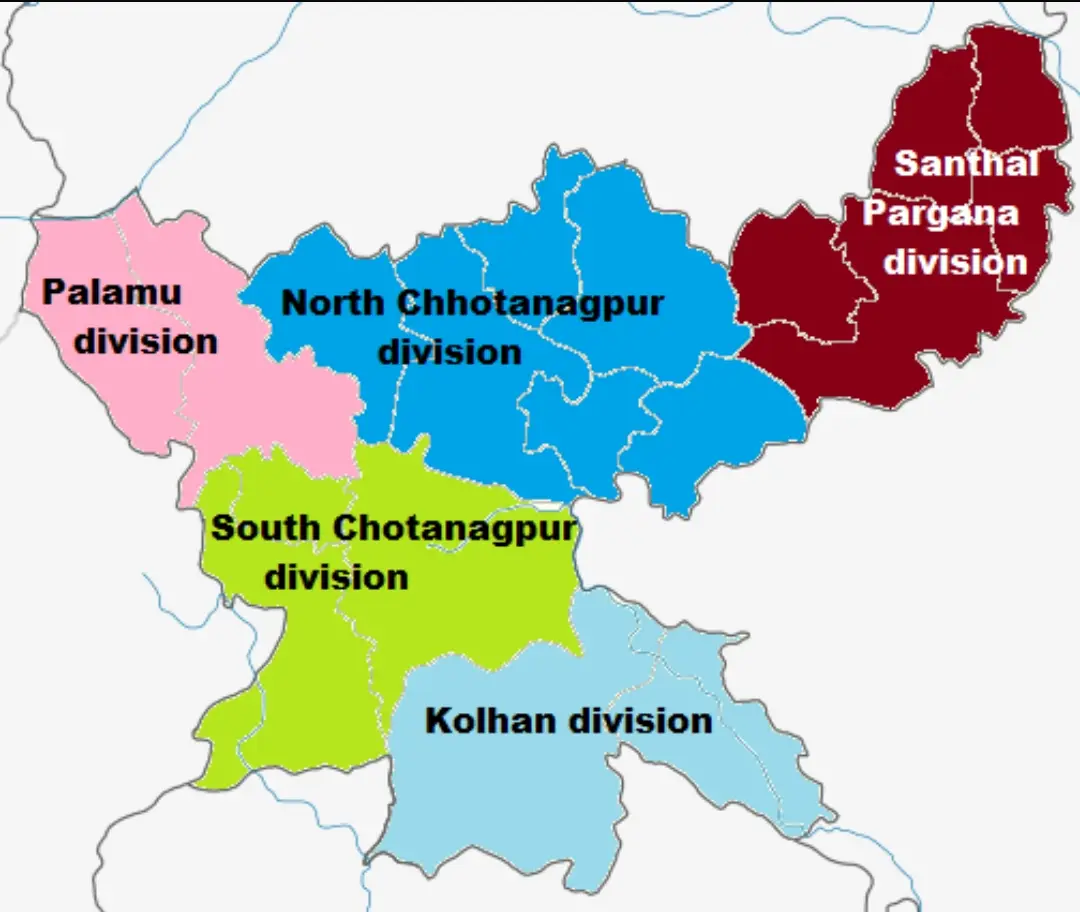
In the year 2000, Jharkhand was formed after breaking away from Bihar. It was indeed an economic nightmare for Bihar's mineral-based industry and power production facilities.
More than 50% of the major coal mines and power stations were in Jharkhand.
This unfolded into a large-scale power production crisis in Bihar. Now, it had only two major power stations to handle the entire demands of a large population. The crisis was so severe that even urban spaces were restricted to two to four hours of power supply in an entire day.

Electricity theft by illegally tapping power through tampered meters without paying for energy became prevalent.
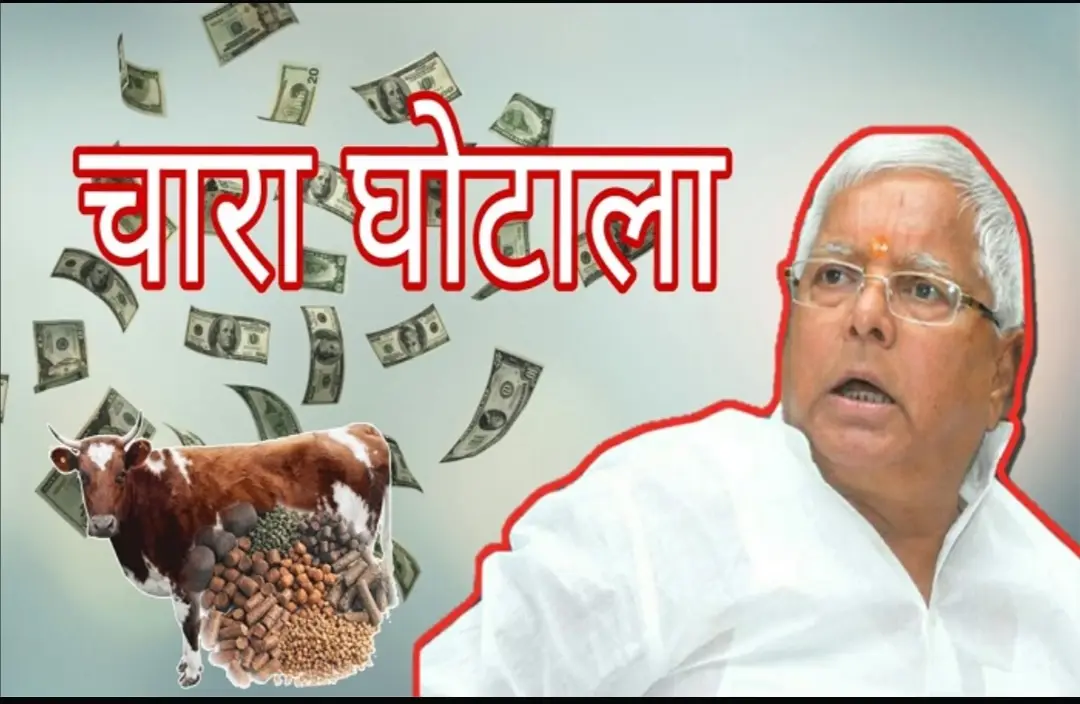
Corruption scandals like the fodder scam, or 'Chaara Ghotala', occurred where money meant for procuring fodder for cattle and veterinary services was siphoned off into the pockets of politicians and bureaucrats.
The 'Chaara Ghotala' was only one such example of administrative decay, amounting to a whopping 950 crore rupees.
In the arena of healthcare, the figures are even more distressing. Administrative negligence and intentional delays in the procurement of healthcare infrastructure—like surgery equipment, medications, and MRI scanning machines—made hospitals practically non-functional.
To bypass administrative scrutiny, ghost hospitals were registered on official documents. Politicians announced the building of hospitals just to get their photos clicked during ribbon-cutting, while the actual construction remained stalled for years.
As per government reports, Bihar spends only 70% of its total budget allocated for healthcare, and the rest remains unspent. There are hardly any good medical colleges in the state that can produce competent doctors. This has led to a brain drain as well as a scarcity of doctors. As per UN reports, Bihar has 1 doctor for every 22,000 patients, whereas WHO standards require 1 per thousand.

As far as the Bihar music industry is concerned, there was a time when traditional and culturally rich music was played on radios and at family events. Later, with the advent of digital media and the lack of a central censor board in the state, hyper-sexualized content began getting posted regularly to grab the attention economy.
The bolder and more obscene the lines were, the higher the click rates and, ultimately, the commercial revenue.
But despite all these impediments to progress, there still remains a ray of hope for genuine on-ground development through electoral literacy and awareness programs. It is true that mud and filth portray disgust and backwardness, but this very mud grooms the flowering of beautiful lotuses better than any other soil or water body.
Bihar produces the most IAS officers alongside UP. It shows that the problem was never with the ability of the populace to perform. Individuals like Anand Kumar, who produced IIT-JEE toppers with minimal resources; Faizal Khan or 'Khan Sir', who has single-handedly changed the landscape of digital education; Manoj Bajpayee; Pankaj Tripathi; and Ustad Bismillah Khan are proof that Bihar has the ability to produce greatness if provided with proper structural reforms.
Despite this perilous era of degradation, we have got numerous aspects of which Bihar can be proud of.
Bihar is just like a multi-colour exotic tapestry with beautifully crafted intricacies. The only flaw is that the fabric of this tapestry has got coated with a layer of dirt. Once wiped, it will light up to an animated state of pride, glamour and prosperity.
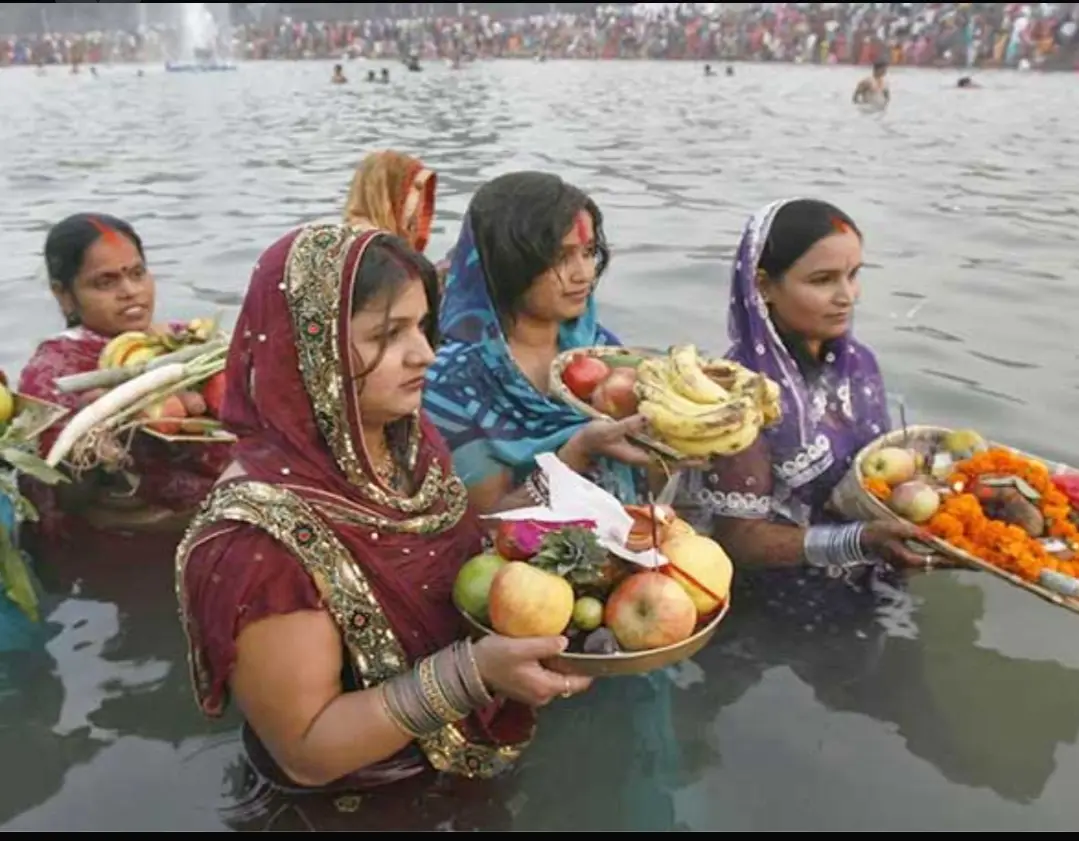
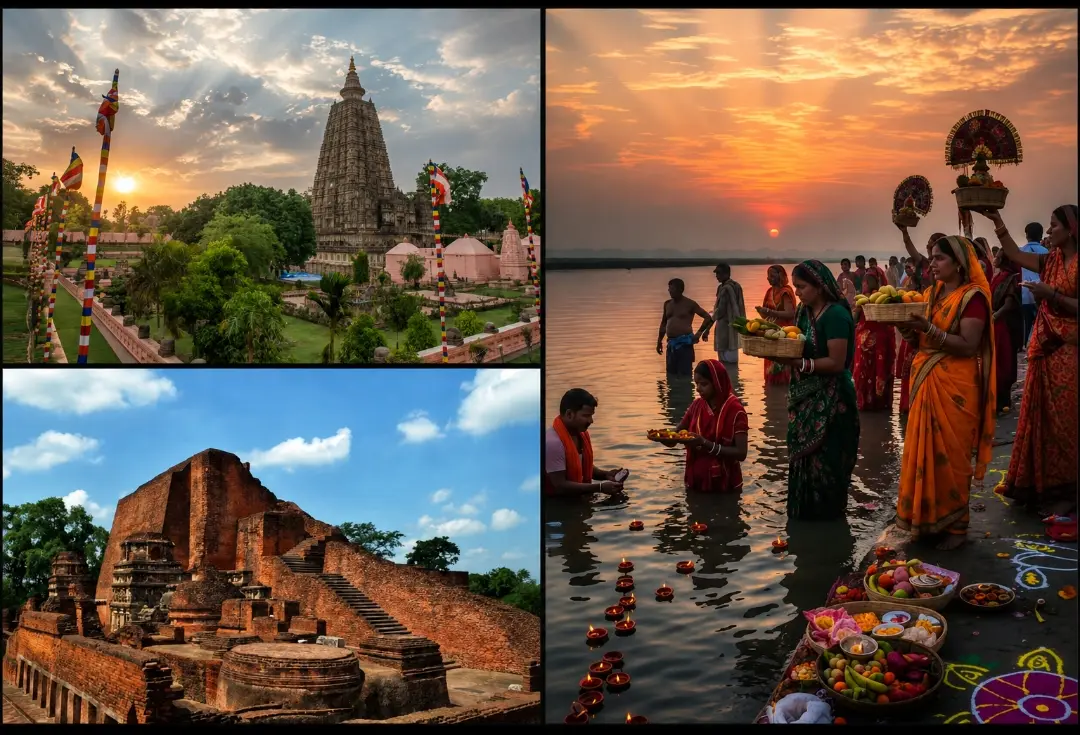
A living example of civilizational heritage is the 'Chhath Puja'. A biannual Hindu event with the major one taking place in the month of Kartik. It is one of the only festivals celebrated in Hinduism which doesn't have idol worship, and has survived for a time-span of 3000 years with its origins dating back to the Vedic Age. It is celebrated to offer obeisance to the Sun god as an expression of gratitude for supporting all the life-forms on earth from the very genesis.
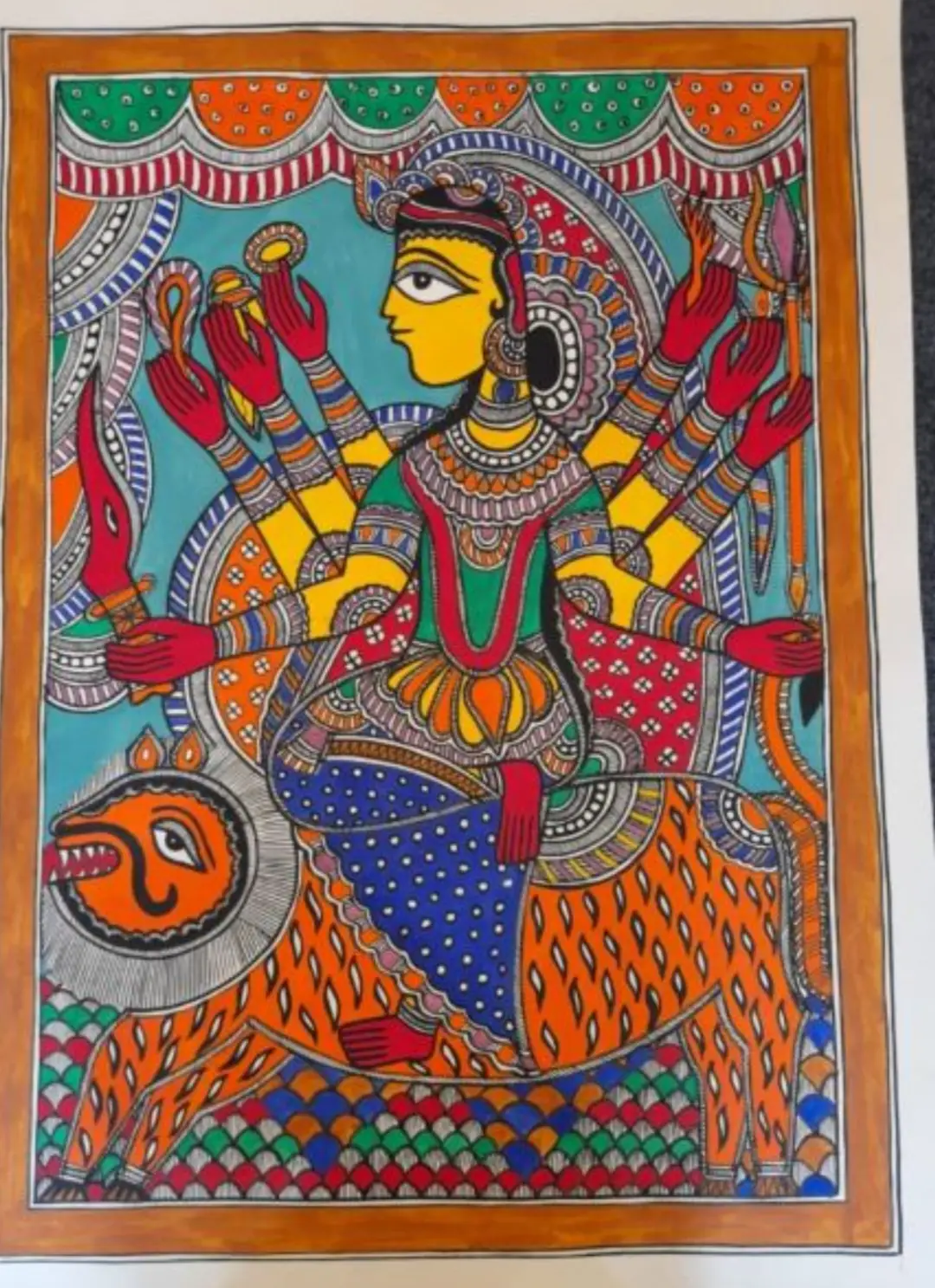
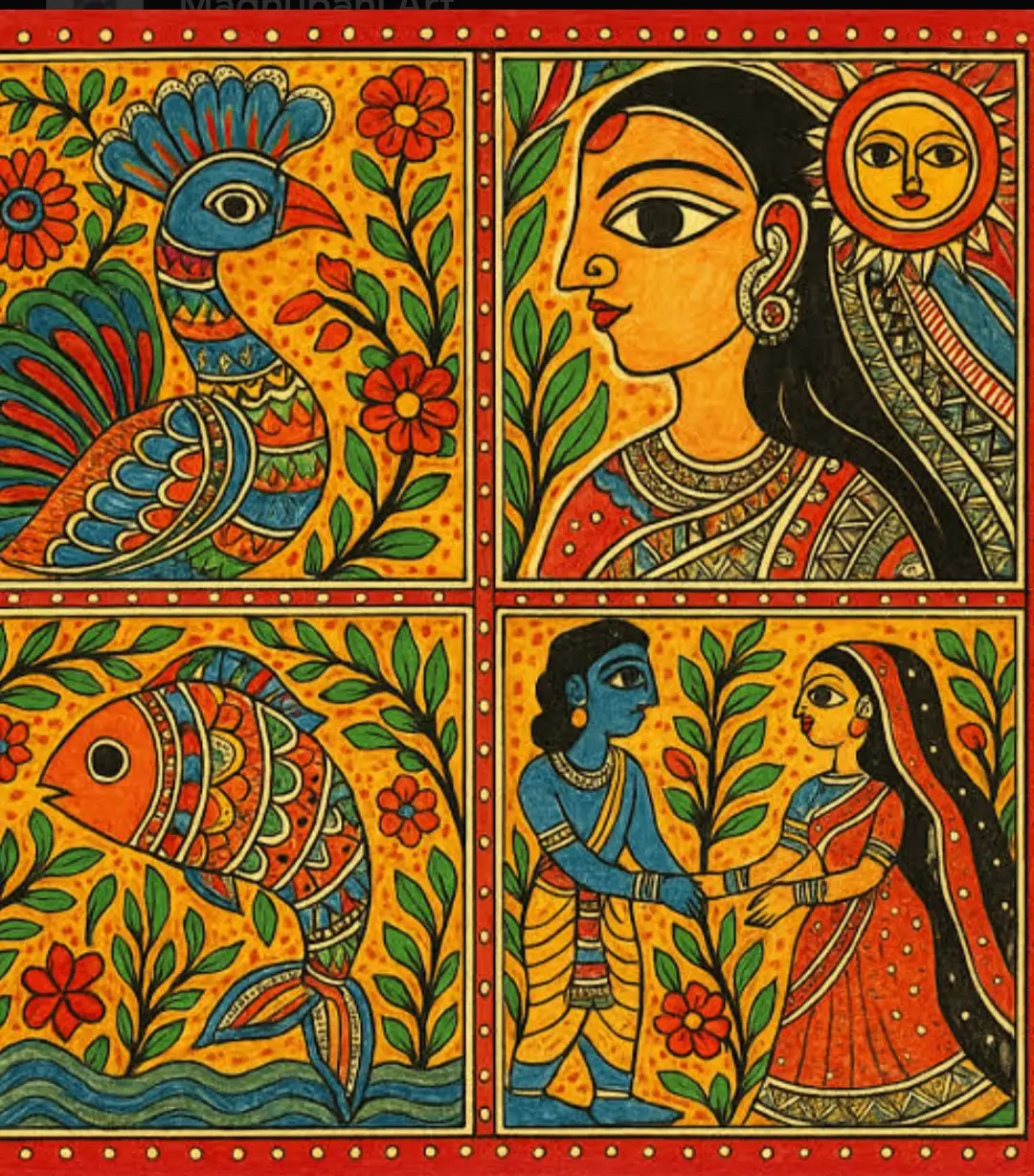
Madhubani Paintings are proof of the level of beauty and perfection a human mind can achieve. The art form dates back to more than 2500 years in the Rigvedic age. Beautifully drawn human figures that reflect emotions and actions. Minute geometric patterns around these figures make these paintings even more awe-striking.
Bihar is not just a cultural hub of Hindu heritage and traditions. Just like India, Bihar is a rich absorbent ocean which amalgamates every faith and belief system in itself.
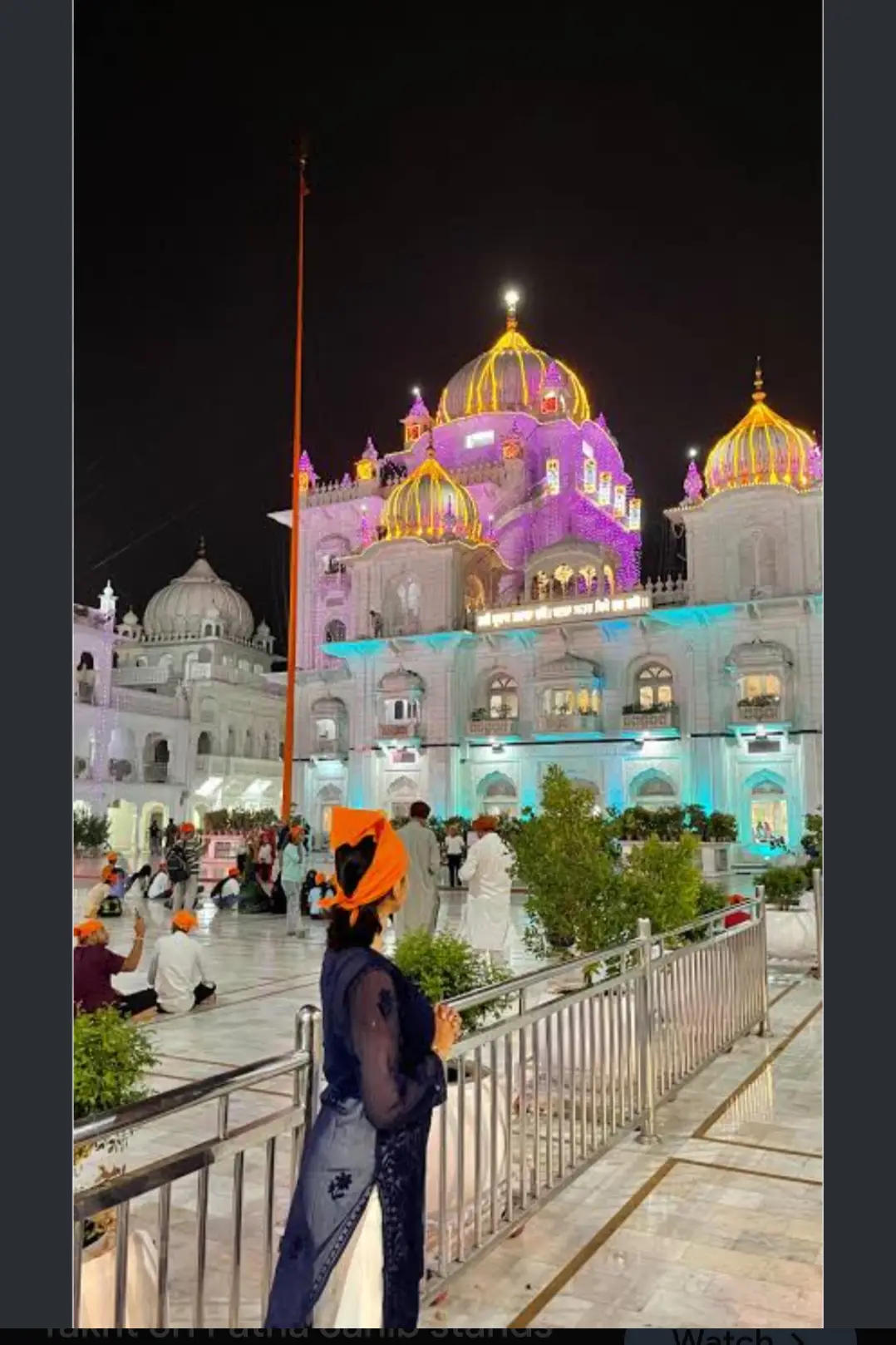
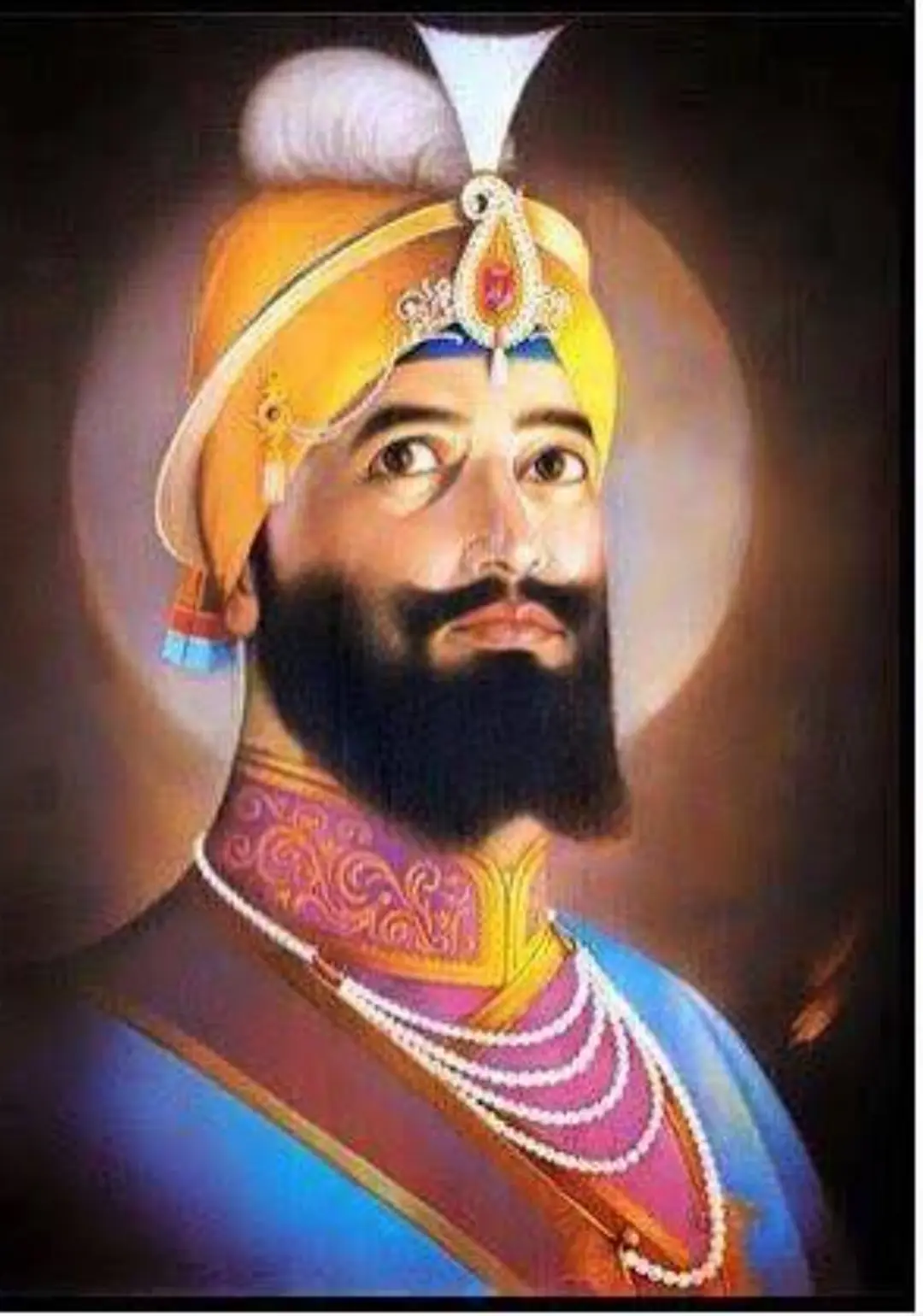
It was the birthplace of the 10th Sikh Guru, Guru Gobind Singh who established the Khalsa Panth in 1699 to safeguard Sikh values from foreign atrocities. A disciplined, casteless, warrior community.
Takht Sri Patna Sahib is dedicated to Guru Gobind Singh as it was his birthplace. It houses some of the most important relics and scriptures of Sikhism.
Bihar sowed the seeds of preaching the values of peace and harmony to the world. The birthplace of Buddhism and Jainism that taught the world the language of compassion and kindness originated from the land of Bihar.
As Thomas Jefferson quoted in 1776,
“All men are created equal"
That's indeed true, every man has the same depth of substance in intelligence and aptitude. Every land is equally blessed and equally cursed. But some move towards peril due to unchecked evil created by man himself.
It houses The Mahabodhi Temple Complex and The Nalanda University which are recognised by UNESCO as one of the 45 Heritage Sites of the country, projecting the might of the Indian civilization.
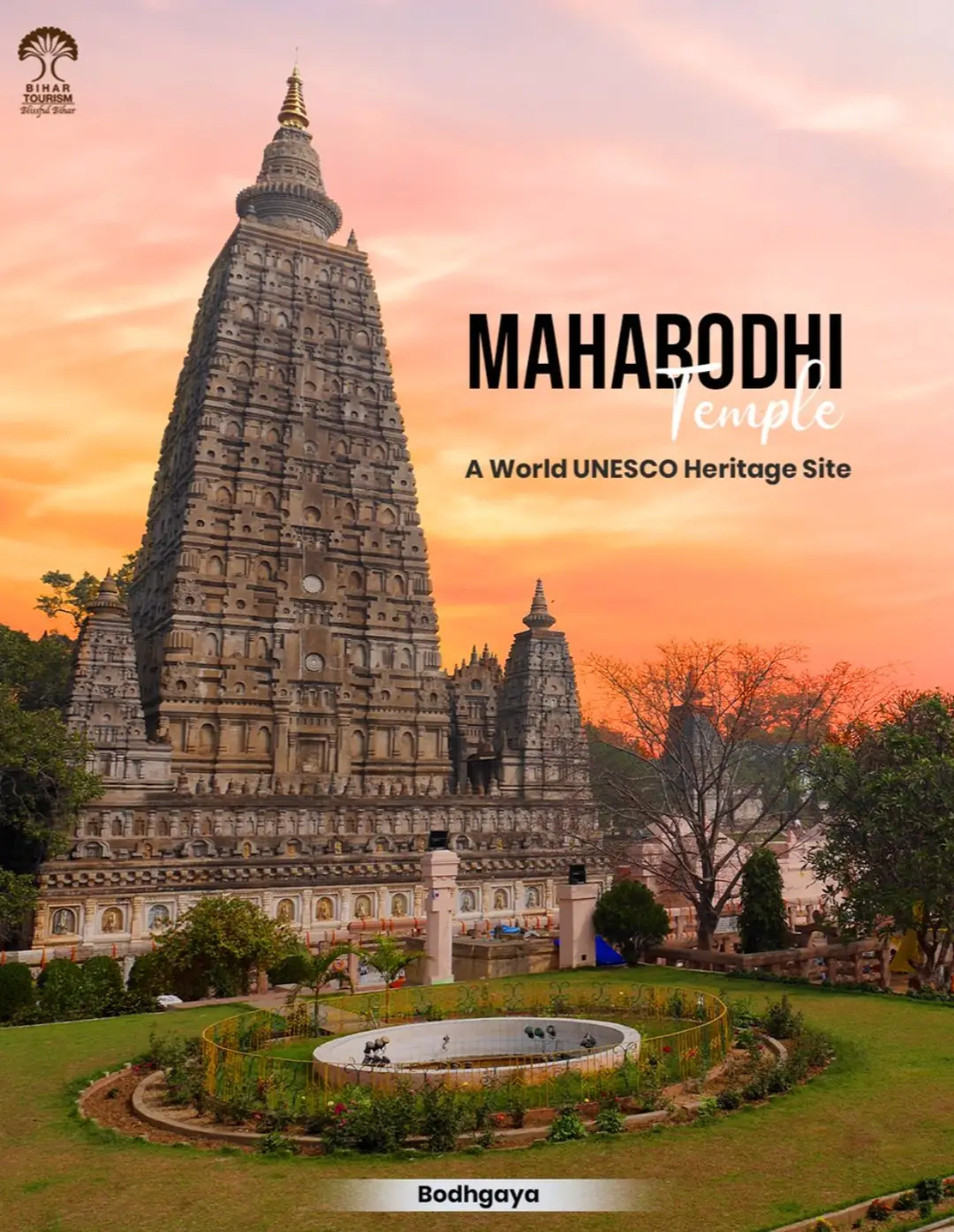
Bihar was the home ground of India's golden age. From Nalanda to Sarnath, it taught the world how to stand on its own feet, imparting knowledge coupled with religious and philosophical wisdom. As Indians we need to stop undermining our national heritage and initiate the process of growing and building together.
Pt. Nehru rightly said on the day this great nation liberated itself from centuries of subjugation:
"The ambition of the greatest man of our generation has been to wipe every tear from every eye. That may be beyond us, but as long as there are tears and suffering, so long our work will not be over."
These words of wisdom are not just to be used as quotes but as points of deep contemplation to make Bihar great again.
To make India great again.
Jai Hind 🇮🇳
Jai Bharat🇮🇳