If He Rose From the Dead
Part 1: Shaheed-e-Azam
 Brahma Swarup Das16 Aug 2026 · 5 min read · 3 figures
It was the rainy night of 14th August. The clock was about to strike midnight. Delhi’s skies were engulfed in heavy clouds before the celebrations of the 80th year of Independence. A gradual transition occurred between the birth of two nations alongside two ideologies—yet the people remained of the same flesh, blood, and culture.
The clouds were slowly clearing off, and the rain reduced to a light drizzle. Suddenly, a thunderbolt struck the old, medieval-era disheveled walls of the Feroz Shah Kotla.
The lightning was so intense that it displaced a few bricks and shattered the mortar of an isolated wall. Stray dogs ran hither and thither in different directions; they had been having a good sleep before the grand 80th Independence Day celebrations, which were going to be a long, jam-packed event—the best time to fill their stomachs from thrown chips packets and unused sweet cartons.
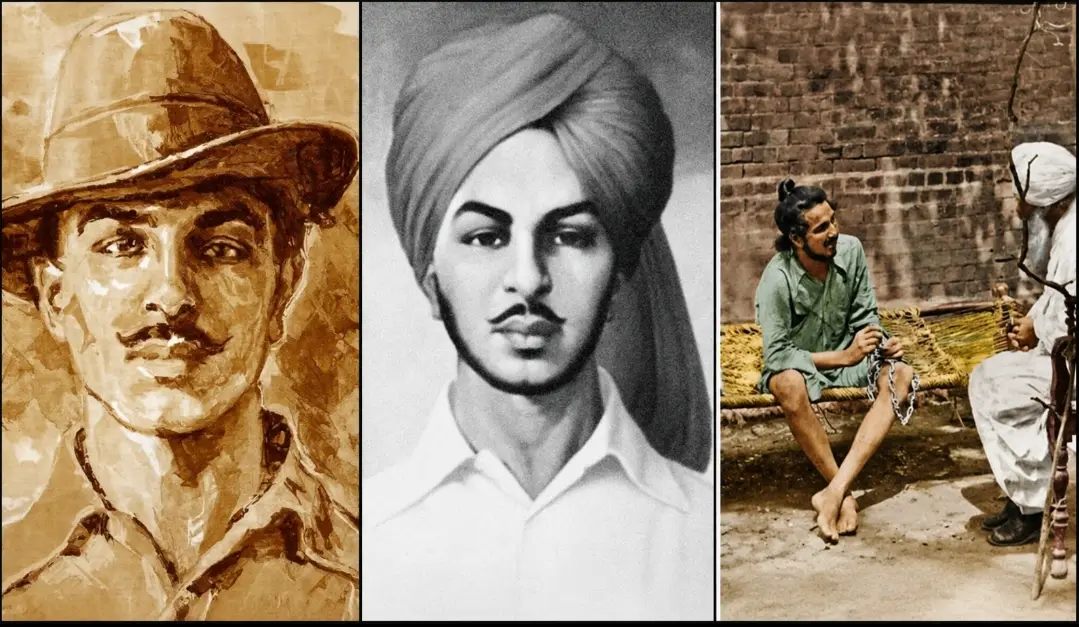
Slowly, as the dust settled, a tall male figure emerged from the disheveled heap of bricks. He coughed hard from the sheer density of dust around him. He rose, dusted his single-breasted western coat, buttoned his shirt, and adjusted his hat. Then, he curled his fine mustache as an OCD ritual.
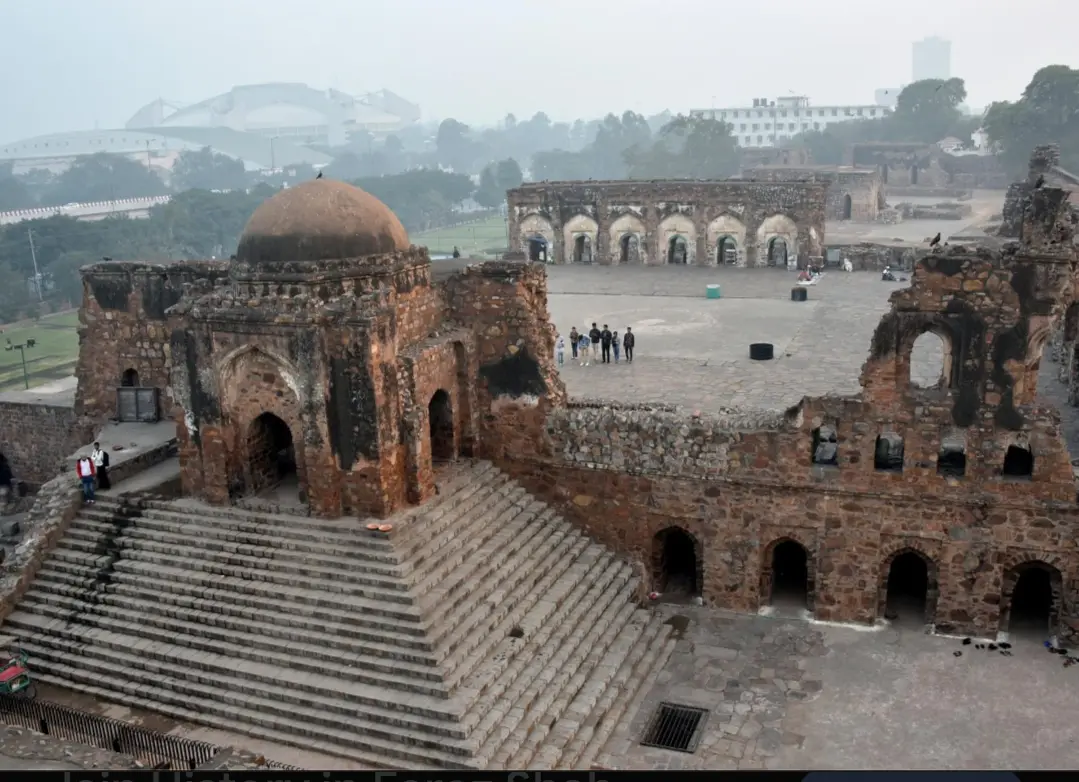
After he gained his senses in the present, he was filled with a sense of pride and amazement. He found himself standing in the very premises of the Great Feroz Shah Kotla, where he had laid the foundation of the HSRA (Hindustan Socialist Republican Association) alongside Chandrashekhar Azad, Sukhdev, and other Indian revolutionaries.
Not even a bit of it had changed. The same red scraped walls, the same wet-chilly weather. He remembered those days of September when he had briefed all the members about the purpose of the movement while serving a glass of milk and eggs to all participants—how they had resolved not just to end British rule, but also to establish a classless, rationally driven society where the voices of the Proletariat (the working class) governed the state, and where the 'Test of Reason' would be used to discard every conservative and dogmatic belief inhibiting progress.
As he walked around the Feroz Shah Kotla complex, he tripped over broken pieces of liquor bottles and multiple burnt cigarettes. He looked down and tried to push away the broken glass pieces with his leather shoes. Suddenly, his eyes fell on a wet, torn calendar. He cleared off the dirt and was shocked to see the year: 2026.
He dropped the calendar and jumped over scattered bricks and mud puddles to reach the exit. But he was terrified to see that in place of the old exit gate, there was a new bricked-and-cemented wall. He stood there in utter disbelief, gasping for air. He pinched himself and realized for the first time that he was awake—that the last time he remembered was the evening of 23rd March, 1931. Draped in black robes, a lion-hearted immortal spirit accompanied by shivering mortal flesh, alongside his two comrades. Putting in a bit more effort, he recollected that after the hangman put a black face cover and a heavy noose over him, everything had gone silent.
Nevertheless, he had to admit it was the year 2026.
He could see tall poles with bright lights of vibrant colors across the large paved roads from inside the Kotla premises. He finally found an exit with large, majestic gates fitted with spikes. It was being guarded by two chubby watchmen in their respective huts. One was sleeping to glory after being drunk, while the other was busy watching a small, bright rectangular piece that sounded like someone delivering cricket match commentary.
He saw an opportunity and swiftly rushed to the road after sneaking through the gates.
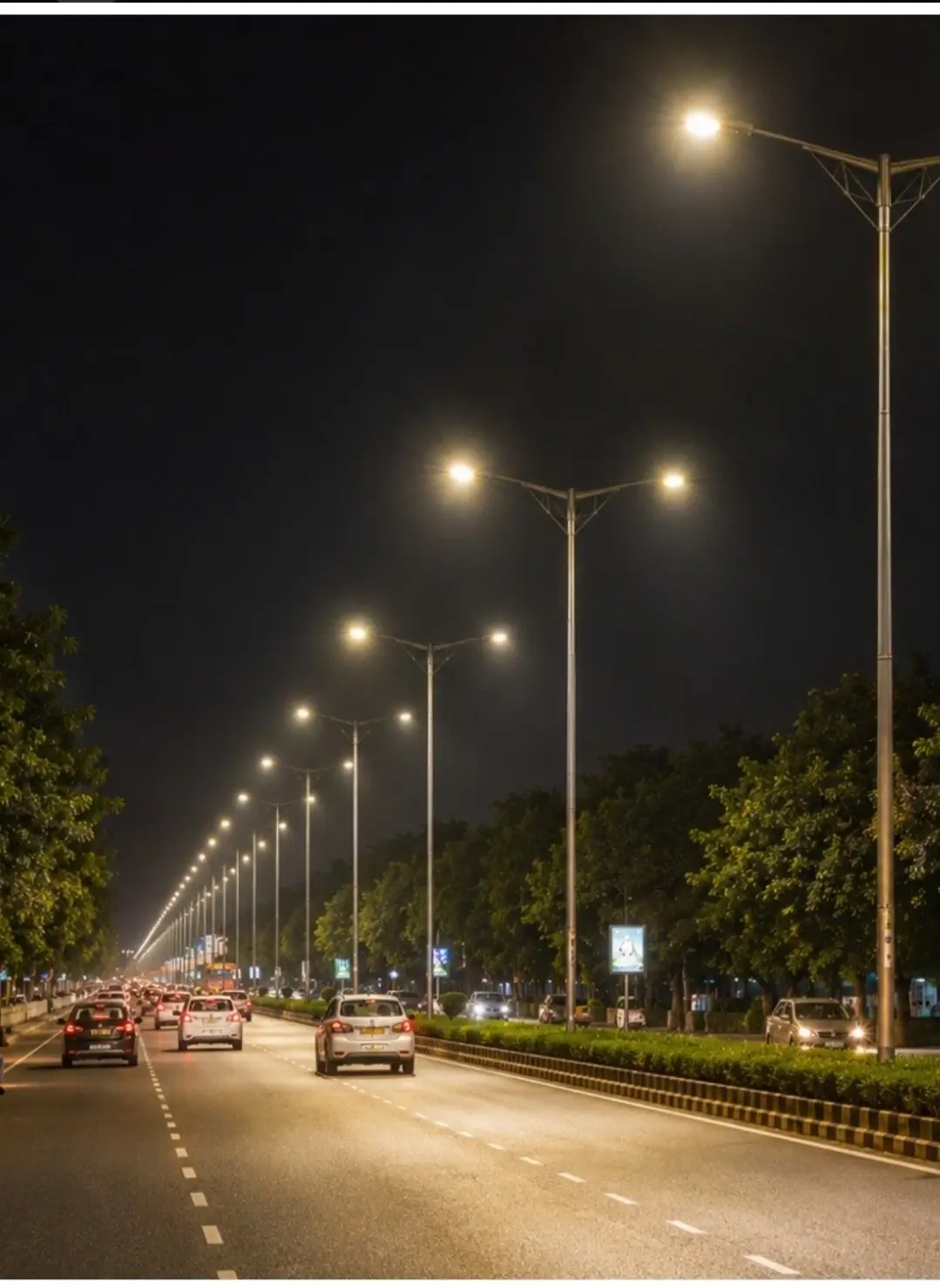
He walked away in the night—lit not by the moon, but by sophisticated LED streetlights. The man was still wondering while walking on the street: What exactly was that bright object held in the palms of that watchman?
Even before he could relieve himself from the barrage of thoughts, he suddenly saw two young adults in their early twenties riding a sports bike at lightning speeds on the opposite side of the road. The only bike the man remembered was a 20th-century Bullet that he and his comrades used to escape after shooting British police officer Saunders. But it was nowhere near as fast as this one.
Suddenly, he heard screams from a female tone across the road. The sight was disturbing. The two young adults were trying to abduct a teenage girl and attempted to strip her clothes.
He instantly shouted from across the road, "Hey, you two! Stop this nuisance!"
The two boys stopped for a while and looked around for the voice. They saw a tall man dressed in old-styled British clothes with an elegant hat. Suddenly, both of them burst out in laughter.
"Oh man! This is not some fancy dress competition! Whom do you think you are? Do you think you are some James Bond or Bhagat Singh?!" the two boys continued laughing.
The furious man took out a vintage 0.32 Colt pistol from his coat pocket and fired two bullets into the air.
The sound of the shots was terrifying. The two boys got frightened and instantly ran away from the scene with their bikes.
The man crossed the road and reached the girl. He advised her to get home and to remain courageous. The teenage girl thanked the man and asked for his whereabouts.
The man was blank for a few seconds, then replied that he hailed from Banga village in Lyallpur district, Punjab. He added that he was searching for a Tonga so that he could reach the Delhi Railway Station.
The girl took out her smartphone and Googled Banga village. The girl got confused and said, "You are bluffing, right? This village is not even in this country anymore—it is in Pakistan."
The man was dumbstruck after hearing those words. He spoke in a stunned accent:
"What on earth is Pakistan?”
To be continued