 The Iconoclastic Society
“Russia is a riddle wrapped in a mystery inside an enigma."
— Winston Churchill
This quote by Winston Churchill, the British Prime Minister during the Second World War, describes the desperation of the West to understand Russia as a country and, more importantly, as a nation-state. Their thought process and work ethic.
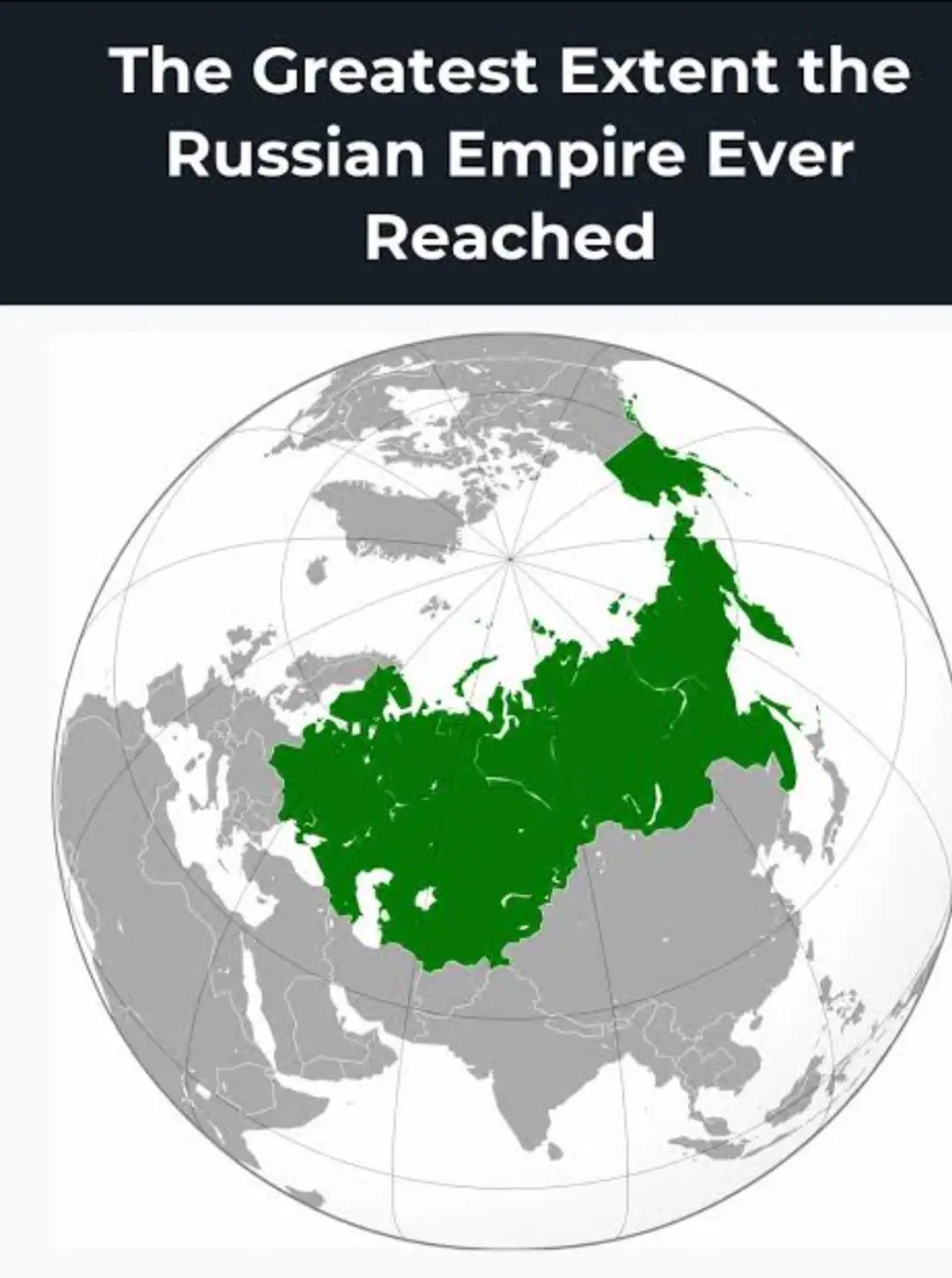
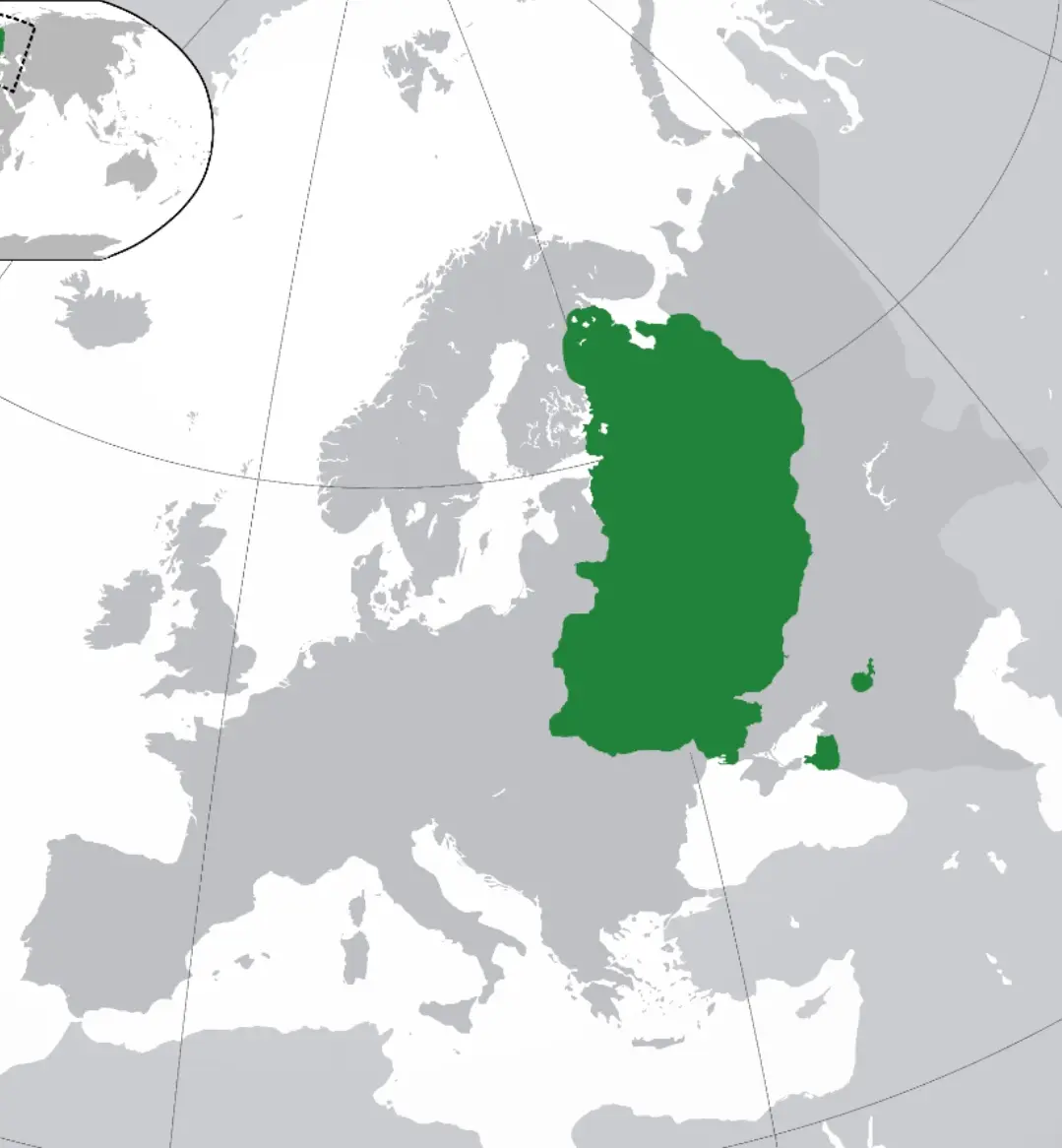
Russia, "the Great Bear"—the map itself looks quite intimidating. Spread across 12 time zones and bordering 14 sovereign countries, it is a mammoth in terms of geographical expanse. It is a great nation with a rich history and culture that remained the only superpower post–Second World War until 1991 that could challenge American hegemony.
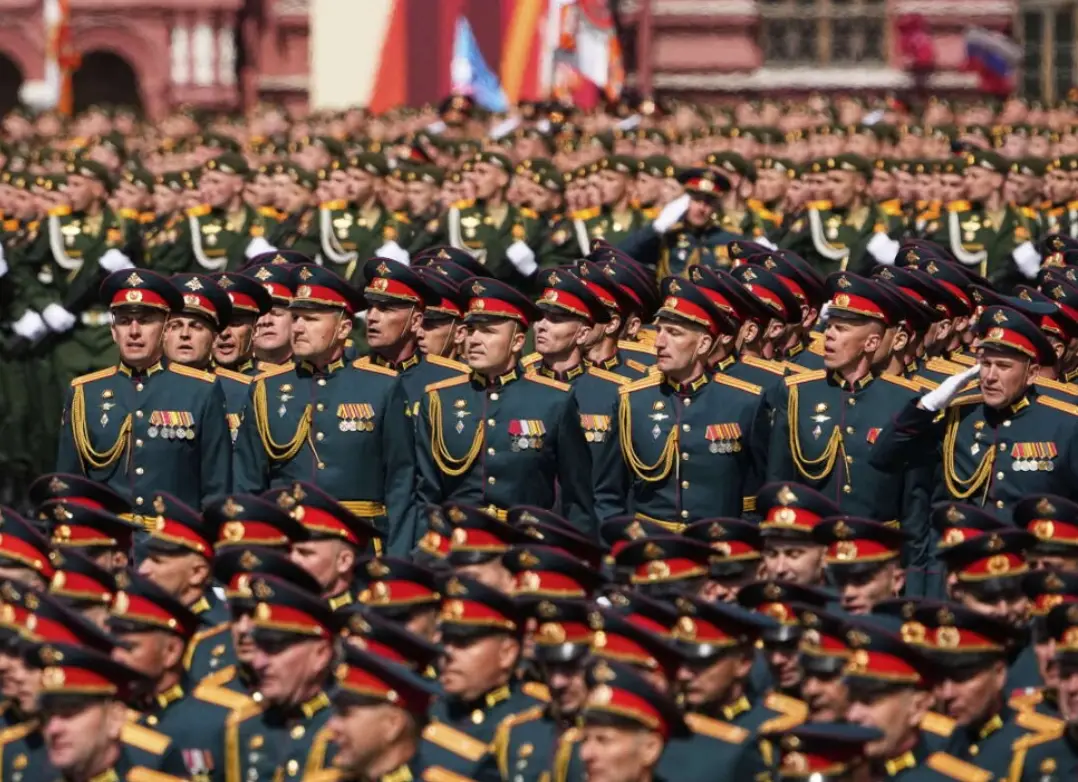
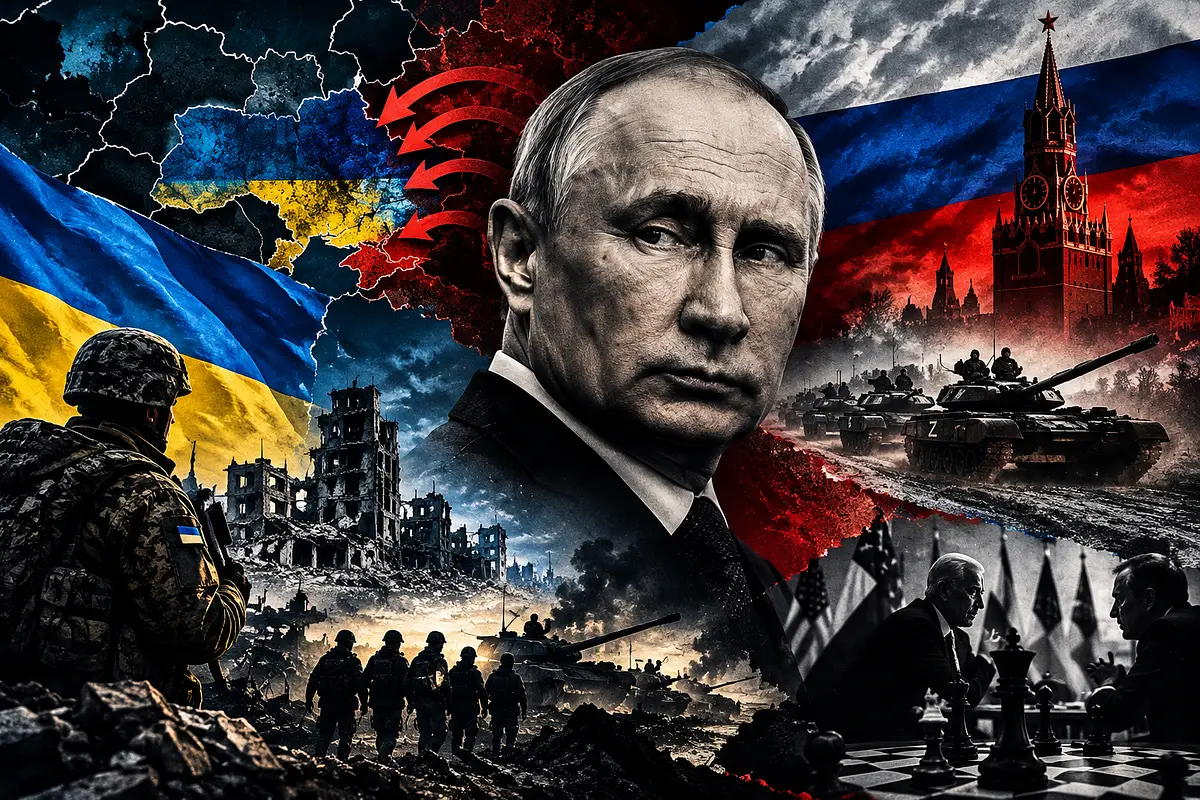
In this reader episode, we will dissect Russian expansionism and certain geographical caveats that pushed it to invade Ukraine—an event that was bound to happen at some point in time.
§1Royal History, Expansionism, and Geography
To understand Russia's present aggressive stance, we need to analyze this country through a multidimensional lens of history, geography, economics, as well as internal politics.
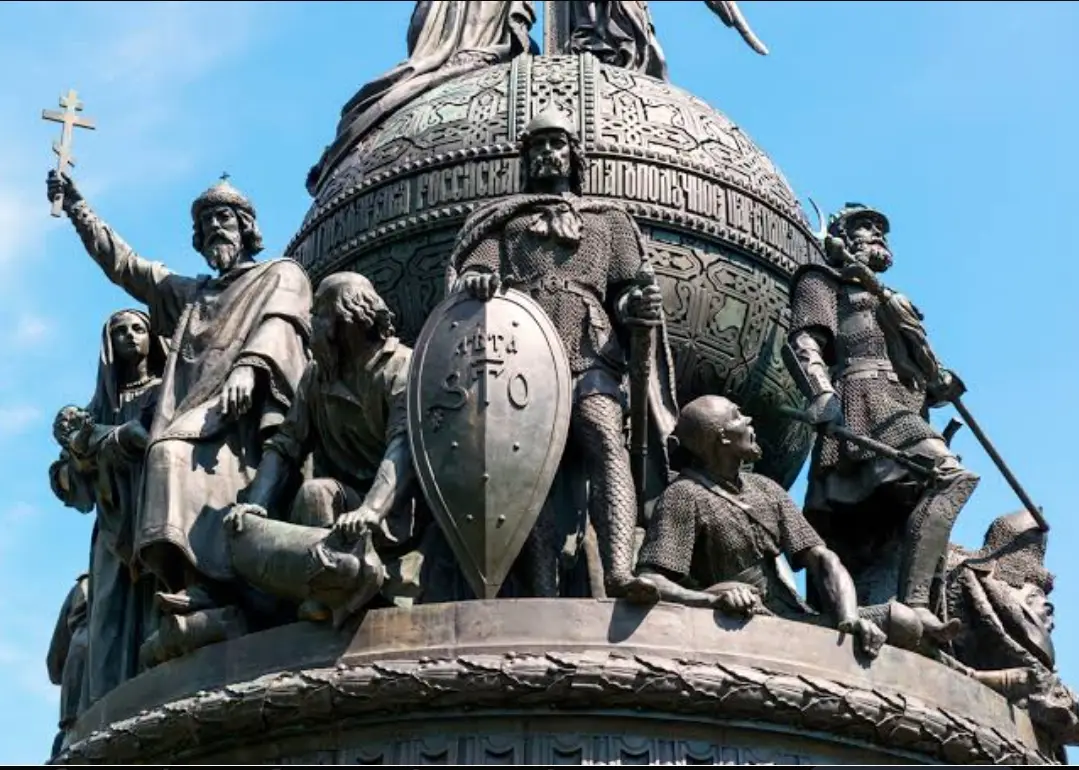
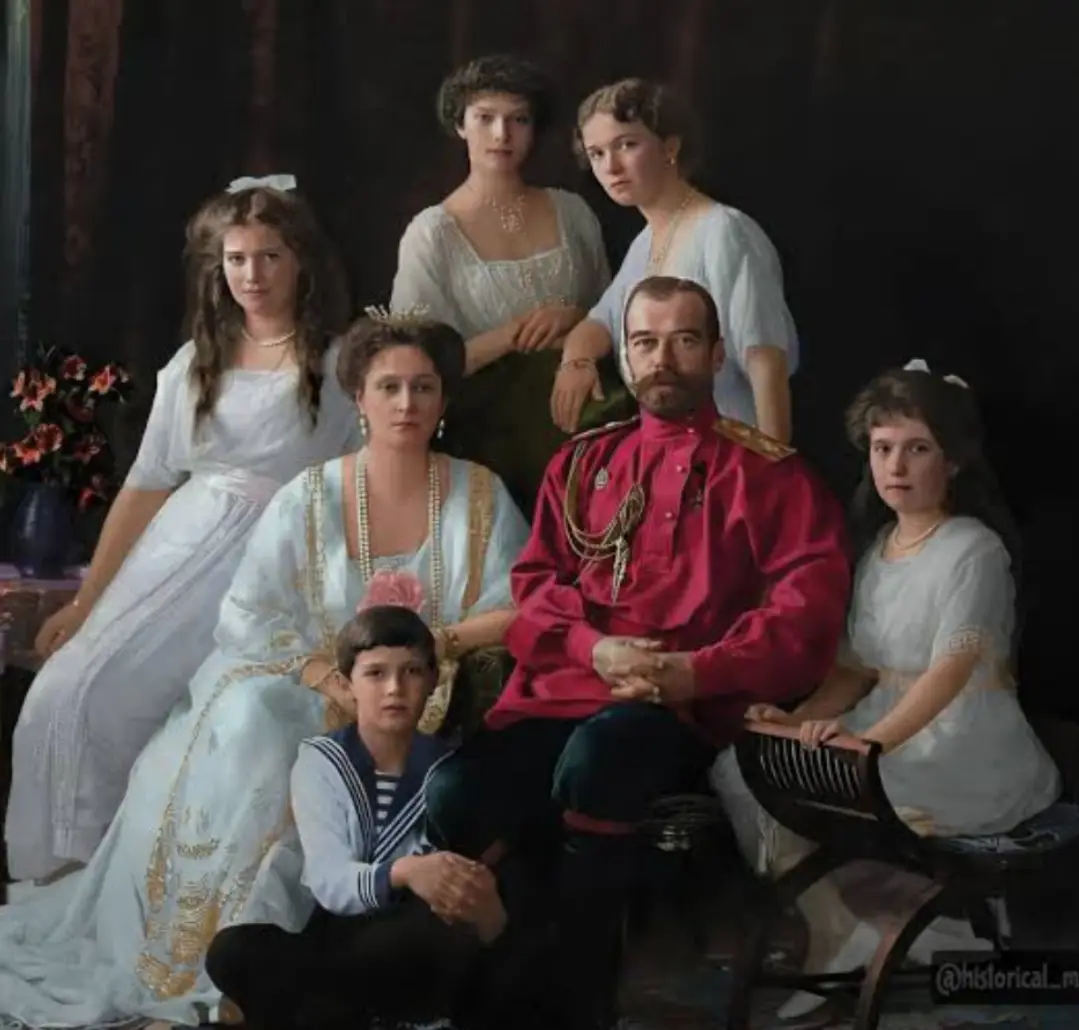
You see, Russia's royal history is unlike countries such as India or China, which were ruled by multiple dynasties in the past—both domestic and foreign. Russia saw only two major dynasties consolidating power in its history:
1. Rurik Dynasty (862–1598 AD)
2. Romanov Dynasty (1613–1917 AD)
In the early 9th century AD, the current Russian state was merely a collection of small tribal groups inhabiting the plains of the Dnieper River in Kyiv (present-day Ukraine).
Later, in 862 AD, King Rurik established order by uniting the northern tribes. After his death, his relative Viking Oleg consolidated power by uniting the northern and southern tribes by force, finally establishing the federation of 'Kievan Rus' by uniting the regions of Novgorod and Kyiv.
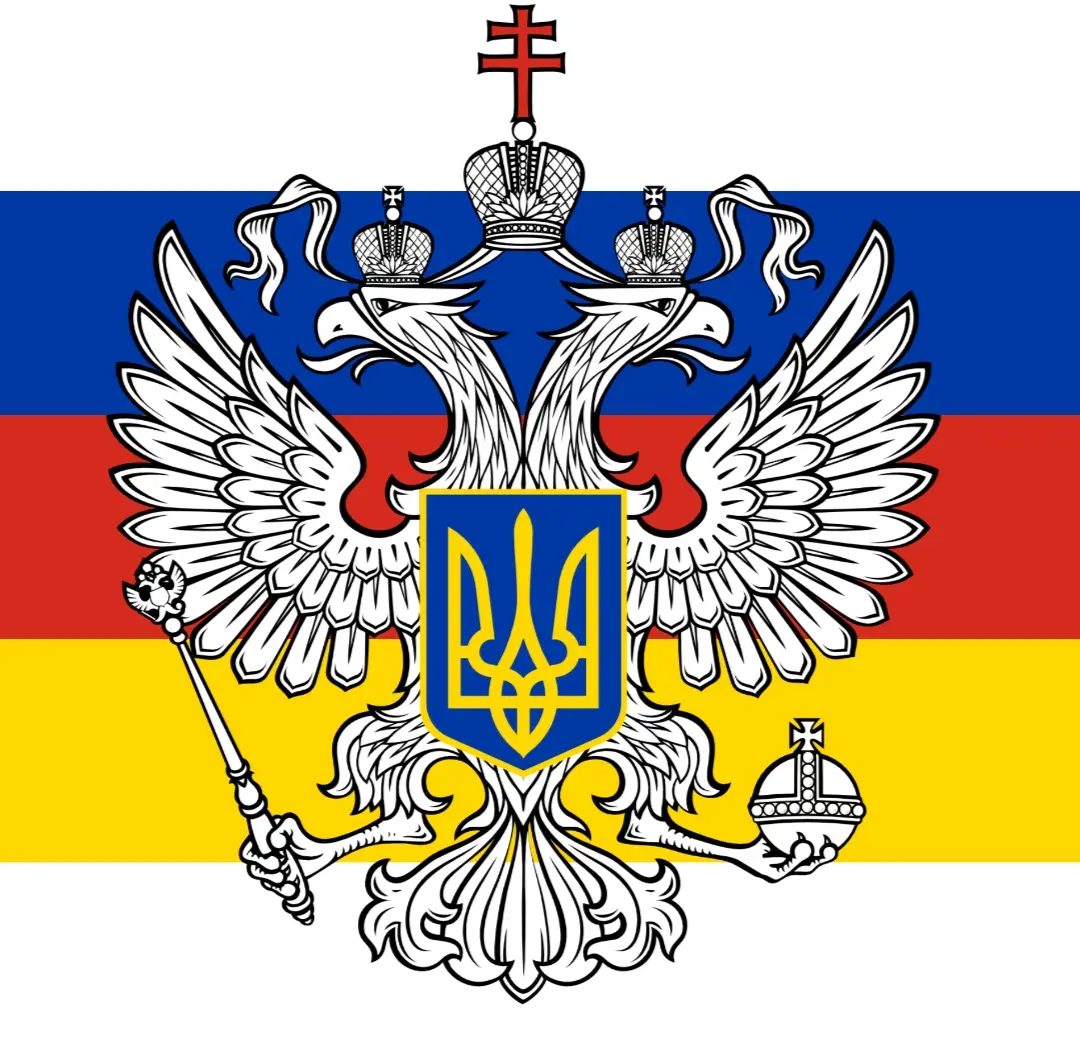
Orthodox/Catholic Christianity became the state religion of Kievan Rus in 988 AD under the supervision of Grand Prince Volodymyr. The purpose was to spread a monotheistic religion to integrate the tribes and consolidate worship under one God, which reduced friction and cultural differences.
From then on, Kievan Rus unfortunately could never enjoy a prolonged era of stability. Instead, the entire timeline of Russia's history is marked by large-scale invasions.
Here, the geography of Russia comes into play.
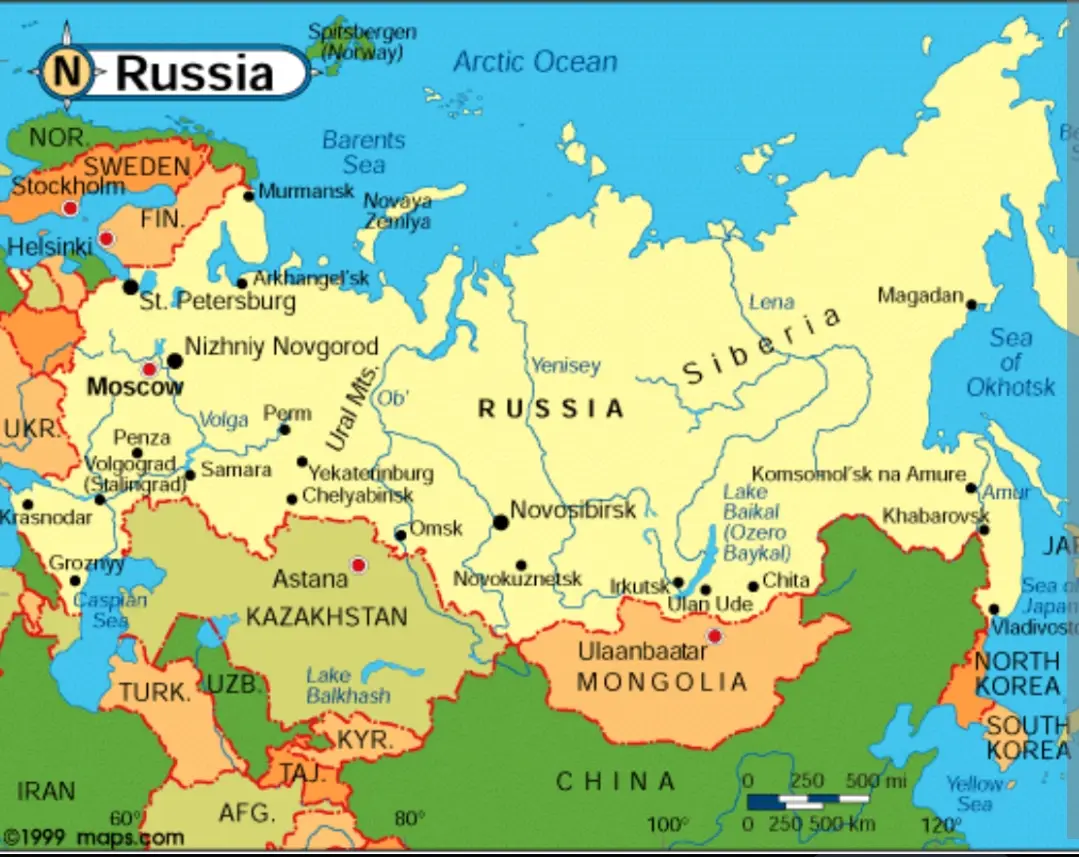
Russia's entire landmass can be divided into 4 major fragments:
1. East European Plains (Most fertile)
2. West Siberian Plains (Oil and gas rich)
3. Siberian Plateau (Harsh temperatures)
4. Far East (Borders China and North Korea, with a direct face-off with the USA)
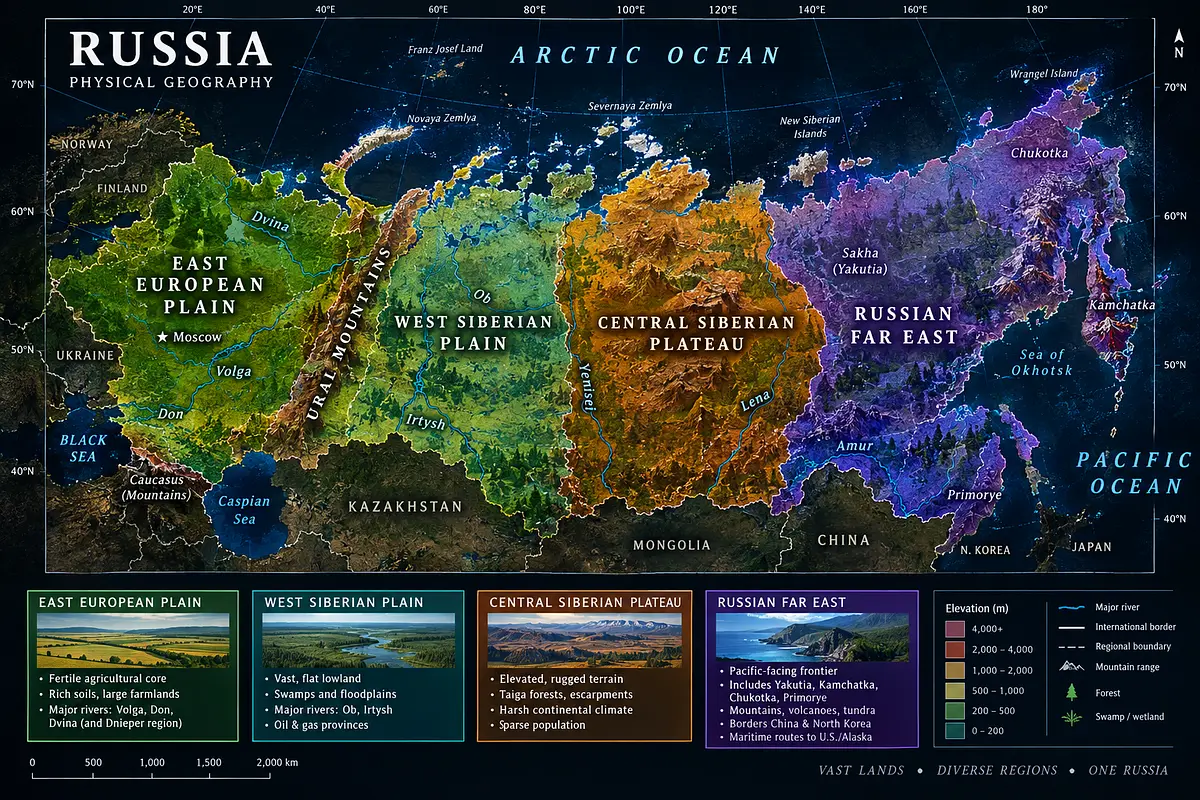
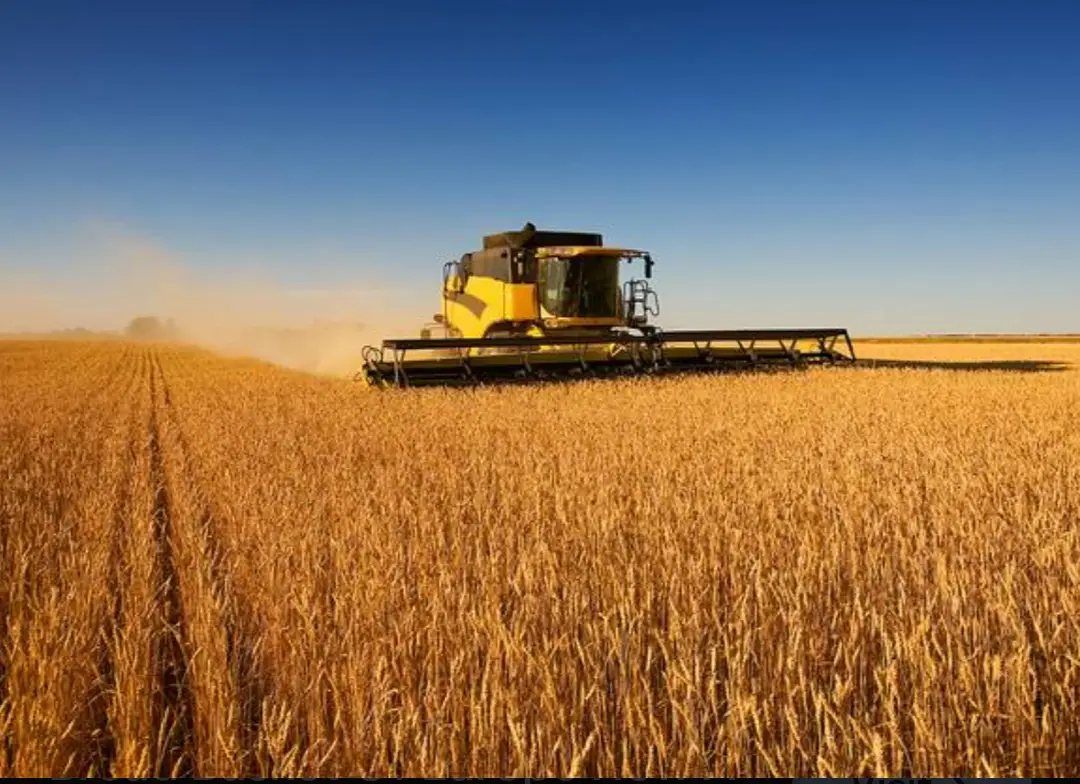
The East European Plains are marked by several rivers like the Volga and Dnieper, making it the most fertile region of Europe. The Southern European plains in the region of Ukraine are so fertile that they are often termed 'The Breadbasket of Europe' (formerly of the Soviet Union) because of their high agricultural productivity.
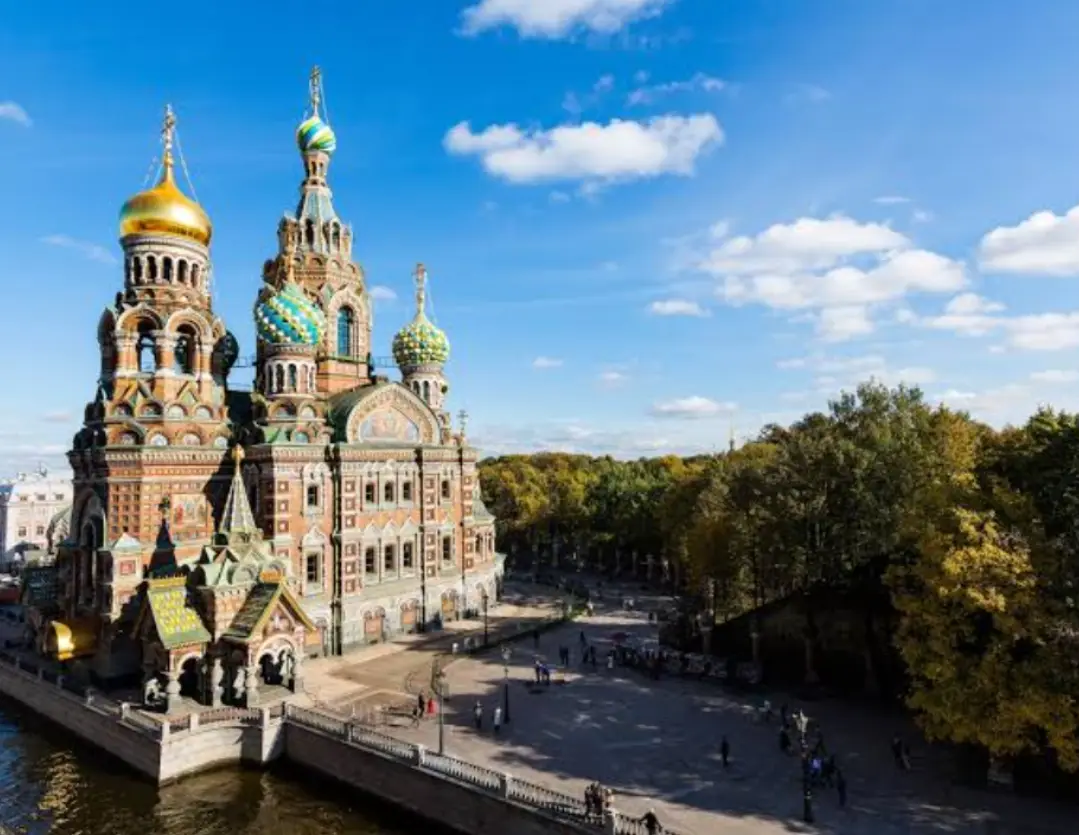
As history teaches us, rivers gave birth to civilizations—they are the places where ancient humans settled. 80% of Russia's population resides in these plains, which naturally house the power center of Russia. All major cities and industrial hubs of Russia, such as Moscow and St. Petersburg, are located in this region.
This geographical fragment stretches from Eastern Europe up to the Ural Mountain range, which acts as a divider between the European and Siberian plains.
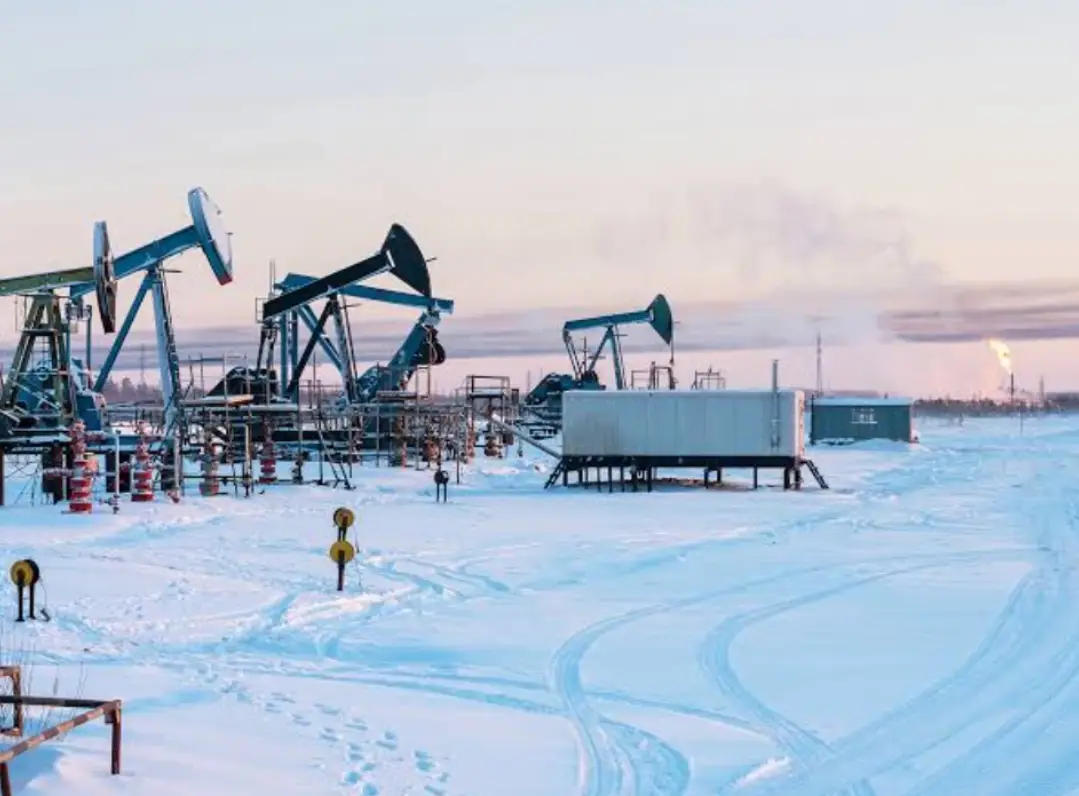
The West Siberian Plains are the most resource-rich region of Russia, accounting for roughly 60% to 70% of its oil and gas production. Despite being resource-rich, this fragment is largely uninhabitable due to harsh climates and sub-zero temperatures.
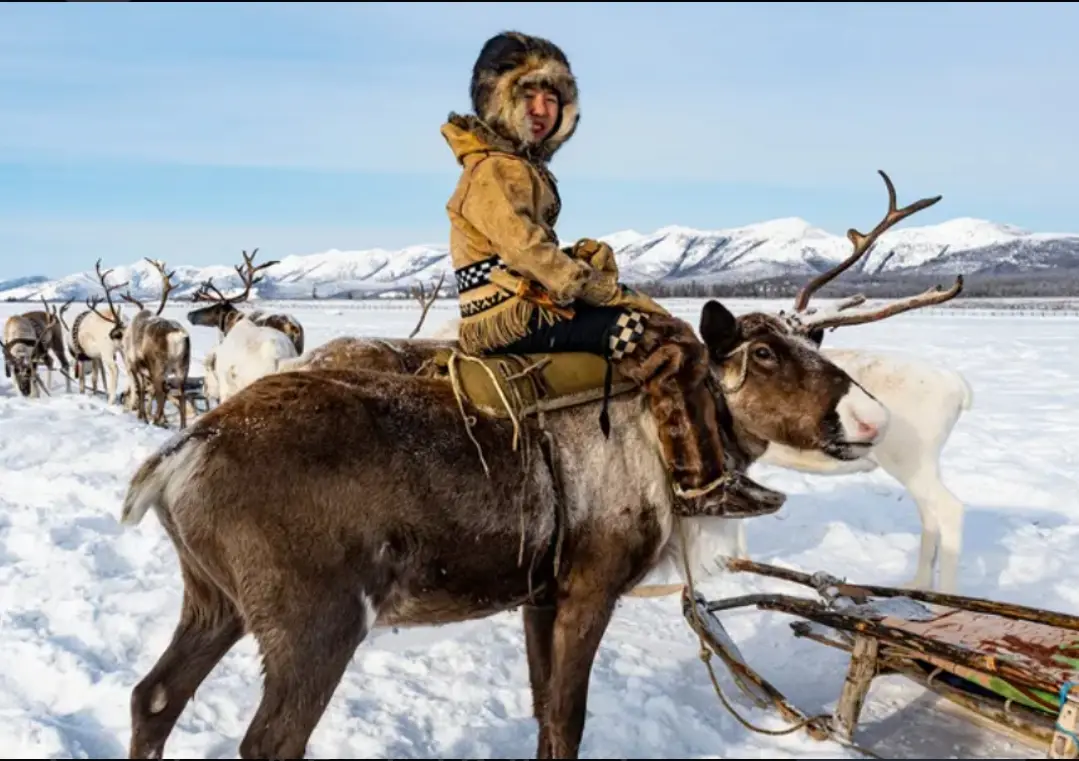
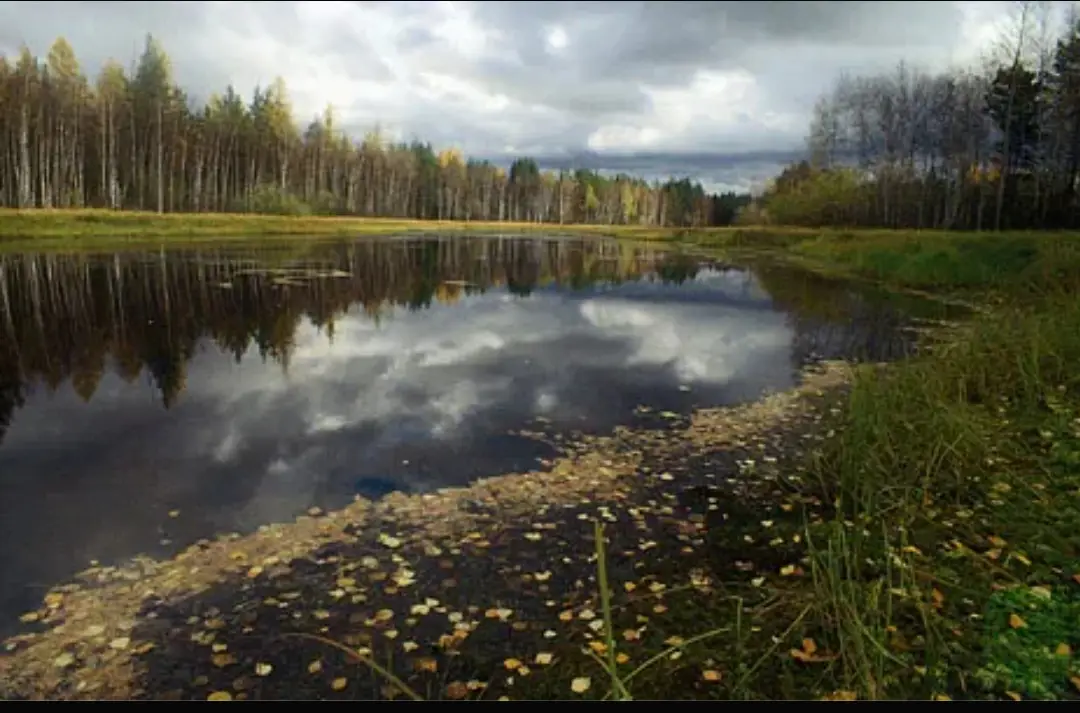
The other two fragments, the Siberian Plateau and the Far East, are scarcely populated due to their notorious climate and lack of resources compared to the West Siberian plains. They are largely covered with swathes of permafrost and swamps.
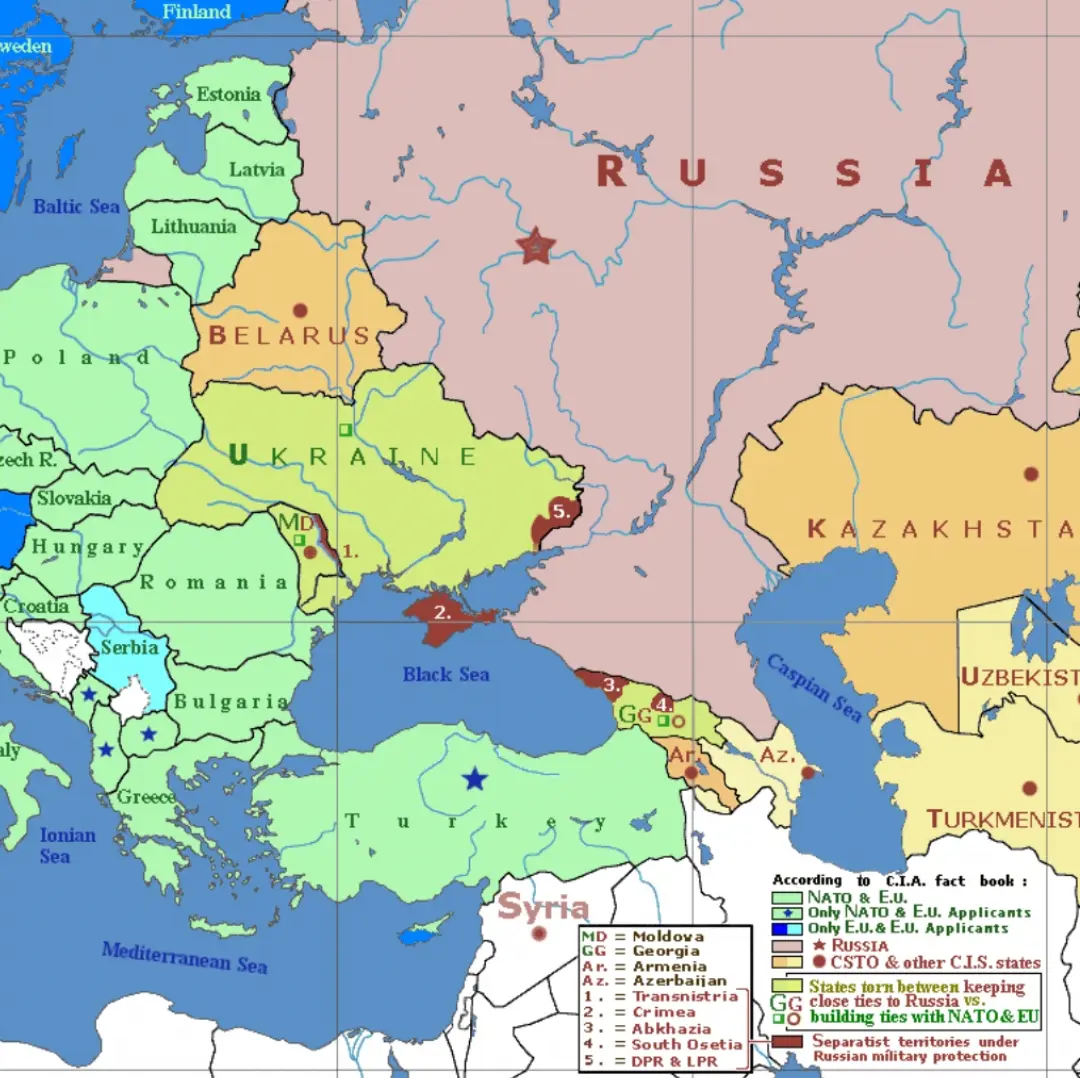
When we sum up all 4 fragments, we get the largest geographical territory on Earth. It stretches from Europe and the Black Sea in the West to China, North Korea, and the North Pacific in the East; and from the Arctic Ocean in the North to the Central Asian region in the South (bordering Azerbaijan, Mongolia, and Kazakhstan).
§2The Great European Plain & Russia's Defensive Strategy
In this episode, our theater of focus will be the East European Plains, where the present conflict has unfolded between Russia and Ukraine in alliance with NATO.
The East European Plains are an extension of a larger geographical division: 'The Great European Plains', which span across Germany, Poland, France, the Netherlands, Lithuania, Latvia, and Estonia alongside Russia. It roughly stretches from the Rhine River in Germany to the Volga in Russia.
The cause of 'The Great European-Russian Paranoia' lies in the shape of these plains. The Northern plains are shaped like a wedge or a pizza slice:
The wider segment falls around Russia.
It narrows down as it moves west toward Poland, Germany, and France.
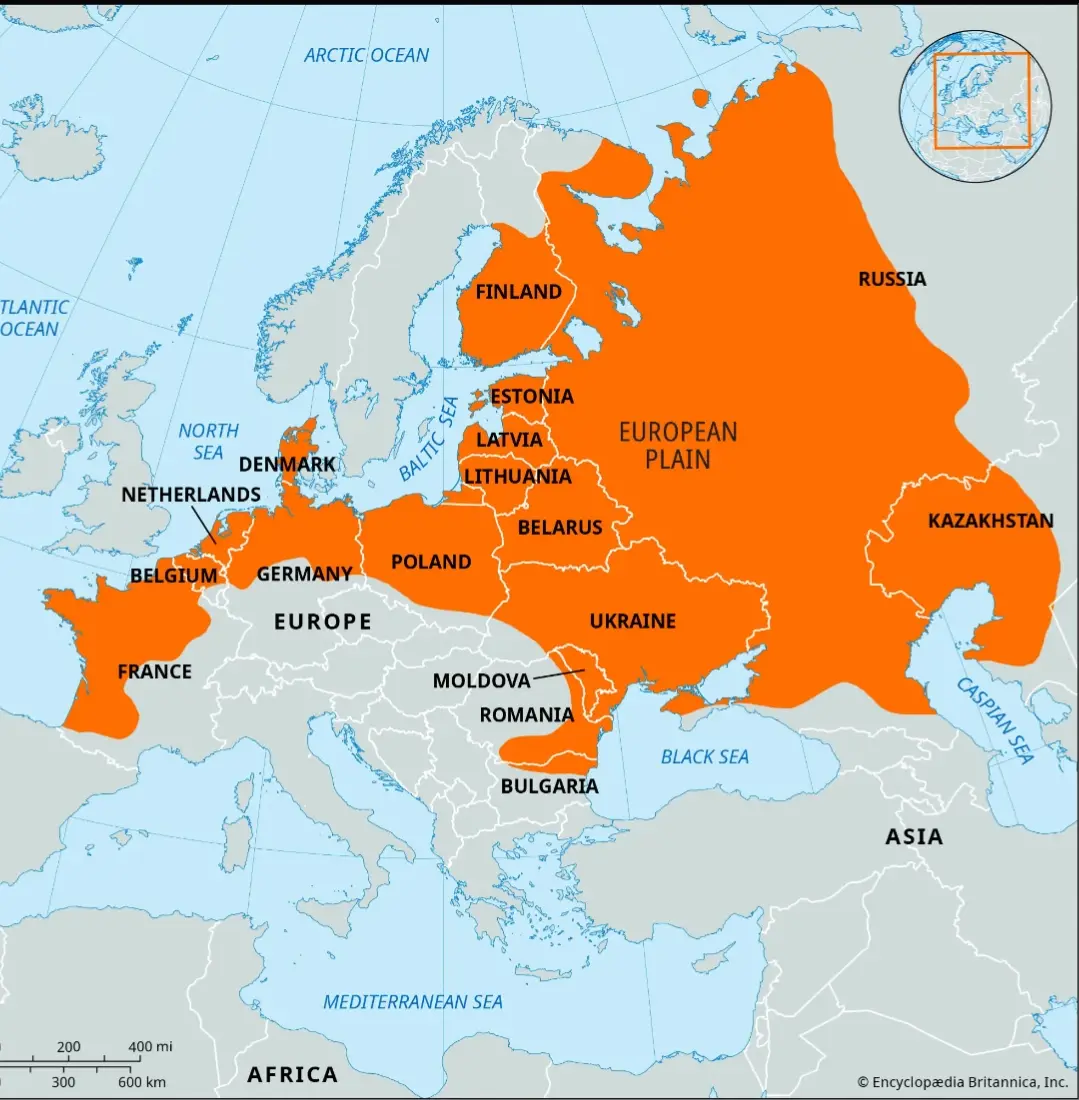
From the perspective of Europe, for any invader to reach the heart of Russia, they must enter through this funnel-shaped entrance. As the funnel widens, the invader's troops are forced to diverge, requiring a far greater number of troops and longer supply lines to cover the vast territory.
By the time enemy troops reach the heartland, Russia gains enough time to reinforce its troops or employ a 'scorched-earth policy'—destroying settlements and essential survival resources before retreating deeper into its territory. This leaves the enemy with no loot or resources to replenish their supply lines.
This tactic helped Russia withstand major historical invasions, though it still incurred massive damage through casualties and the loss of crops and property:
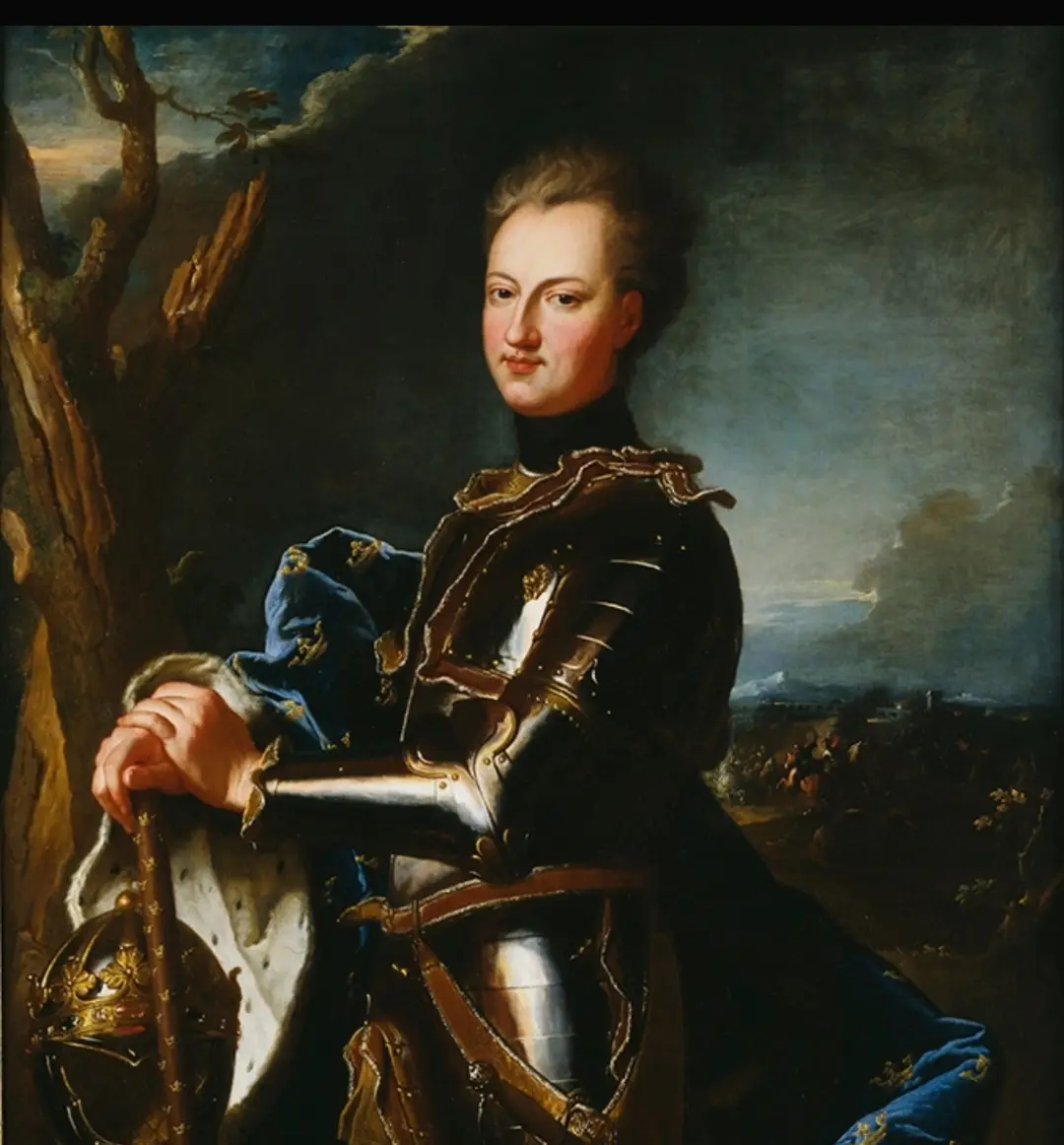
1. King Charles XII of Sweden invaded Russia in 1707 to dethrone Peter the Great. He faced severe consequences: depleted supply lines and the 'Russian Winter'—the notorious climatic force-multiplier that powers Russia's defensive strategy.
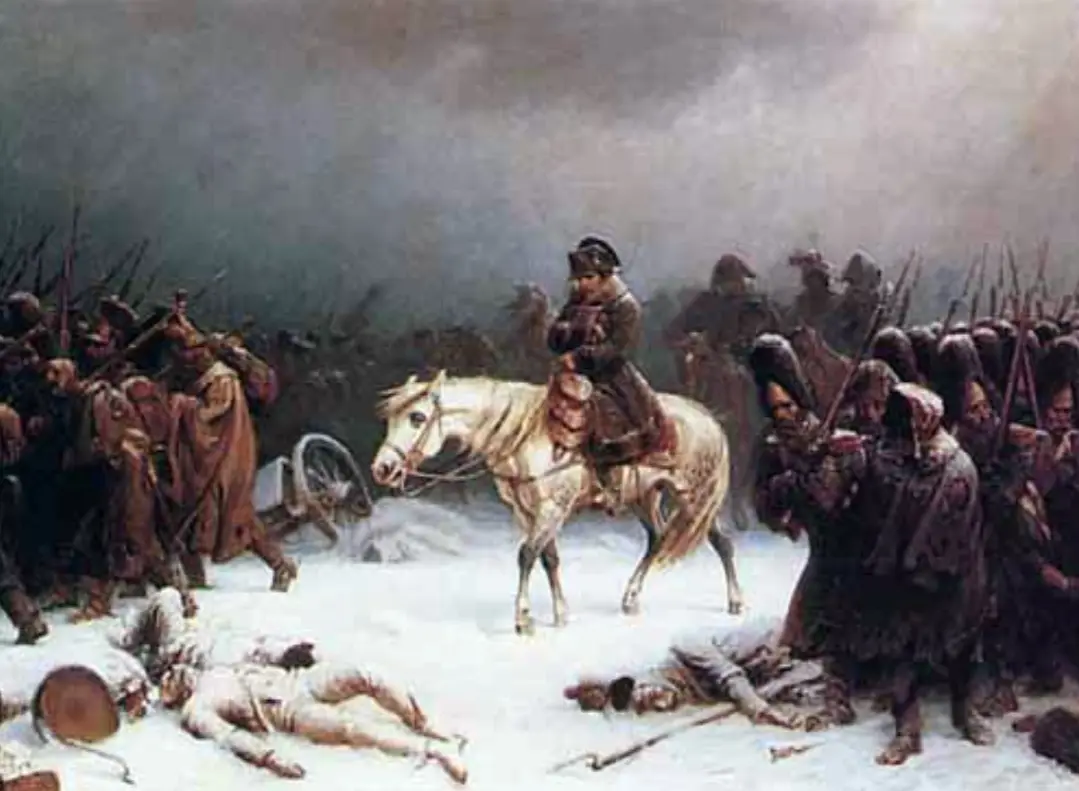
2. Napoleon invaded Russia with 600,000 men intending to achieve a quick victory. The result was a total disaster: the harsh Russian winter punished Napoleon's army ruthlessly. By the time Napoleon retreated to France, barely 100,000 survivors remained.
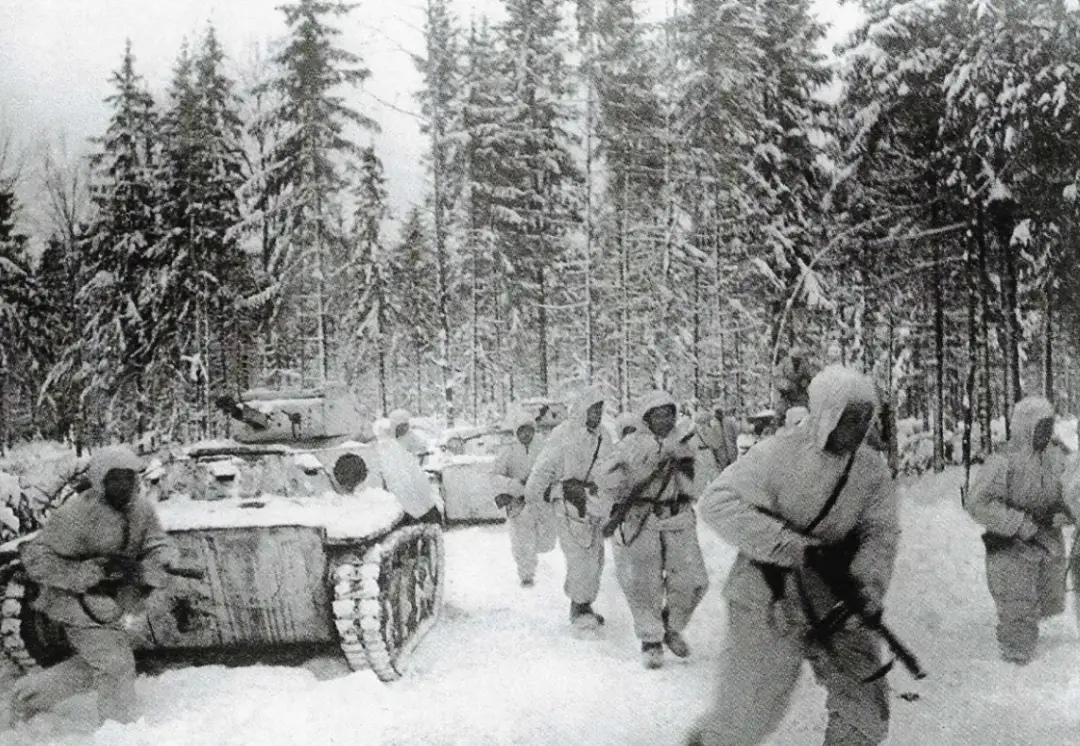
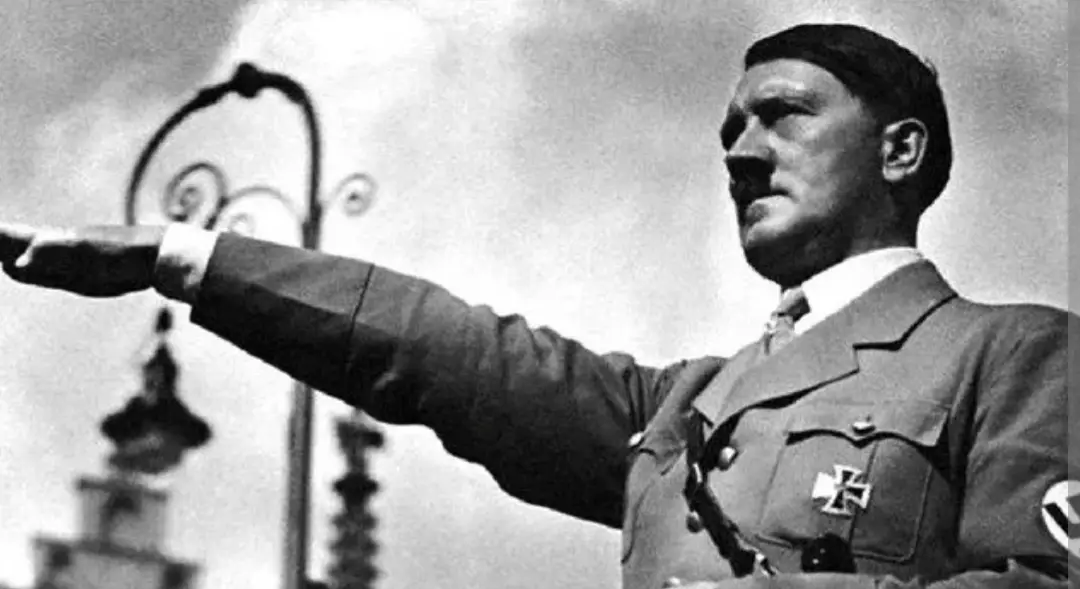
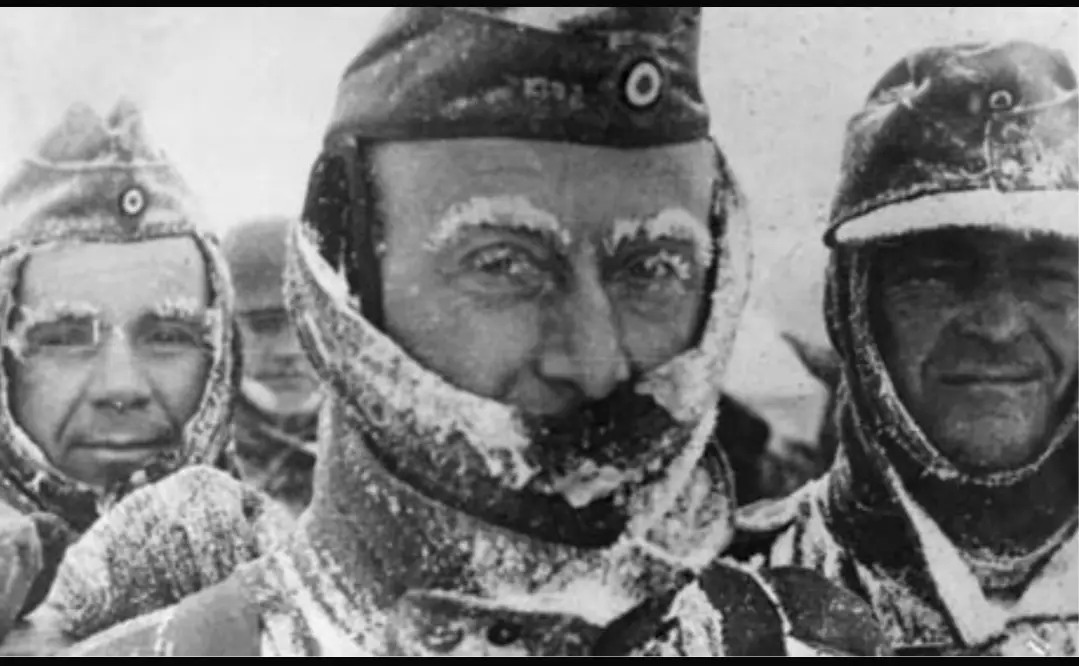
3. 'Operation Barbarossa'—the ultimate pivot of the Second World War that turned the tables in favor of the Allied forces. The Nazi regime under Hitler launched the largest land invasion in human history with a force of 3.8 million soldiers. Again, the 'funnel effect' worked in favor of the Russians. The invasion proved to be a blunder: supply lines were overstretched, brutal winters froze oil supplies and artillery, and deep mud restricted the movement of Panzer tanks. Ultimately, this led to a catastrophic defeat for the Axis powers.
§3The Need for Buffer States
These defensive successes were not pure blessings for Russia; rather, they were living examples of a 'Pyrrhic victory'—a victory won at a devastating cost.
Such regular invasions consistently crippled the Russian economy through mass casualties and the loss of essential assets like food grains, personal property, lands, and industries.
Historically, Kyiv was the capital of the East Slavic lands until the late 13th century, when a deadly Mongol invasion destroyed the city. Later, the capital was relocated to Moscow, deeper in the interior. At the time, Moscow was just a small principality that still faced constant threats of invasion.
In due course, the principality sought to establish 'buffer states' to prevent direct attacks on the power center of Moscow.
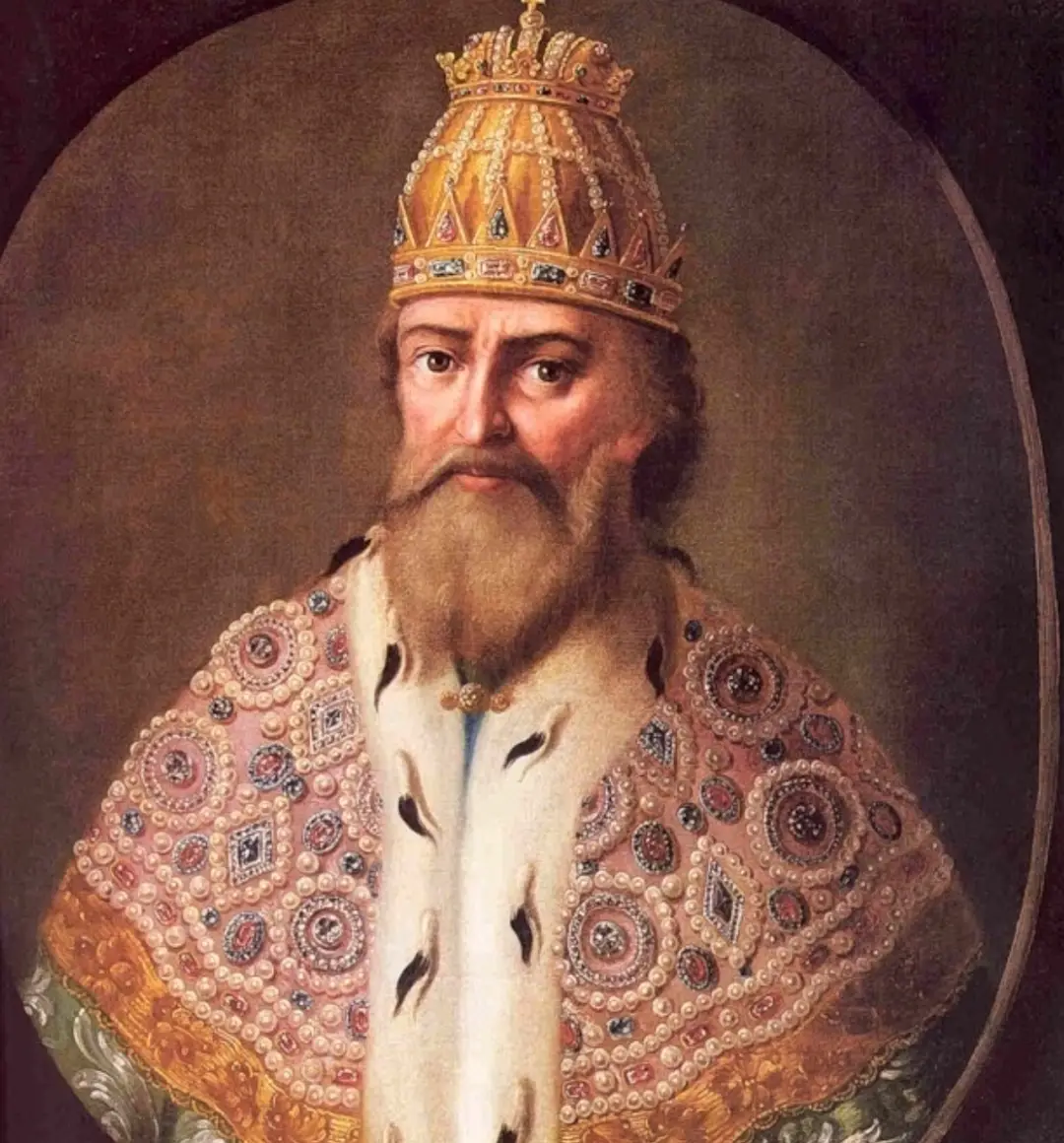
Under the leadership of Ivan III ('The Great'), Ivan IV ('The Terrible'), Peter the Great, and Catherine 'The Great', the Grand Duchy of Moscow expanded continuously toward the Baltic coastline, the Black Sea, and all the way to the Far East—ultimately forming the Russian Empire.
"Offense is the best defense" — Conquering these buffer states ensured Russia’s survival and protected its power center in Moscow.
To be continued