 The Iconoclastic Society
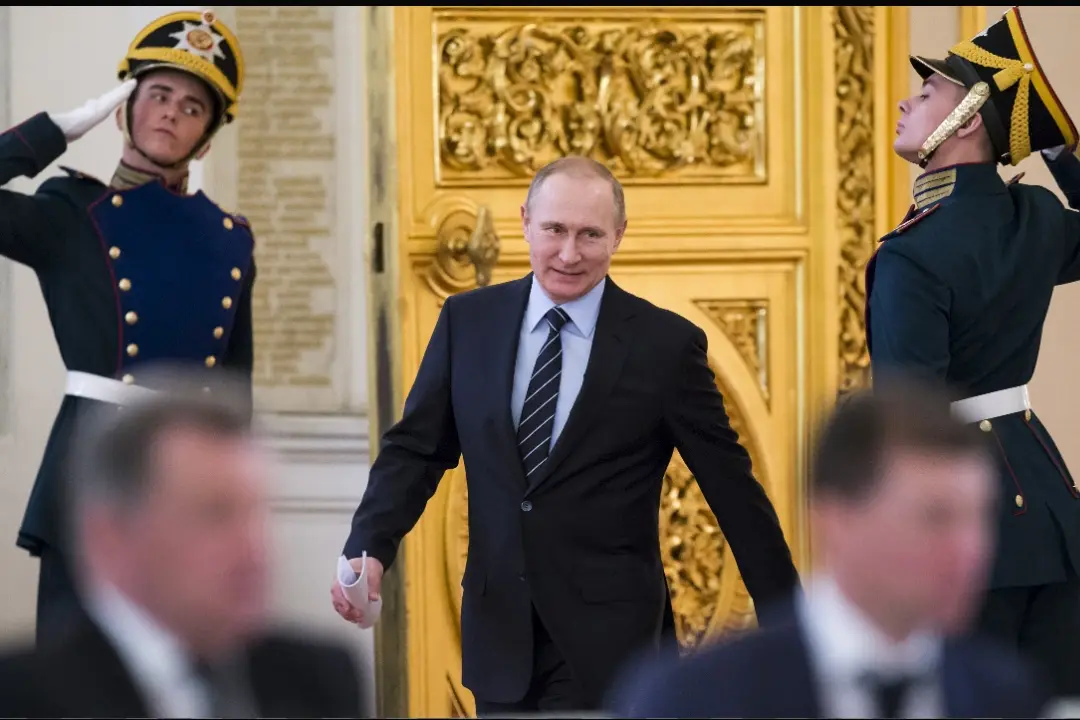
In the first episode we discussed about the Imperial history and evolution of Kyvian Russ and The Russian Empire alongside Geo-strategic location of Moscow which helped it to prevent major invasions…
Putin's war: why,what and how long?
Ukraine is considered as an integral part of Russian History. The Power center formerly located at Kyiv is considered to be the mother of Russian cities. For the first time the Slavic tribes united under a single umbrella and laid the foundation of Russia's cultural heritage.
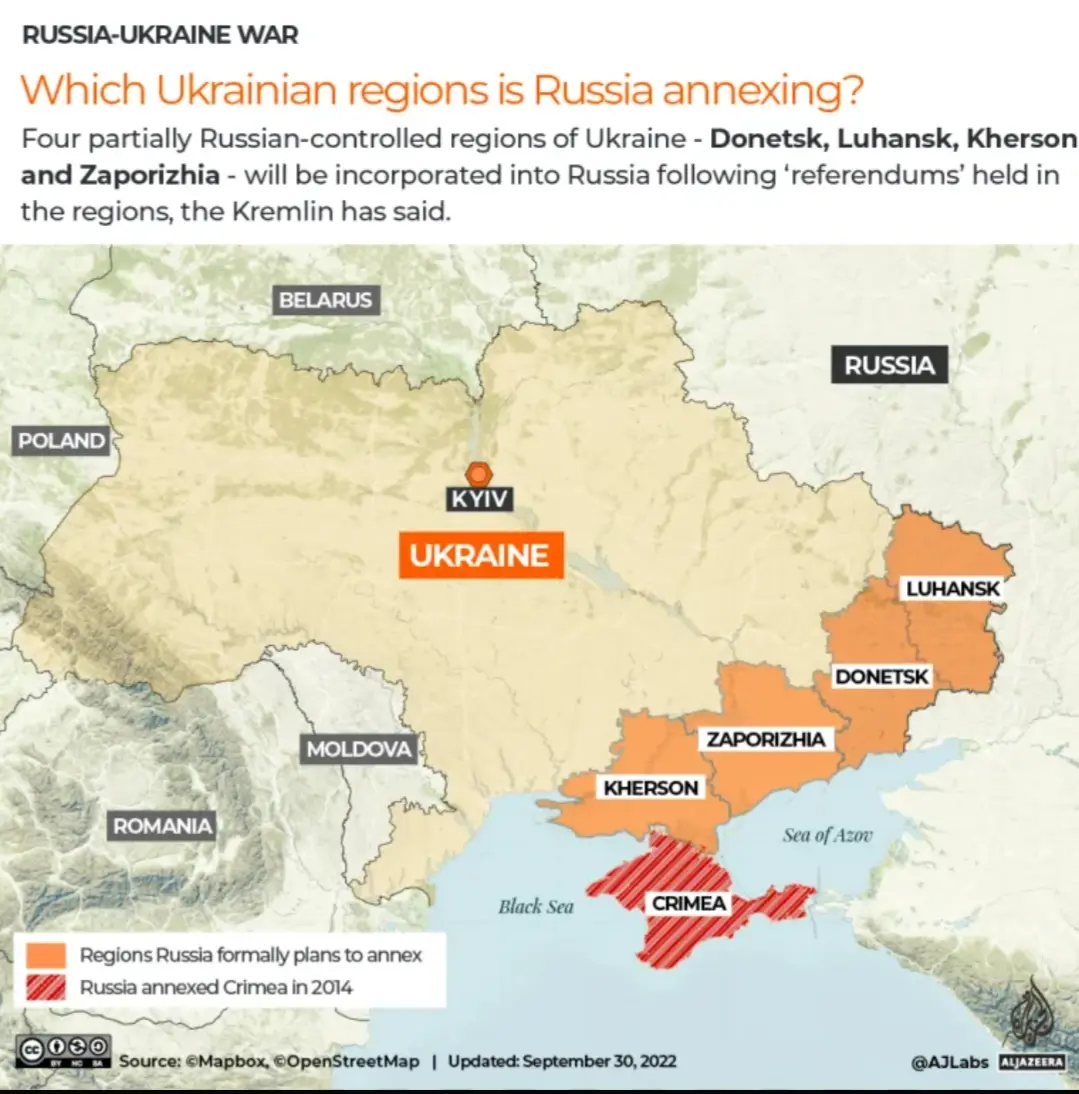
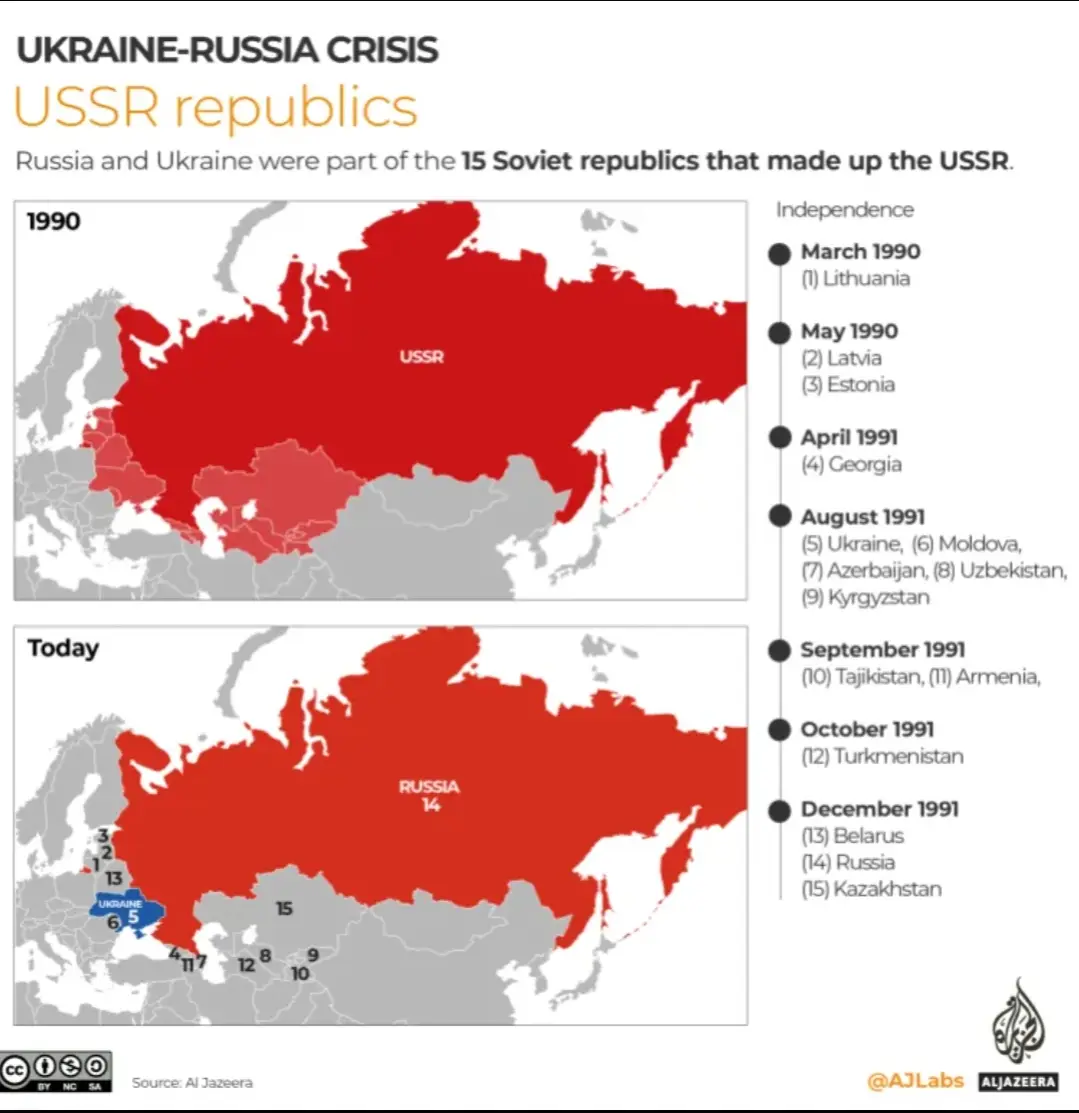
From the time of the First Tsar till the fall of the Soviet Union in 1991, Ukraine had been a part of Russia. Regions of Kharkiv, Luhansk, Donetsk, Kherson, Mykolaiv and Odessa in Ukraine are home to a large number of Russian speakers or the so-called 'Ethnic Russians'. The term is often used by Putin to justify its invasion of Russia. There remains a law where safeguarding Ethnic Russian population settled abroad is also the responsibility of the Russian State.
Moreover, Russia doesn't have any geographical boundary across Ukraine like that of Himalayas in India that had stopped foreign invasions. Ukraine is a large stretch of plain lands that can be easily crossed by neighbouring states stationed nearby. It will directly bypass the 'funnel' and reach Moscow in quick-time.
§1NATO's Eastward Expansion
Post-1991, the disintegration of the USSR gave birth to 15 Sovereign states; many of them bordering Russia. Despite assurances of maintaining buffer zones, NATO has been expanding East-wards engulfing more and more East European countries into the alliance.
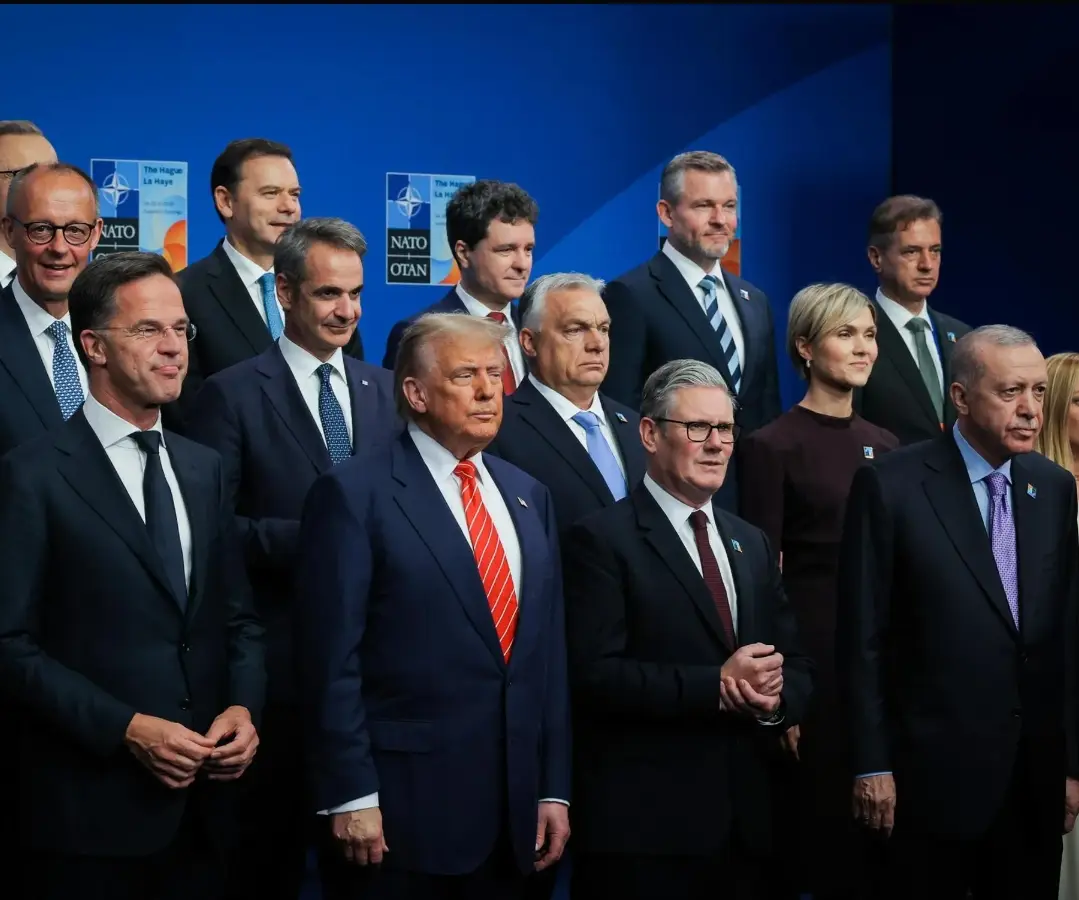
NATO - 'North Atlantic Treaty Organisation' was formed in 1949 to restrict communist influence in Western Europe. Post-9/11, Article 5 of NATO charter was devised that stated "an attack on any member was an attack on every other member in the alliance".
It allows a NATO member to install foreign defense systems from the USA and other counter-parts on its soil.
If Ukraine becomes a part of NATO
USA can build/launch pads of ballistic weapons on Ukrainian soil.
Now you must be confused, right?
Despite multiple countries on the Russian border being part of NATO, Russia didn't take any military action against them.
Then why Ukraine?
Let's discuss each sector by zooming in a bit.
§2THE BALTIC SECTOR
① Estonia ② Latvia ③ Lithuania
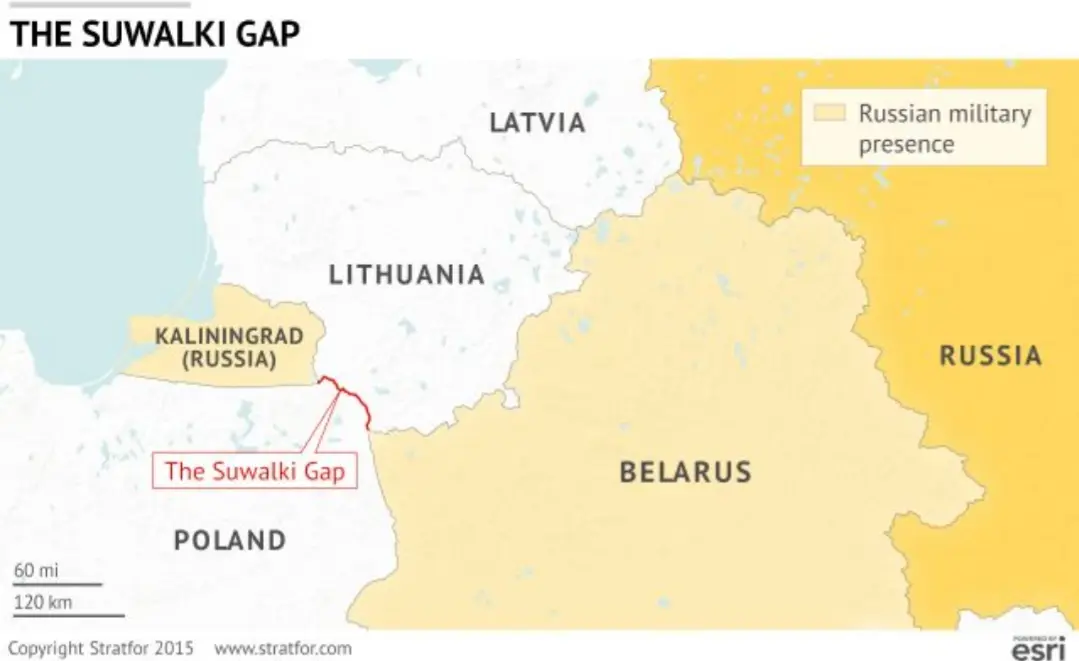
These 3 countries are geographically isolated from the rest of Europe. They are referred to as 'Baltic states' because of their geographical access to the Baltic Sea, an important water body that has hassle-free access to the North Atlantic ocean. The Baltic countries when they got NATO membership, it wasn't that big of a worry for Moscow.
Why? Because it is geographically encircled by Russian allies Belarus and the Russian military enclave of Kaliningrad. The Baltic sector is connected to the nearest NATO ally Poland with a thin strip of land called the 'Suwalki Gap'. Any attempt of NATO aggression towards Russia via the Baltic sector can easily be tackled by cutting off / choking the Suwalki Gap.
This strip of land is under surveillance done by Belarusians and Russians.
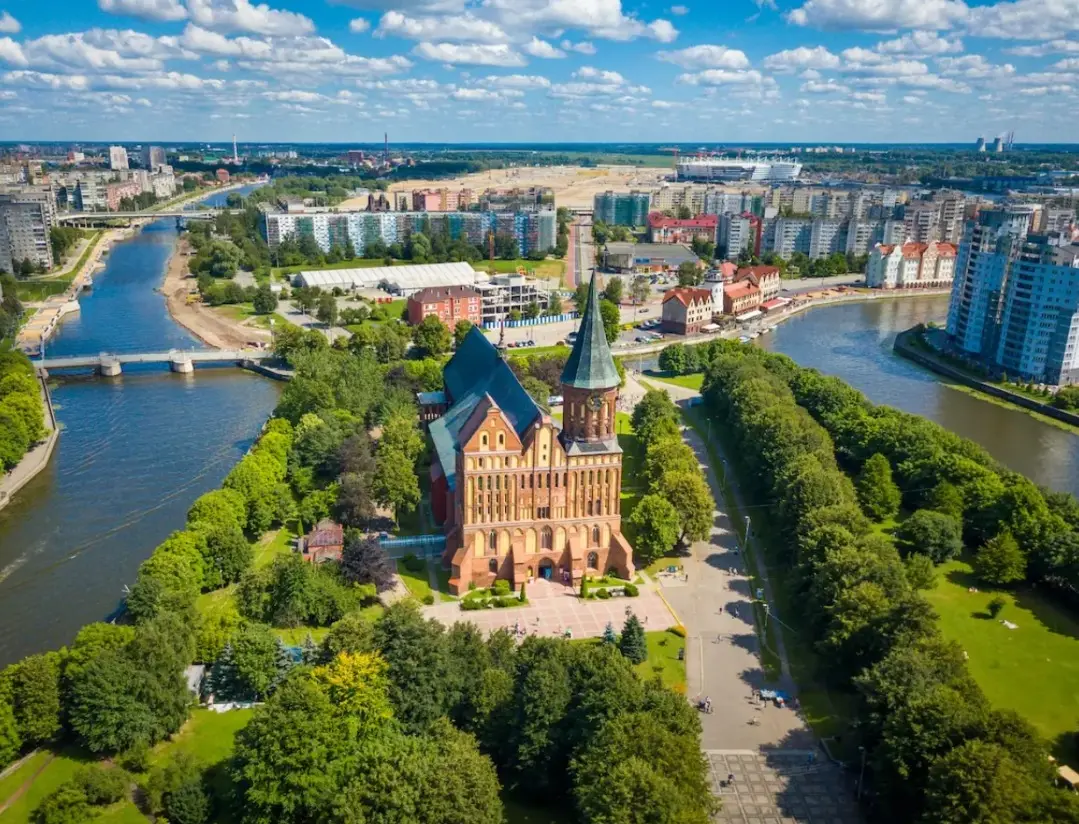
Motion depiction of Kaliningrad Military Enclave ☝️
So think to yourself, will you get the urge to invade the Baltic sector as a Russian president when you already know the war can be won if there is a future aggression?
Moreover, you would never like to tarnish your image of fighting for self-defence by invading the Baltic sector first and not letting NATO to make the first move.
§3NORDIC SECTOR
- Finland
- Norway
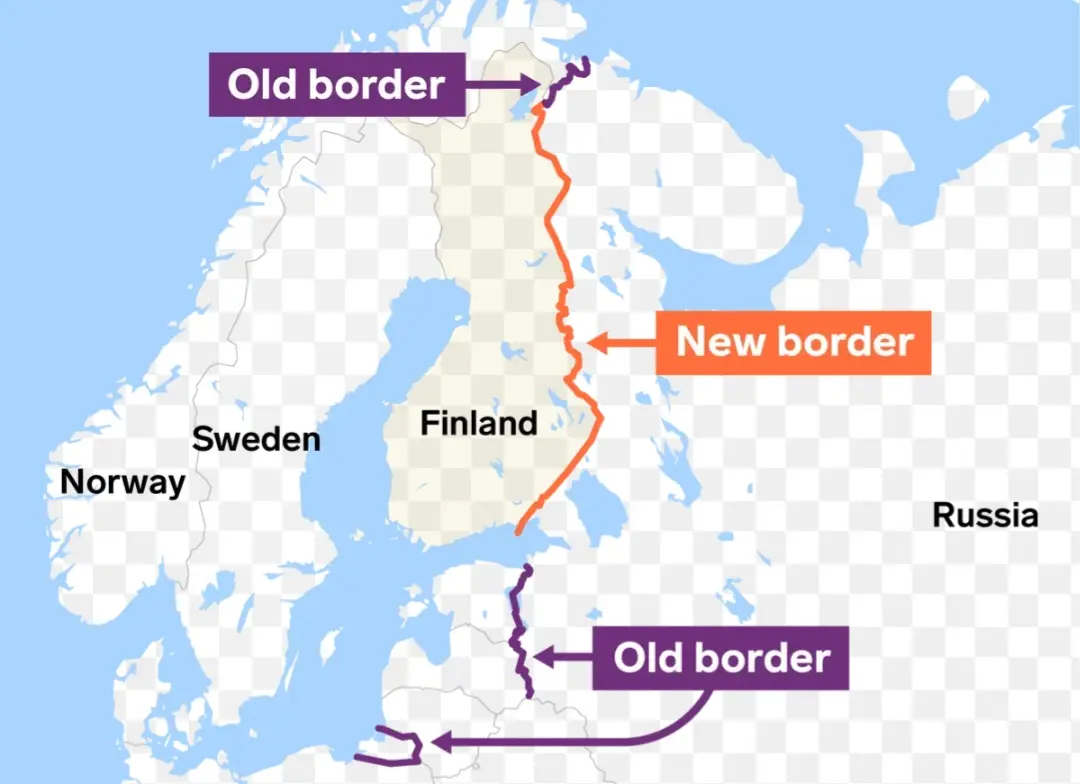
Two countries from the Nordic sector share borders with Russia: Norway and Finland. Let's dissect the reason for them not being posed as an immediate danger by Moscow.
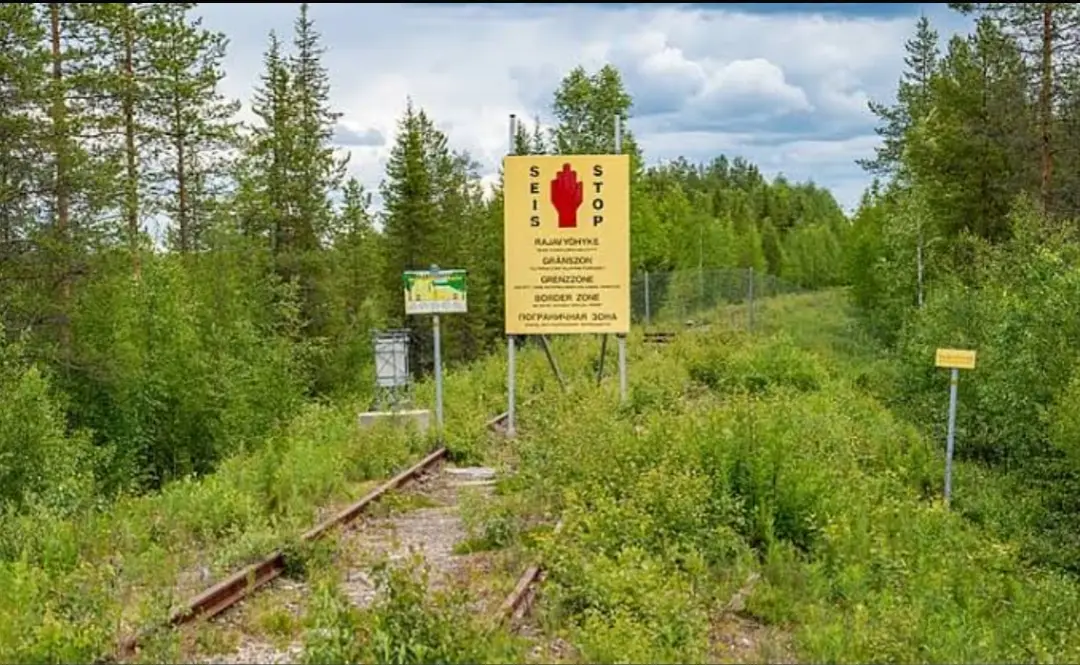
Finland's long border with Russia is marked with extremely harsh terrain. The border is filled with large swathes of Taiga vegetation. Dense forests consisting of Birch and Pine trees.
This is coupled with a large number of swamps and marshlands through which any vehicular movement is next to impossible.
In winters, the temperature falls to sub-zero temperature.
The Norwegian border shared with Russia has a very tiny size (about 198km). Being located in the Arctic region, large swathes of land remain under permafrost and can't be traversed.
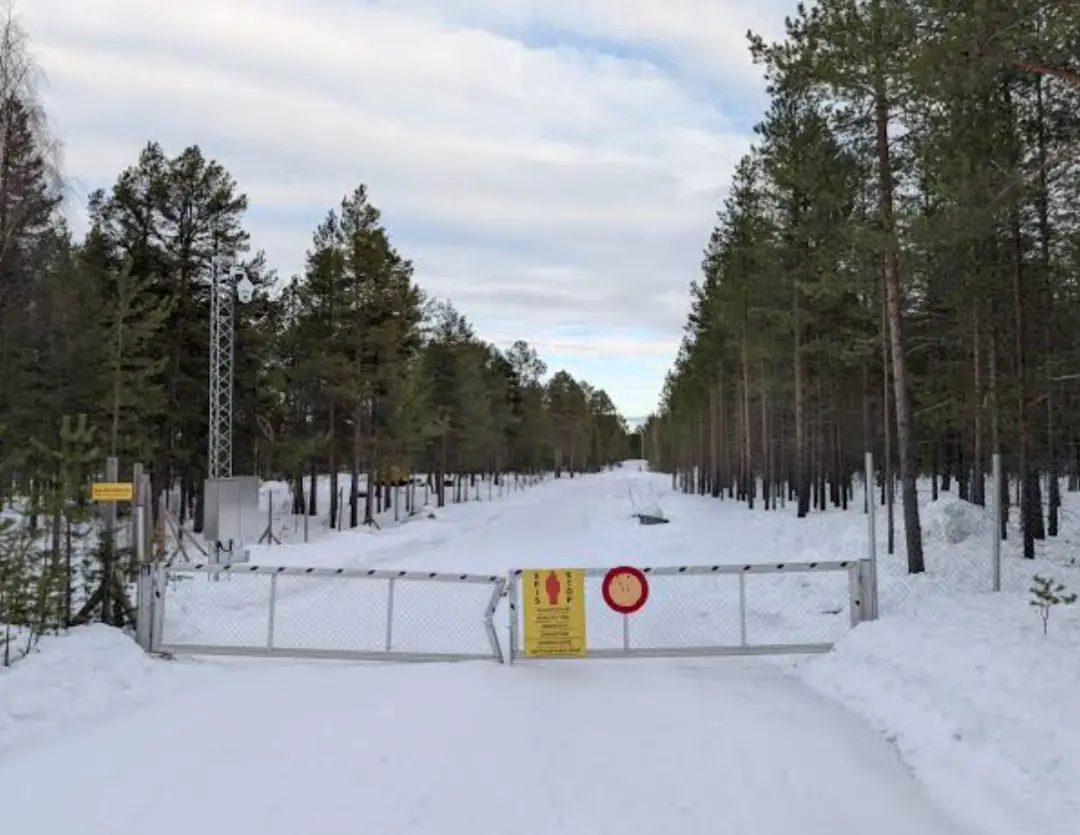
In addition, Finland has a long history of upholding neutrality though it became a NATO member in 2023 after the Russian invasion of Ukraine.
Lastly, the Poland sector, a NATO member, doesn't share a direct border with Russia. Moreover the Russian Military Enclave of Kaliningrad and Belarus which function as strategic buffer zones. They will provide a cushion or you can say a defensive blockade kind of a thing to absorb the intensity of a direct attack.
Moreover will give Russia more time to re-arm and re-strategize for a counter attack.
§4UKRAINE'S X-FACTORS
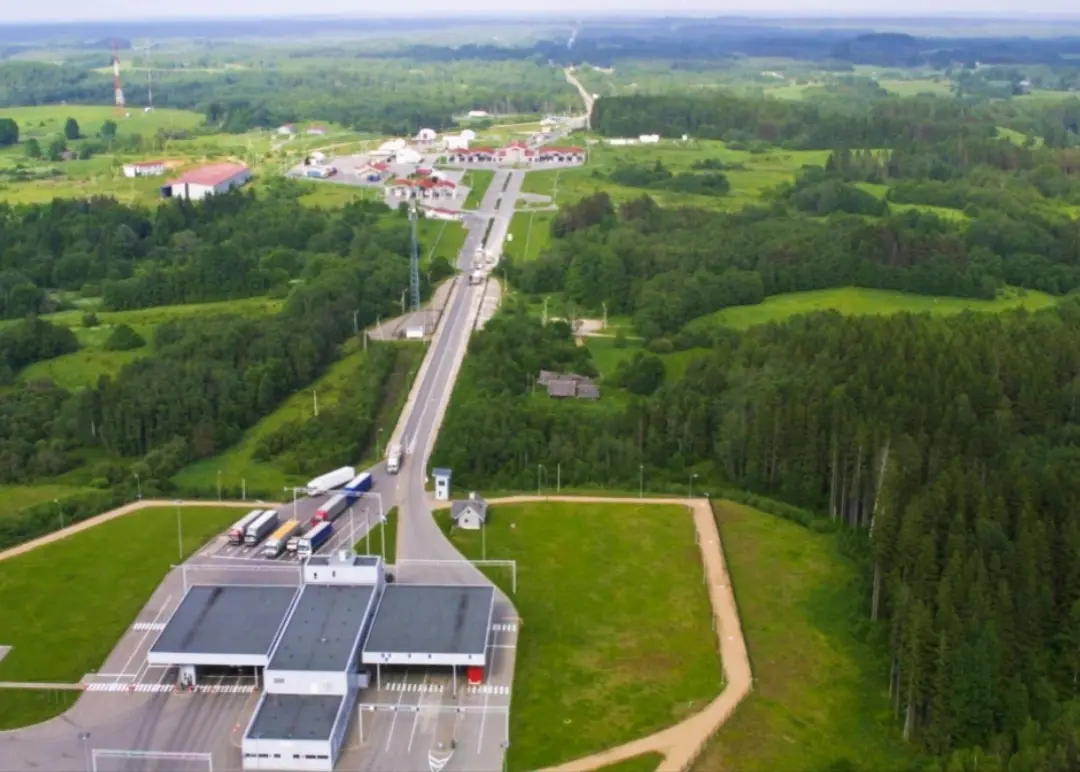
Now comes Ukraine. It shares a direct border with Russia. No geographical feature like mountain ranges or dense forests to become a natural boundary. Large swathes of fertile plains extend all the way from Germany till the Ural mountains in Russia. A funnel shaped structure but it will be comparatively easier for an army stationed in Kyiv to launch a direct ground attack or a ballistic launchpad to strike Moscow directly via air.
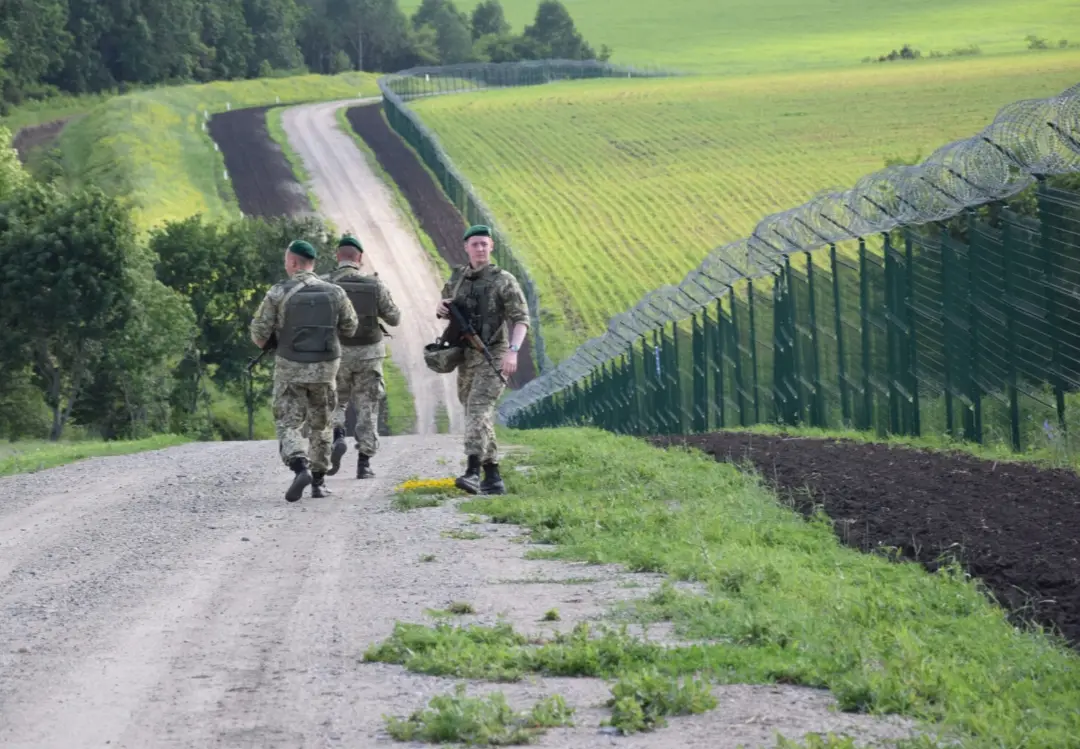
1) Flight times for missiles will reduce exponentially and Russia will lose a major Buffer state.
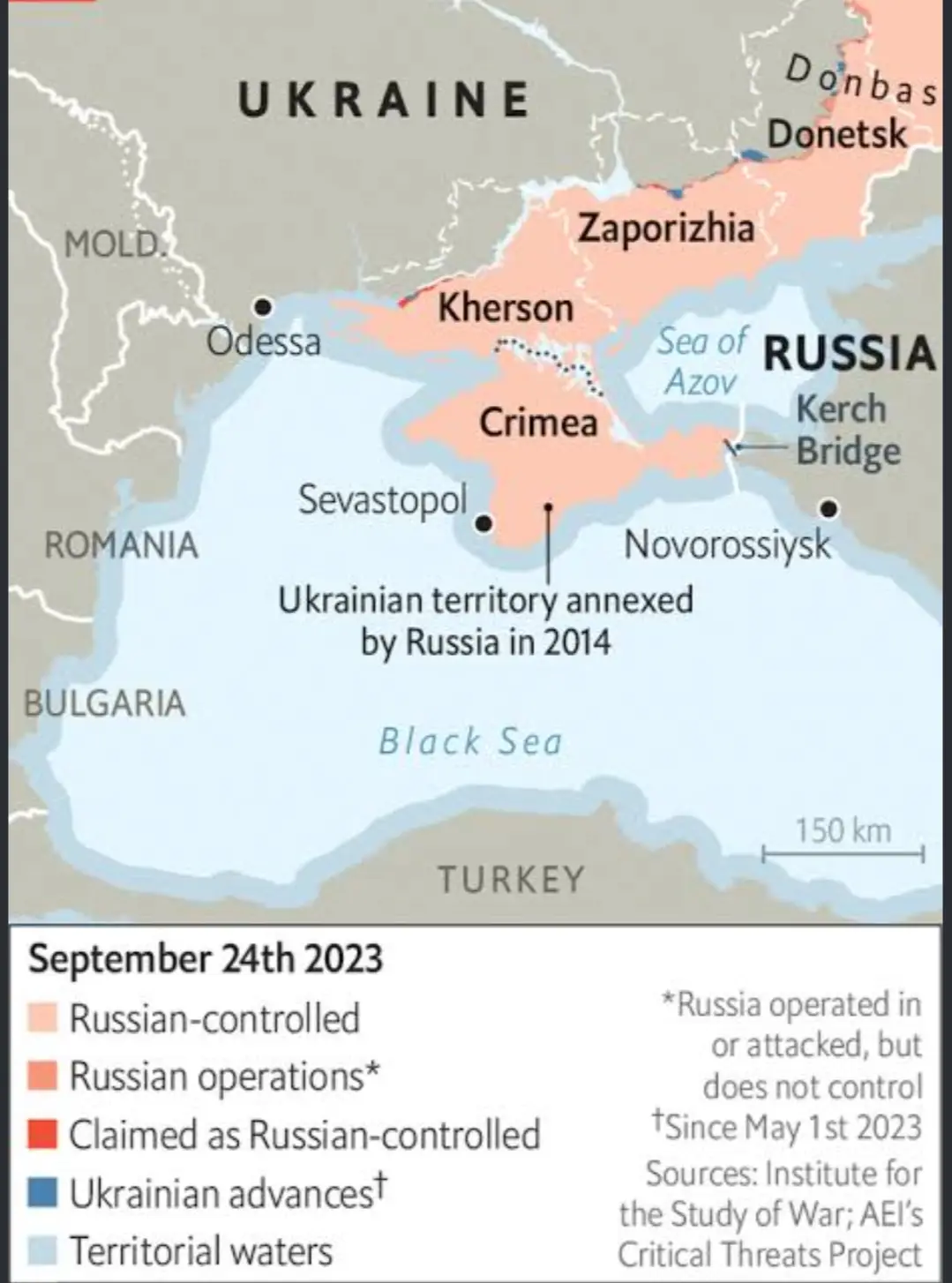
2) Another Critical geographical caveat is the 'Black Sea'… Major trade routes, warm water ports and shipping lanes of food grains/other essentials pass through the Black sea...
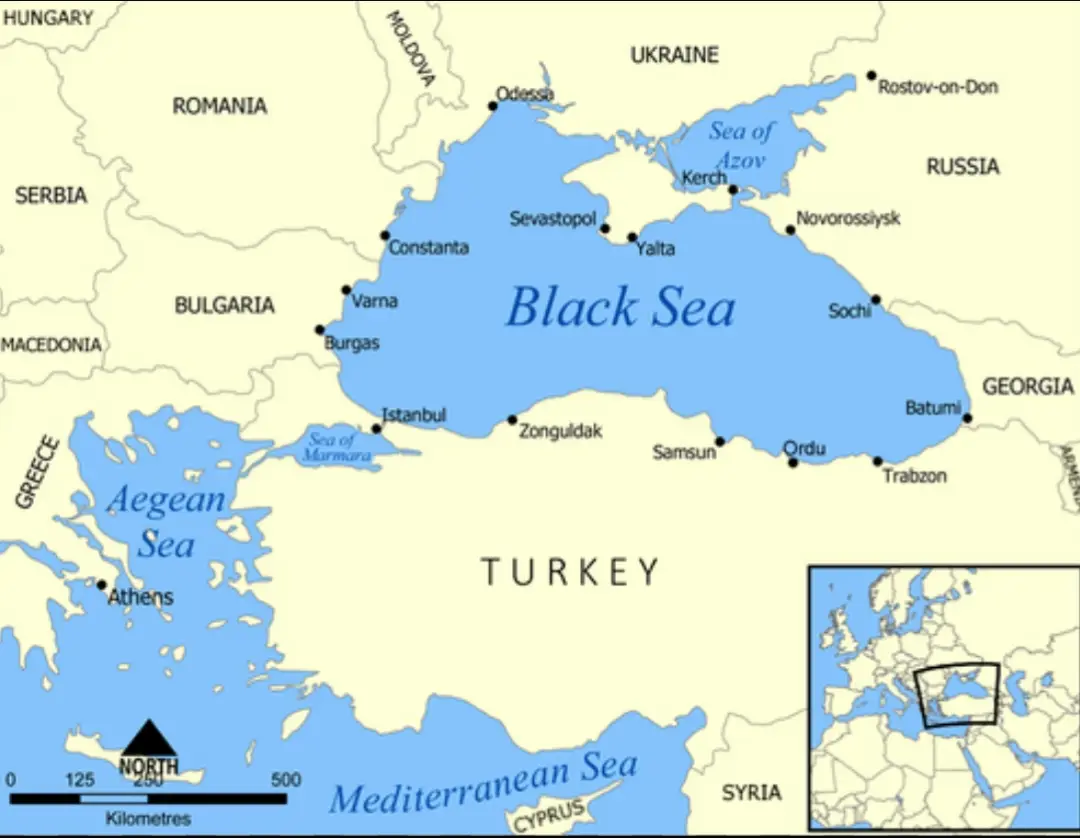
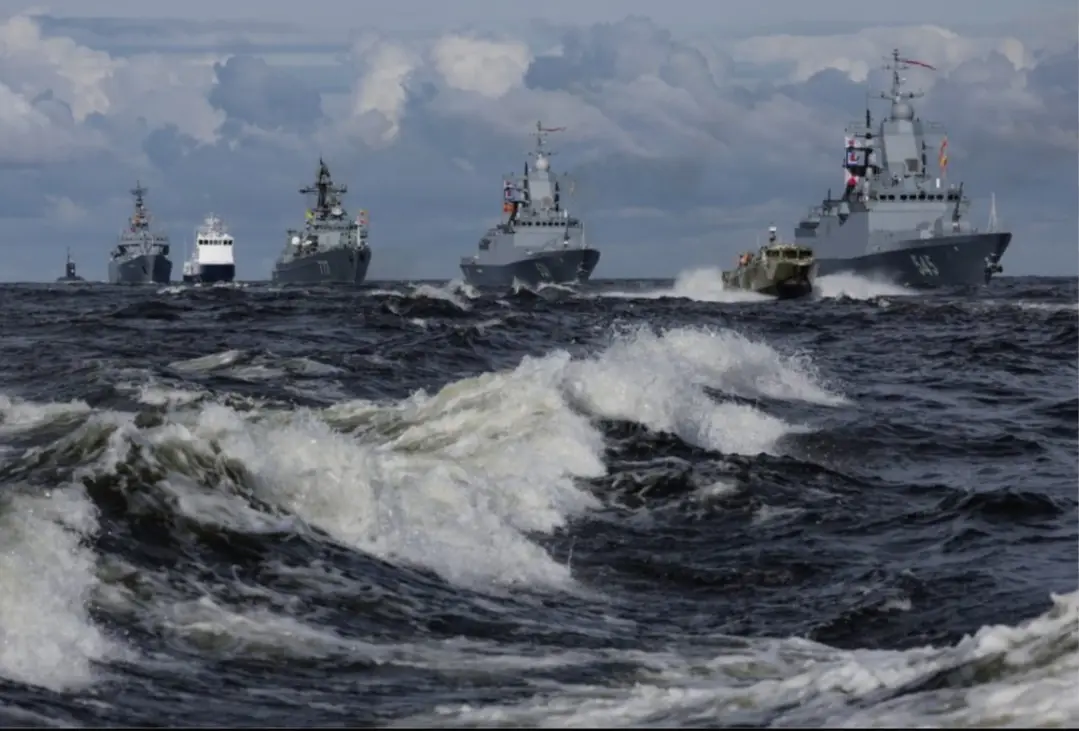
If Ukraine becomes a NATO member, then the Black Sea will have chances of turning into 'The NATO lake' — US and other European countries can build naval stations and dockyards for warships. NATO will easily be able to cut off Russia from maritime trade undertaken with the countries across the Mediterranean and the Red Sea.
An ultimate naval blockade by NATO forces can easily prevent basic essentials from reaching Russia.
In 2014, when the Pro-Russian President of Ukraine, Yanukovich was sacked as the Euromaidan protests pushed for NATO membership. Russia invaded Crimean peninsula ( a former Ukrainian territory) and took control of Sevastopol naval base to be used as a warm water port.
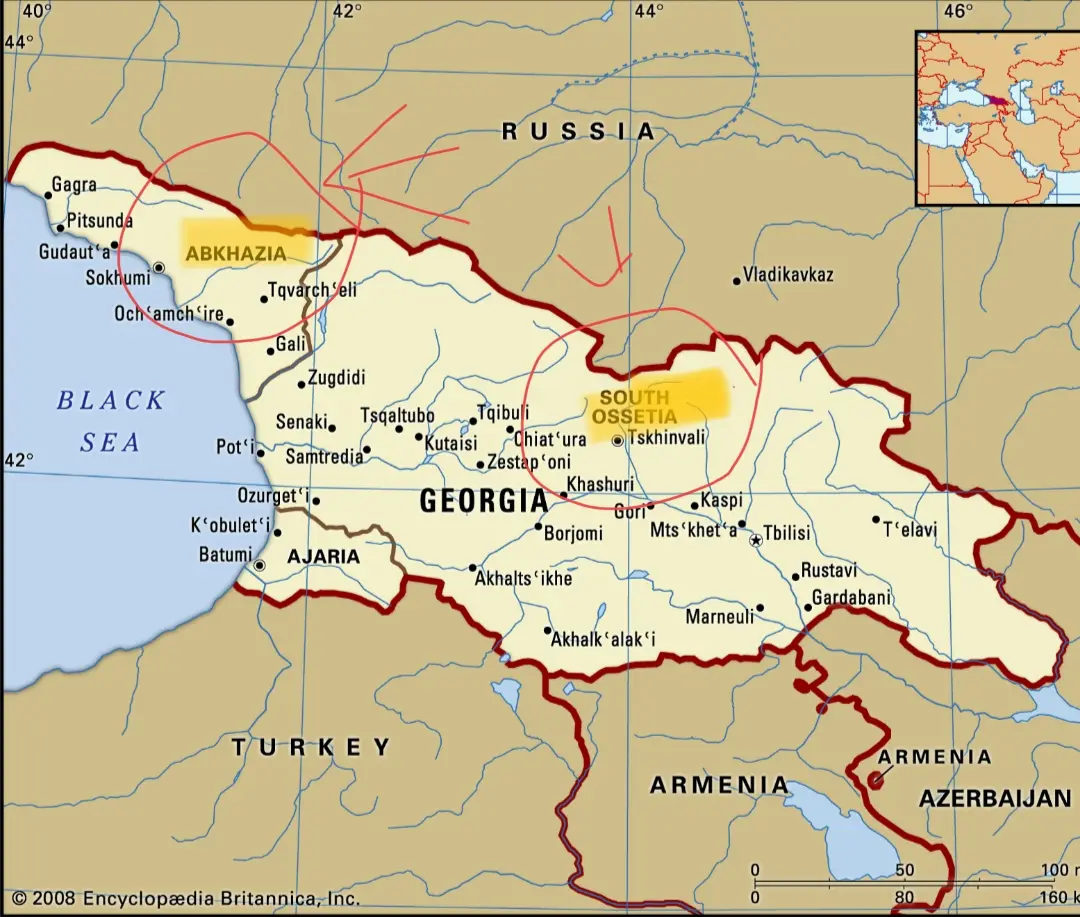
Oh! How can we forget about Georgia?
In 2008, there were high predictions of Georgia seeking NATO membership. Russia invaded Georgia and took control of Abkhazia and Ossetia region.
So yeah we can say the Paranoia is real.
Russia can't afford NATO sitting at its doorstep, arming Ukraine with high-grade missile systems and FPV drone armies.
In the next episode, we will discuss Russia's Economic Entanglement with Europe via oil and gas as well as regional politics.
Use Atlas and the Google Earth app in sync with facts gathered from official sources like the Kremlin website as well as the Ukraine’s official government portal for more deep-dive research…