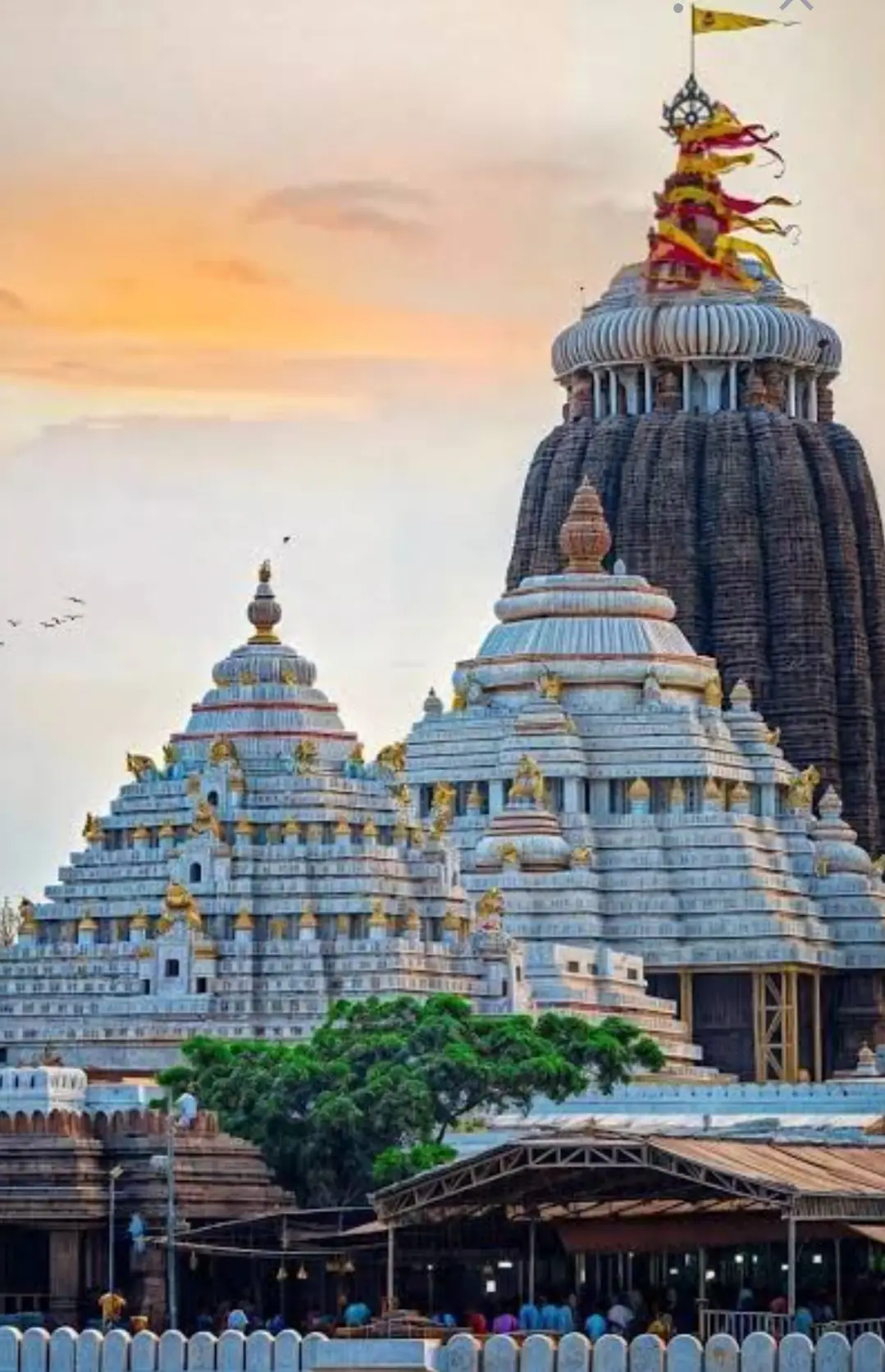
 The Iconoclastic Society
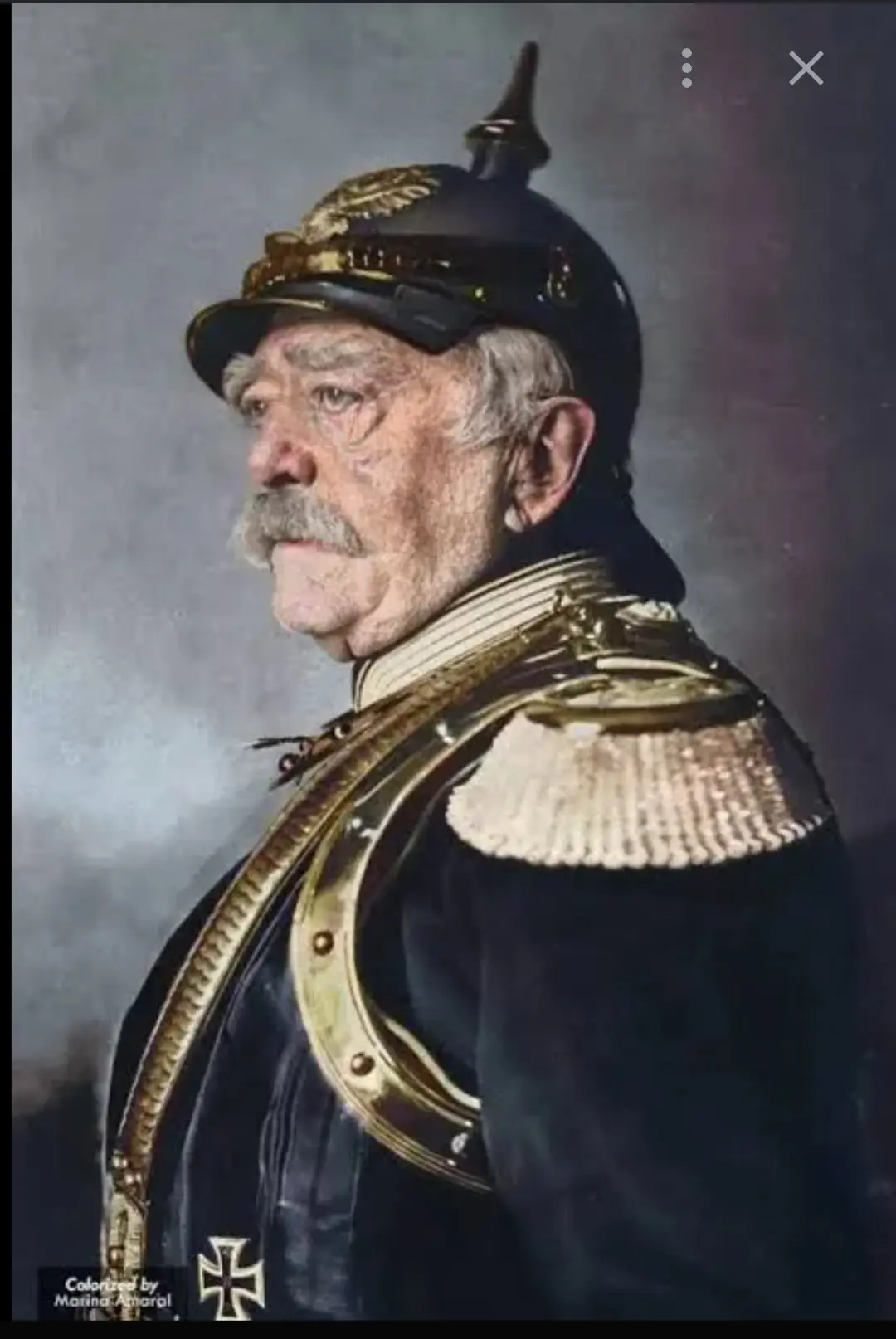
Do you remember Otto Von Bismarck ..yes the one about whom you read in your 10 th standard.He unified entire Europe under the flag of Prussia through Blood and Iron policy,annexing,suppressing and economic integration…but India has a different story
Now You will read about Odisha’s Otto von Bismarck Ananga Bhima Deva,his measures were unique.. ..through peace and spreading cultural values
Enjoy the read-
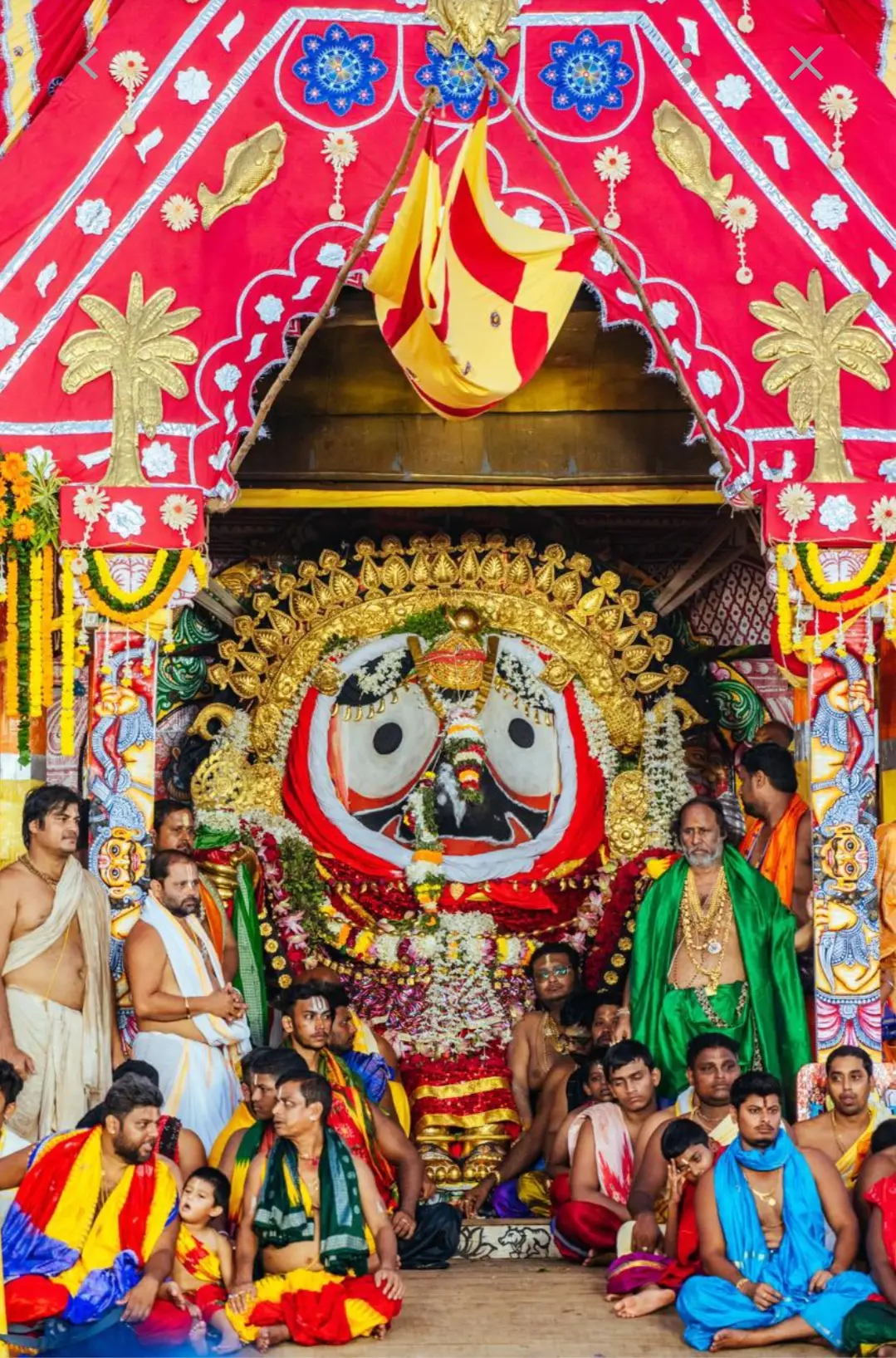
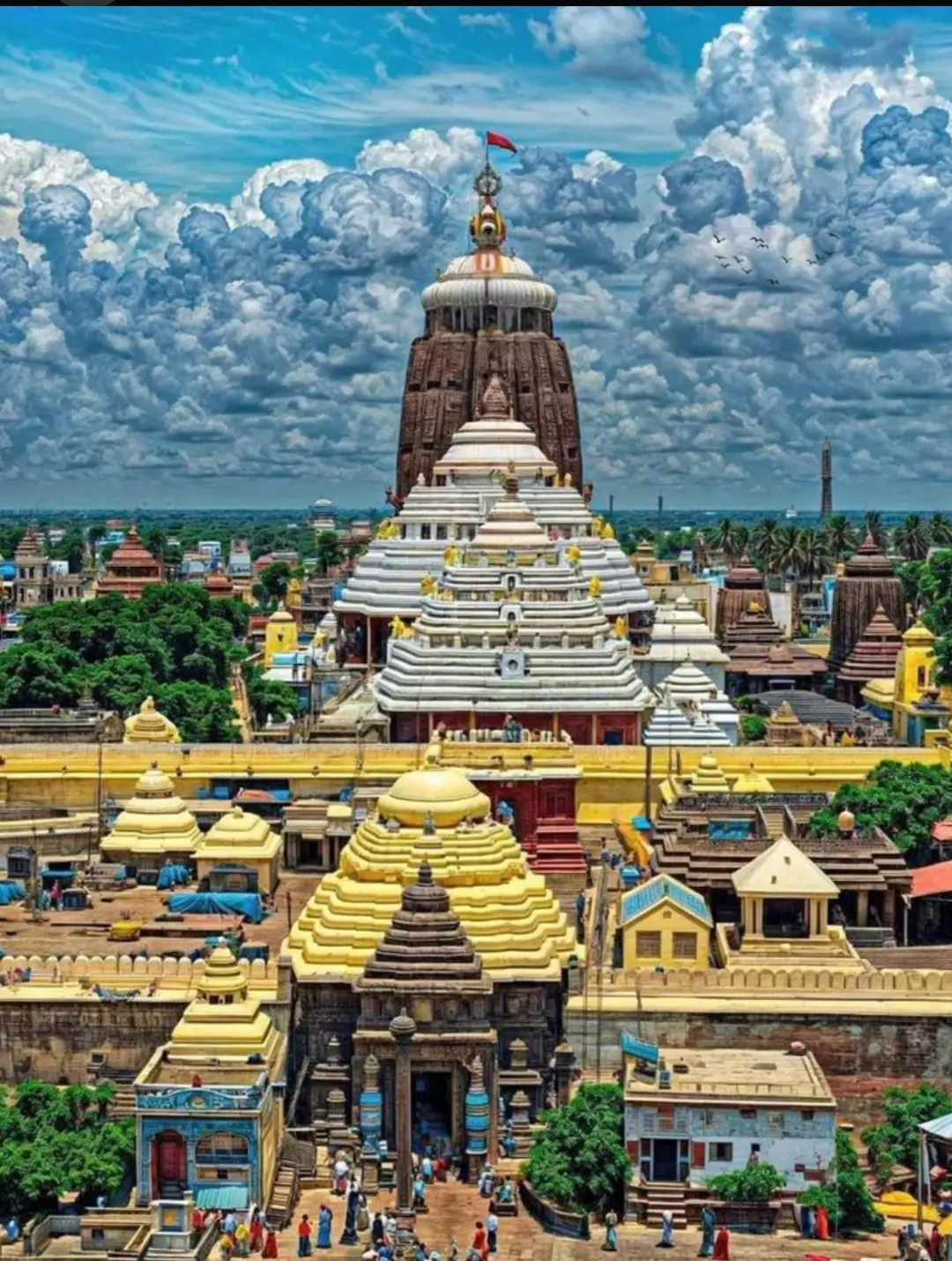
Jagannath, the Hindu deity, serves as an emotional heartbeat for the populace of Odisha. Part of the holy 'Char Dham Yatra', it is one of the holiest places for Hindus all across the globe. Despite being a site established in the pre-medieval ages, it has successfully preserved the cultural essence of India throughout history. Foreign invasions and British imperialism have not been able to erode this heritage of its importance and grandeur.
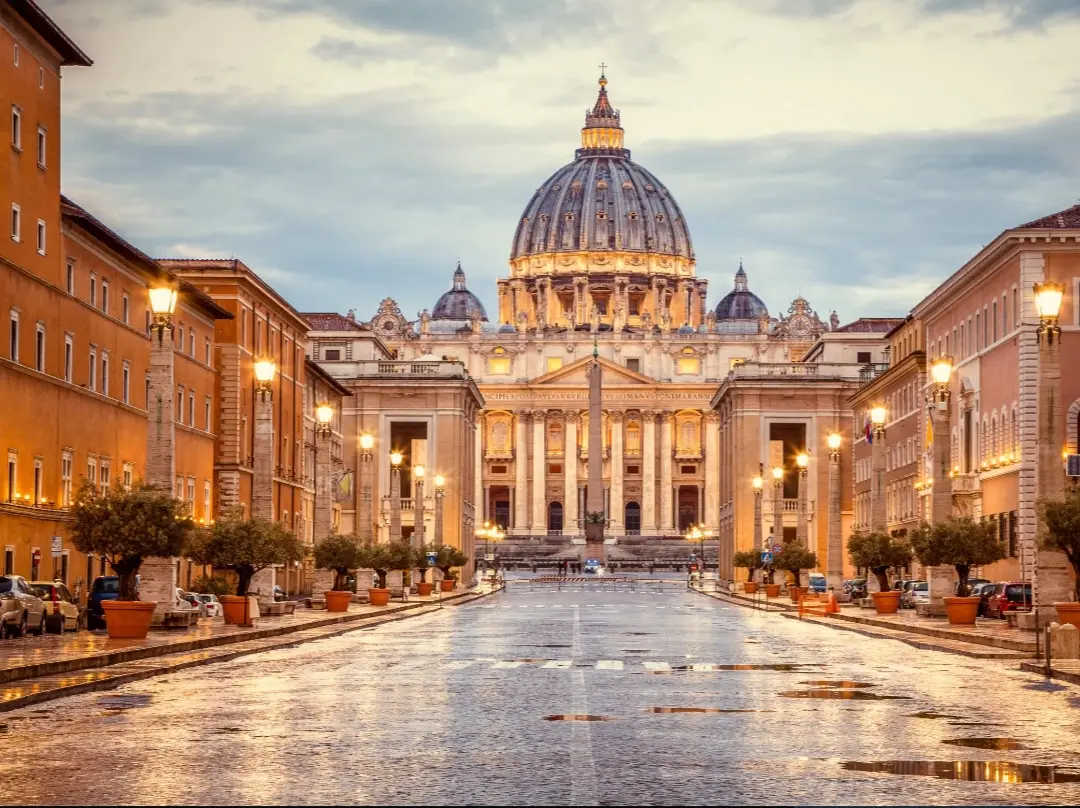
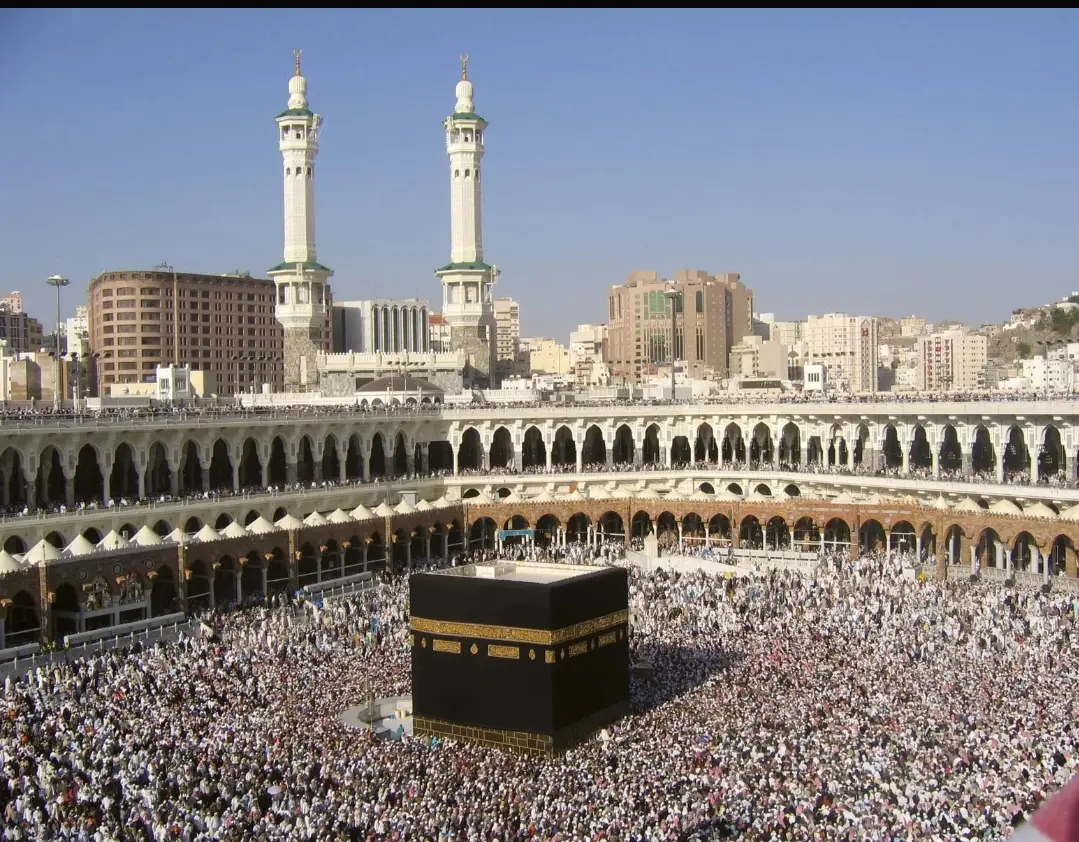
If we look through the pages of history, we will find that every religious site in the world—from Jerusalem and the Vatican to Mecca—has a unique story of its own. It revolves around securing geopolitical and populist interests rather than just being a site of worship:
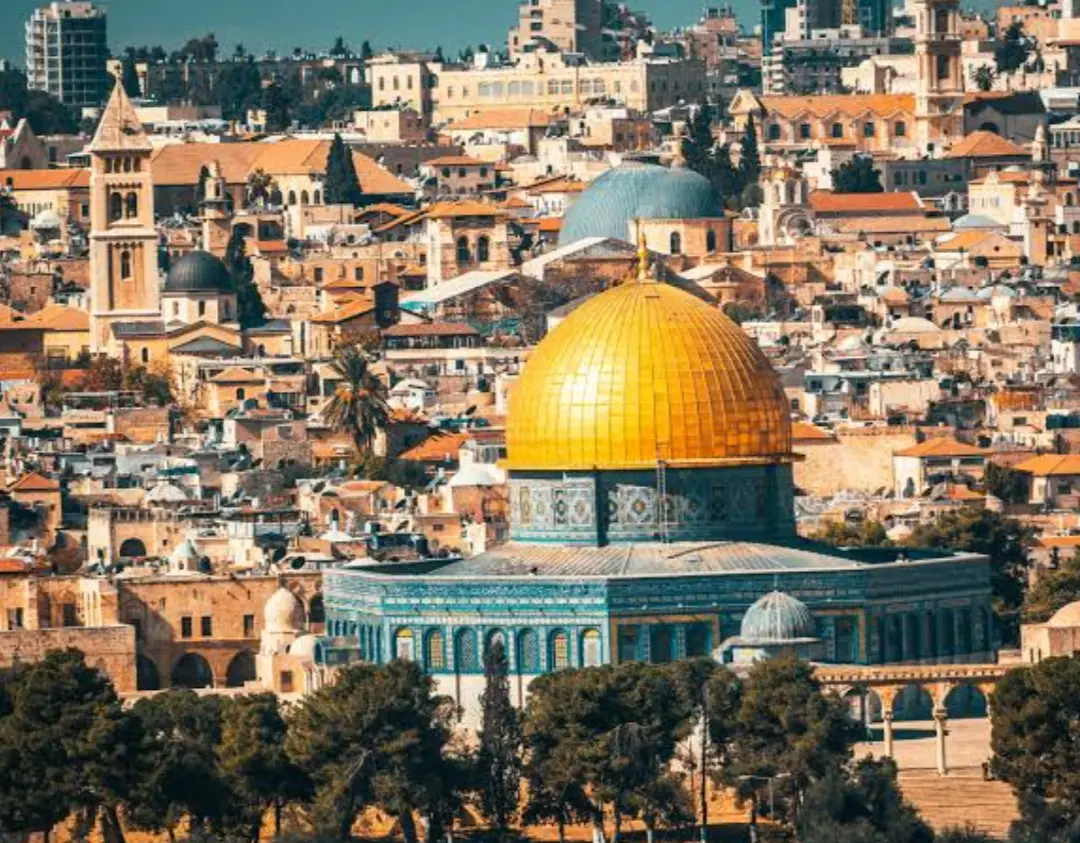
**Jerusalem** is a strategic location in the Middle East that sits at the crossroads of major trade routes connecting Asia to Europe and the rest of the world.
* **The Vatican**, while not an important geopolitical location, held immense political weight that decided who ruled Europe.
* **Mecca** in Saudi Arabia was a thriving economic hub located at an important juncture of trade routes alongside being a neutral zone, facing the least amount of instability due to tribal wars.
The situation with the Jagannath temple is quite similar, helping Puri become an important spiritual and cultural hub of the world. For a long period of time, Odisha (erstwhile Kalinga or Utkal) was ruled by the Eastern Ganga dynasty. King Ananga Bhima Deva-I laid the foundation stone for the building of the grand Jagannath temple.
The Realist Perspective Behind the Temple's Construction
While numerous tales and folklore revolve around cosmic interventions that pushed for the building of the grand structure—stories people believed to fill their mental vacuum and seek validation from a divine entity—stripping away the emotional angles reveals pragmatic, realist motivations:
2. **Geographical Advantage:** The Eastern Coastal plains of Cuttack, Khorda, and Puri served as the agricultural heartland of the state. The Mahanadi river flowed through this region, providing fertile plains and dense populations where most rulers built their capitals.
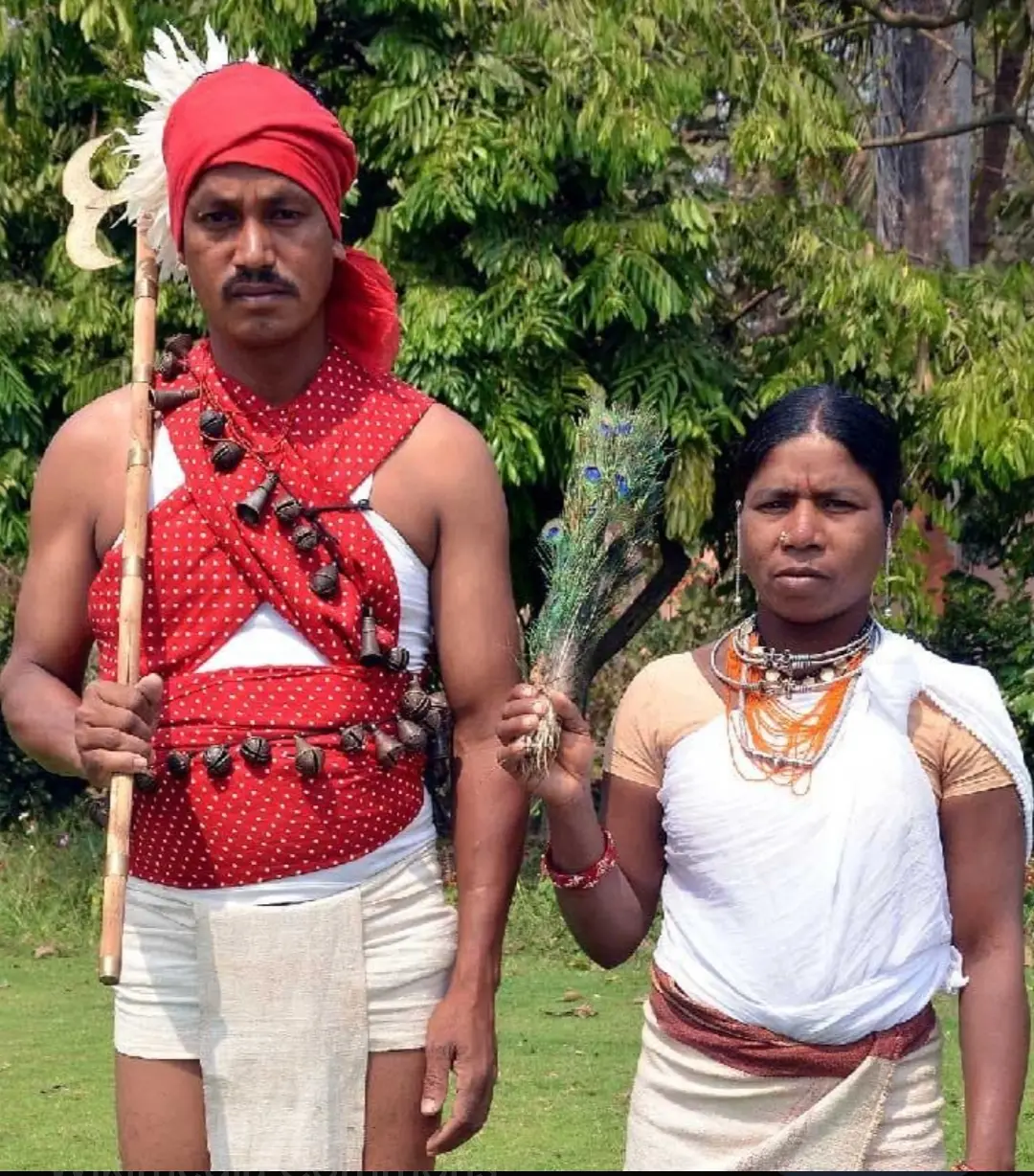
3. **Inhabited Interior Forests:** The interior regions of Odisha were filled with forests, hills, and abundant natural resources. They were home to hundreds of indigenous tribes who lived on forest produce and were well-trained in jungle warfare, armed with lethal weapons, and possessed distinct cultural beliefs.
4. **Resource Acquisition:** King Ananga Bhima Deva-I wanted to explore these regions to utilize their potential resources—such as timber, medicinal plants, elephants, and minerals—to strengthen the military and the economy. However, military conquest through dense jungles was extremely difficult and prone to asymmetric warfare and heavy losses.
Peaceful Integration and the Creation of 'Nil Madhava'
Auspiciously, Ananga Bhima Deva-I sought peaceful integration rather than bloodshed. Recognizing that religion was the only medium for peaceful cultural integration, he sent his minister Vidyapati to study tribal customs.
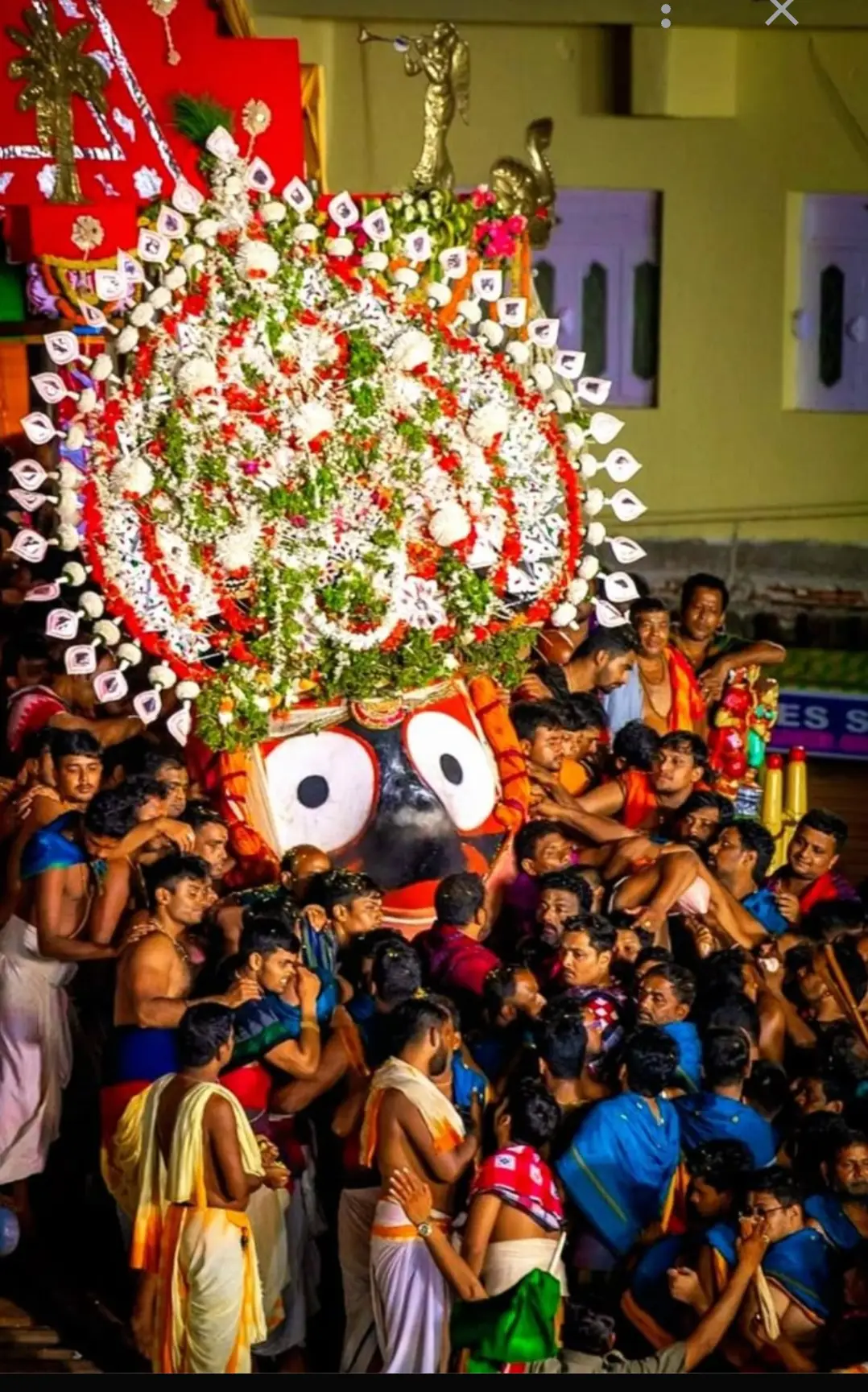
1.**The Diplomatic Strategy:** This was framed as a divine intervention where the god appeared in the king's dream. Vidyapati discovered the tribal god **'Nil Madhava'** (an incarnation of Vishnu). To convince the nobility and Brahmins—who would have otherwise rejected a tribal deity—the integration was cleverly packaged.
2.**Alliances:** Vidyapati married the tribal lord's daughter to deepen political and cultural ties. In exchange for access to Odisha's interior resources, the king assured the tribesmen that their tribal god would receive ultimate legitimacy in the royal court and their traditions would be preserved.The tribal community will be integrated through economic incentives and job opportunities in the urban areas as well as in the temple
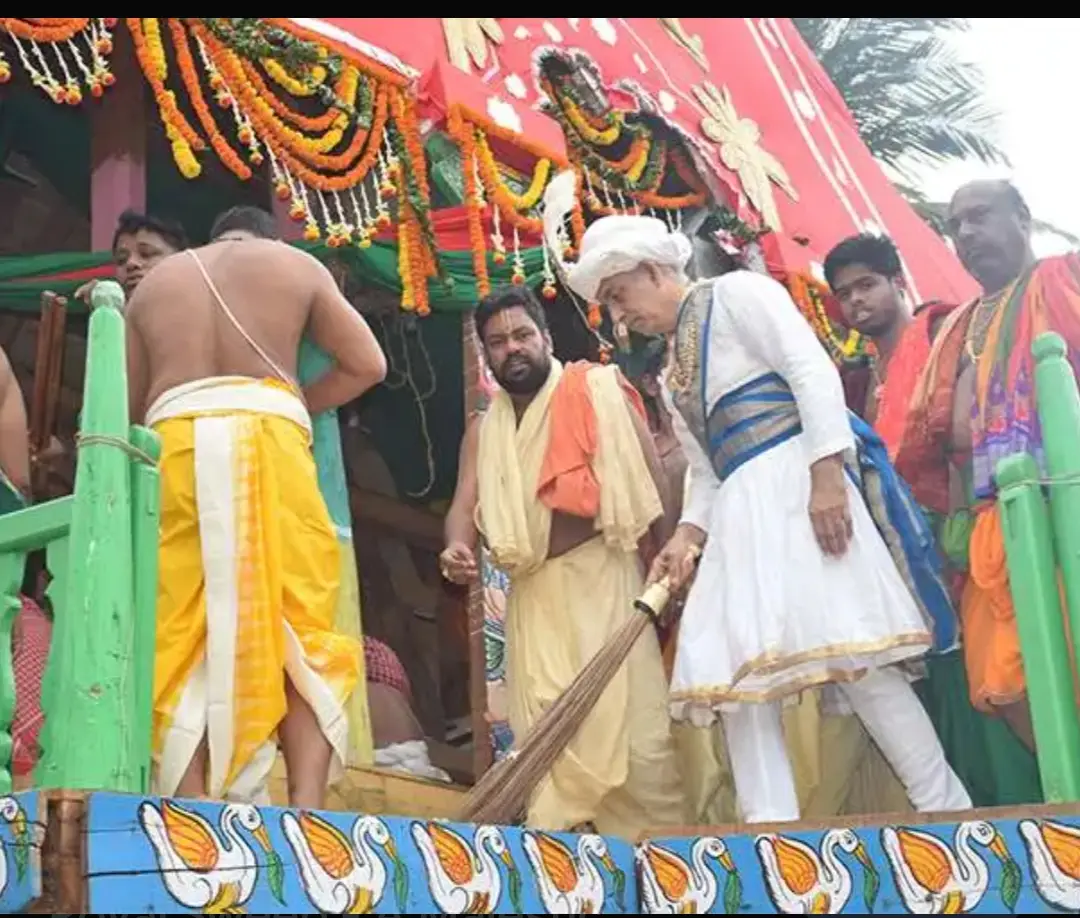
The Myth of the 'Daaru Brahma' and Lord Jagannath's Iconography
To bypass suspicion regarding the physical differences between tribal idols (carved from wood, lacking human-like defined bodies and arms) and conventional Hindu clay idols, a brilliant narrative was constructed:
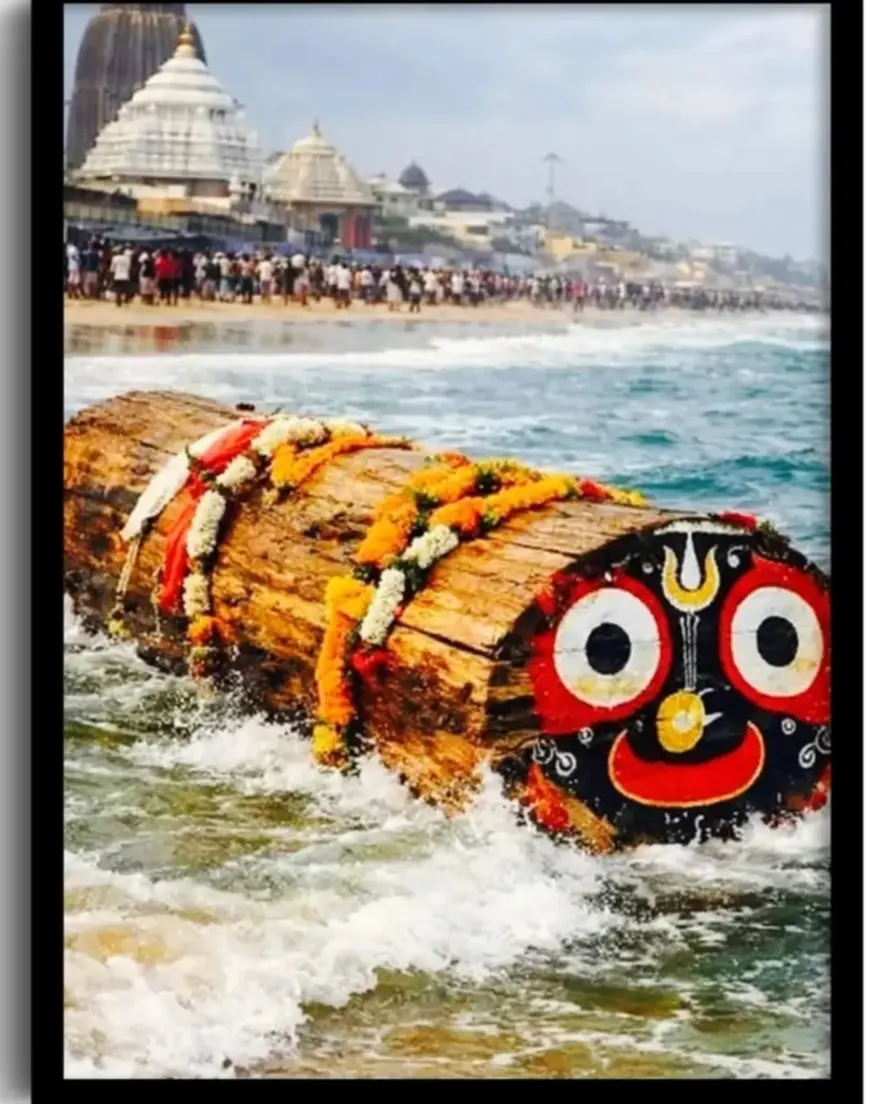
* The king claimed the lord would reincarnate as wooden logs (**'Daaru Brahma'**) flowing ashore at Puri.
* Leveraging the reality that timber was widely exported from Odisha to South-East Asia via commercial vessels (*Boitas*), and logs frequently fell into the sea, the king claimed these floating logs were divine arrivals.
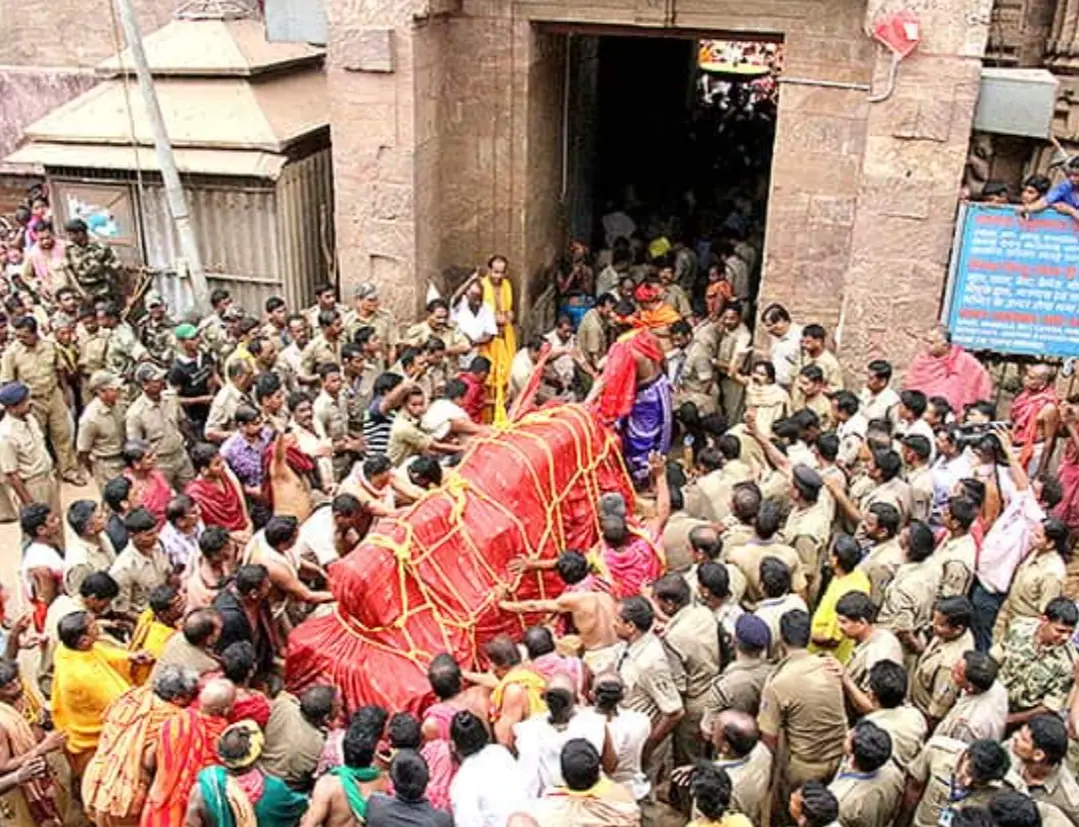
* An experienced craftsman named **'Vishwakarma'** was secretly commissioned to carve the idol based on the tribal totem. Due to a broken deadline (when the queen opened the door early), the idols were left half-made—featuring round eyes, a large torso, and no fingers or feet—giving birth to the iconic form of Lord Jagannath.
Consolidation of Power and Psychological Warfare
Odisha's rulers frequently used such religious strategies to consolidate power:
1. **King Ananga Bhima Deva-III** declared Lord Jagannath as the ultimate Emperor of the state, making the king himself merely a servitor (*sevak*). This served as psychological warfare against potential coups and rebellions, as any aggression against the throne became an act of war against God.
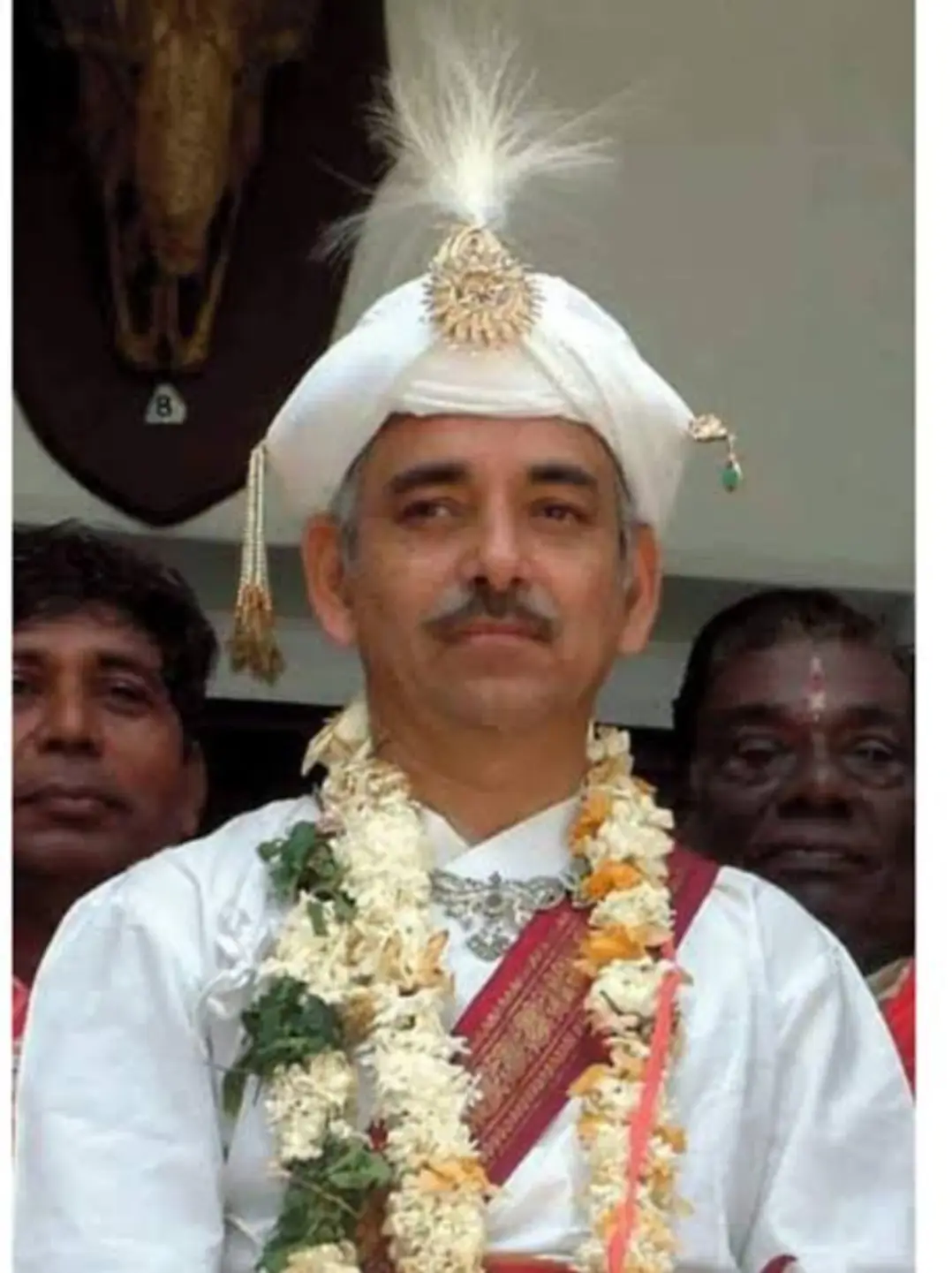
2.**Kapilendra Deva** (the first ruler of the Gajapati dynasty), who lacked royal lineage, overcame resistance from the nobility by staging a divine sign at the temple—making the garland on top of the idol fall to the ground in front of the entire court, proving his divine right to rule.
3.**Military Morale:** The deity acted as a psychological mobilizer, convincing soldiers on the battlefield that they were fighting to safeguard their faith and cultural sanctity rather than just a ruler.
Conclusion
Events of this nature are common in world history where religion has been leveraged to consolidate power. Ultimately, the grand temple in Puri and the Jagannath cult have served as the ultimate trademark of Odisha since times immemorial, helping India project herself as a great civilization through soft-power diplomacy on the world stage.