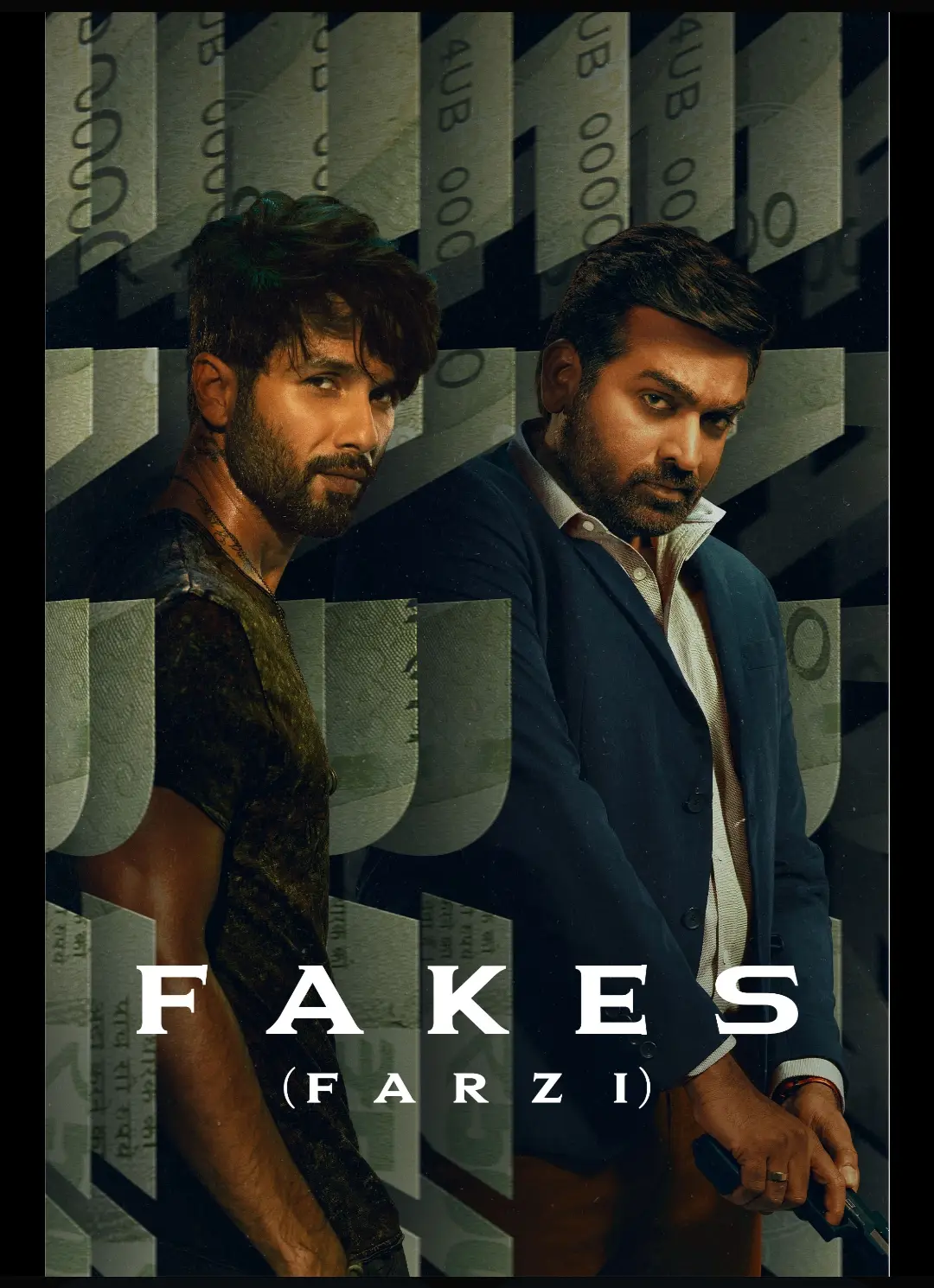
Farzi: Black and White
An iconoclastic review
 Brahma Swarup Das31 Jul 2026 · 4 min read · 6 figures
Ok, so I recently completed the first and only season of 'Farzi' as of 2026. The series was quite engrossing and creative. Every trickery was innovative and something out of the box everytime. This cat and mouse chase reflected the urge for money making—transitioning slowly from survival to become validation for art on a global platform and ultra-luxurious lifestyle.
Ok, how validation? Do you remember the 's' mark on the Super-note that Sunny left as a symbol of his art. Basically, it was this desperate urge to gain the validation that he deserved which he never got due to shackles of poverty. Yes, 'Shackles of Poverty'—those very tentacles that stopped his 'Nanu' from getting recognition for his revolutionary ideas: 'The Kranti' Newspaper.
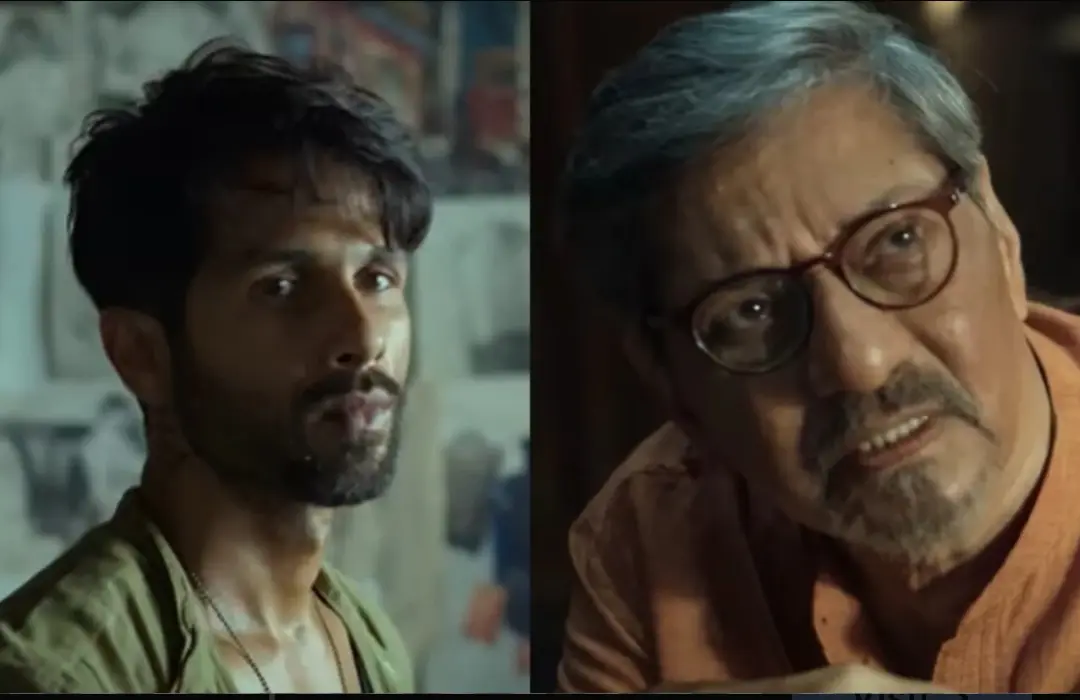
If you look closely into the character arcs of 'Nanu' and 'Sunny', at the superficial level you will find stark contrast. Under the same roof, there were two lives: a righteous die-hard revolutionary and a smuggler of multi-crore fake currency notes into the market. A change-maker and a 'Disruptor' under the same roof.
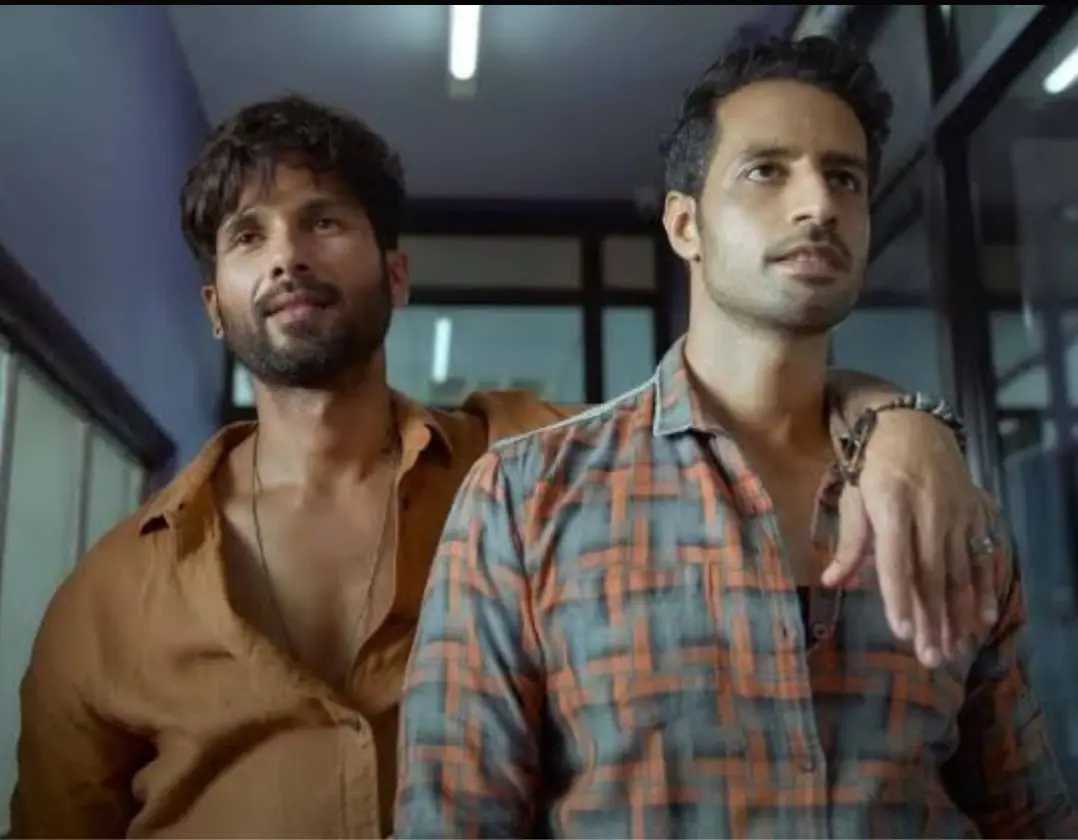
The only thin string that connected both these lives—'Nanu' and 'Sunny'. It was the urge to be heard. To be recognised. Equivalence in Emotional Substance. 'Nanu' was a delusional optimist drowning in generosity. Whereas Sunny was a hardline Realist—Sunny realised that altruism will earn respect but won't fill their stomachs. It won't give them a place in the society as equals. Sunny's girlfriend who was shown in the starting of the series was not a mere gold-digger, but the bitter reality of society—in the 21st century, every relationship has become transactional. And, I think this was the first blow to Sunny's conscience after desolation by his father
Gradually, the desperation to bring his family out of poverty changed into greed. By the end, it was no more about Nanu or his newspaper mill, but about grasping absolute opulence. Which proved greed never recedes. Once the spark is lit, it just manifolds exponentially.
One more important nuance that felt personal and encouraging. Friendship is not worth it in this transactional world unless you have someone like Firoz—the modern day 'Laxman'. Even I felt jealous of Sunny just because he had someone like Firoz. I am literally longing for a soul like Firoz in this world of fake love and transactional mindsets. Their bond was above the concepts of toxicity and leg-pulling. Every tiny success from each side was mutually celebrated as if they have won the FIFA World Cup. Sticking to each other till the very end of this world. Fights are bound to persist, friction is bound to exist, but there is some self-lubrication that fills these crevices and ties them back together.
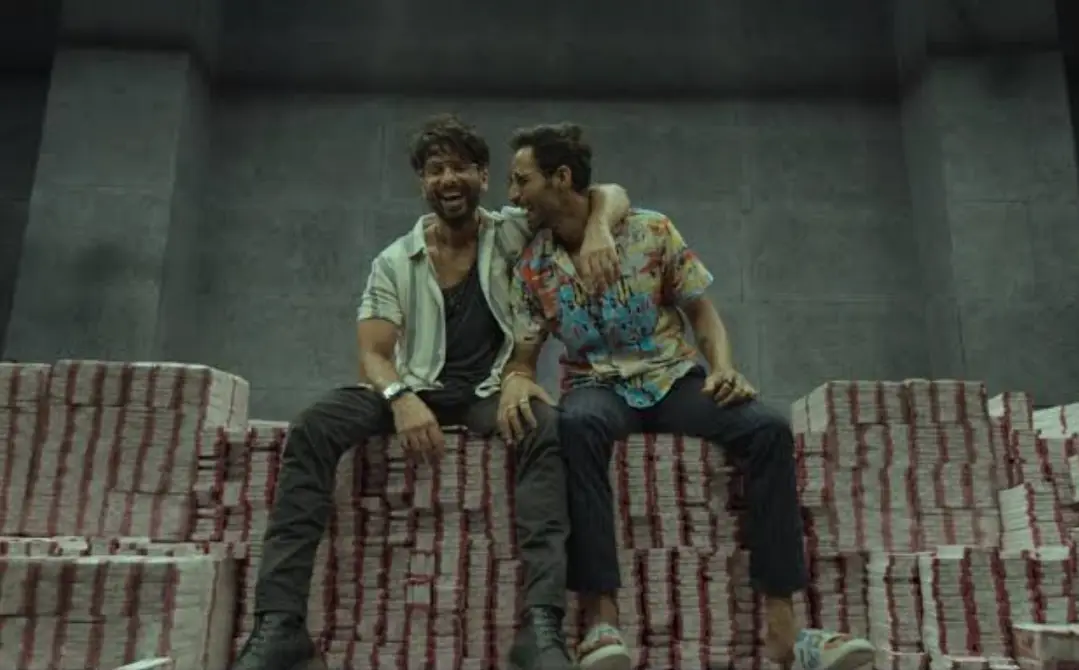
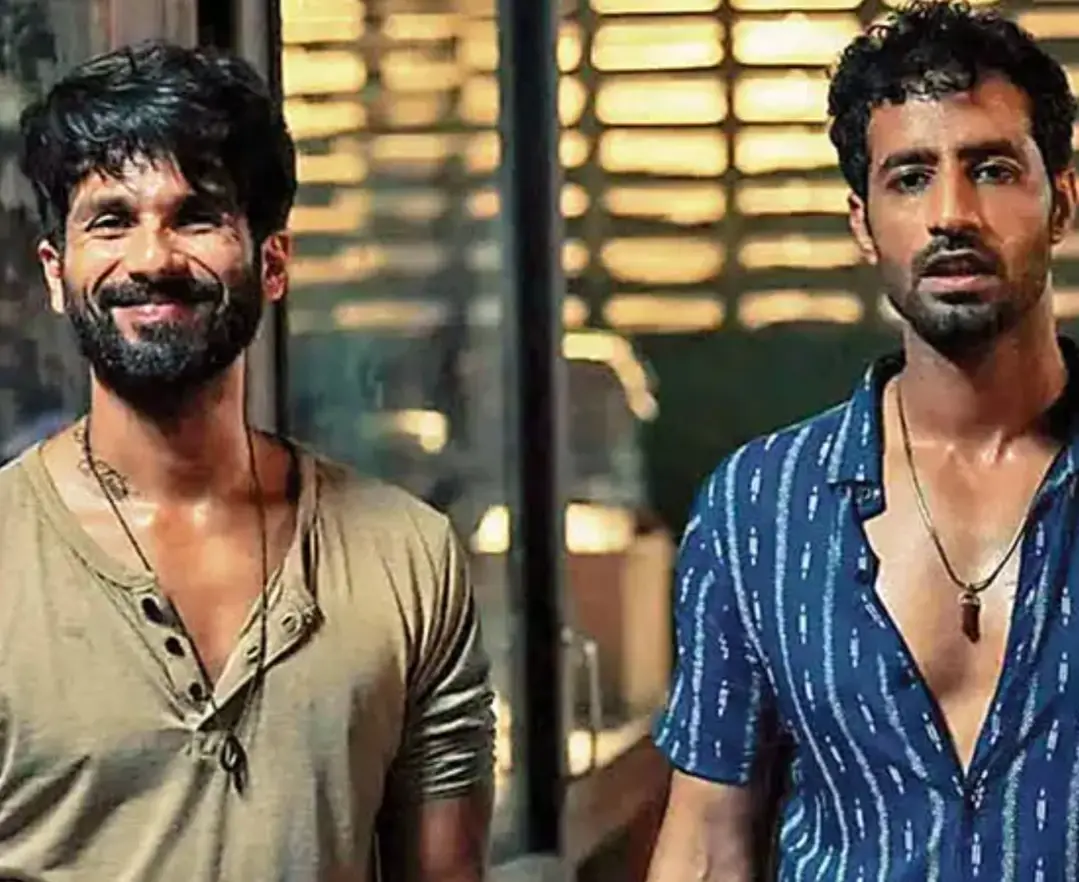
The Sunny-Firoz Juggernaut—When the entire world is against you and every possible chance of a win seem tattered. There is still some guy who comes up and pats your head and says "It's nothing... just a fluke, we will build it back". The feeling is itself so relishing.
Sunny wasn't some trained chauvinist. His emotional vulnerability to fall for Megha, ultimately led him to be captured in the trap of government officials. I mean, really, even if I find my life partner who is perfect for me but she is Pakistani, I am going to drop that girl right there itself. Literally, some mere transactional attachment isn't worth it in exchange for ruining your hard earned life.

Finally, the climax where Sunny and Firoz are stuck in a chase with the police with all those fake notes in the van, they were almost caught. Sunny instantly recollected that tragic event when he was a child. He saw hordes of people rushing to grab the money from his dead father's suitcase. They were common men, not some goons or thieves. But still instead of rushing to save the life of Sunny's father, all the people around jumped upon that open suitcase of flying notes. His father was left in a pool of blood on those rail tracks. It was ingrained in Sunny's conscience that the most radical idealist and moralist can turn into a barbaric looter if given a chance to do so.
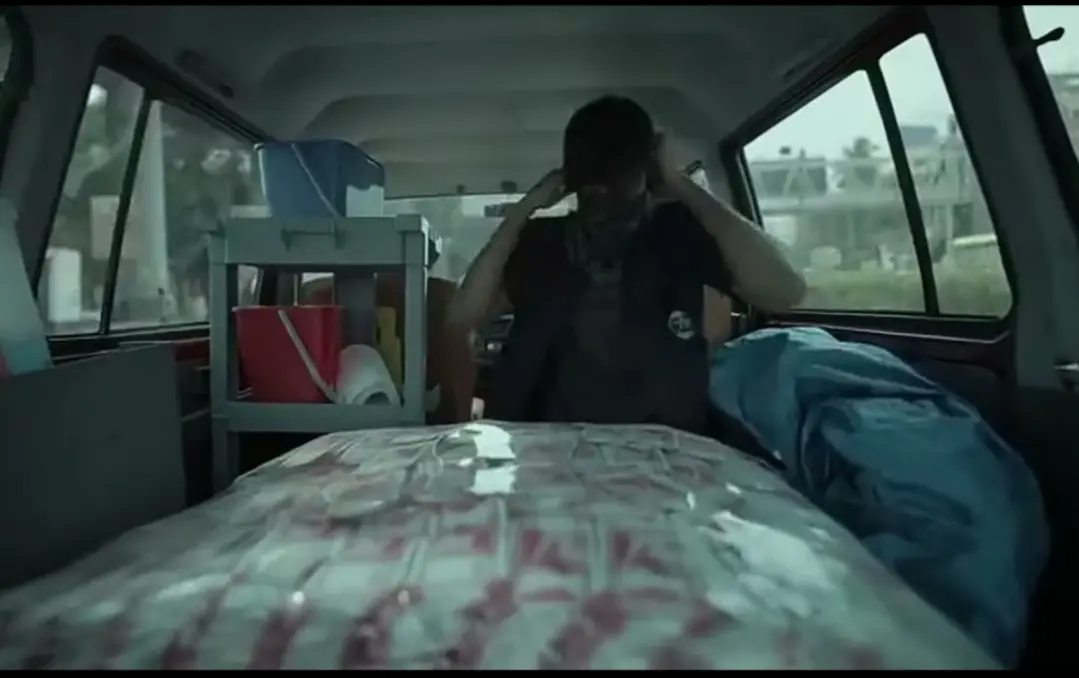
It was this very idea that helped Sunny escape the chase. He directed Firoz to tear open the carton of fake notes and set them flying on the roads. Surprisingly, every righteous common man on the roads instead of chasing those criminals, went mad after those flying notes. Not even a single person in the herd tried to stop those escaping criminals. It created a blockade for the police officials who were chasing the smugglers.
If you see the same incident from a macro-level you will understand that crime and order are part of a vicious cycle. It is those very common men who crib over quality of services delivered by the government become the ultimate barrier for delivering those same services—law, order, equality, and justice.
WELL DONE TEAM - “FARZI”
ESPECIALLY RAJ & DK.