The Story of Tigers
On World Tiger Day
 Brahma Swarup Das31 Jul 2026 · 5 min read · 11 figures
Tigers form an important part of the global ecosystem. A beast of pure beauty, elegance and raw power, it beholds immense culture significance for a country as an ecological heritage. Tigers are pre-dominantly found in South and South-East Asian regions alongside a few unique species in the Siberian plains of Russia.

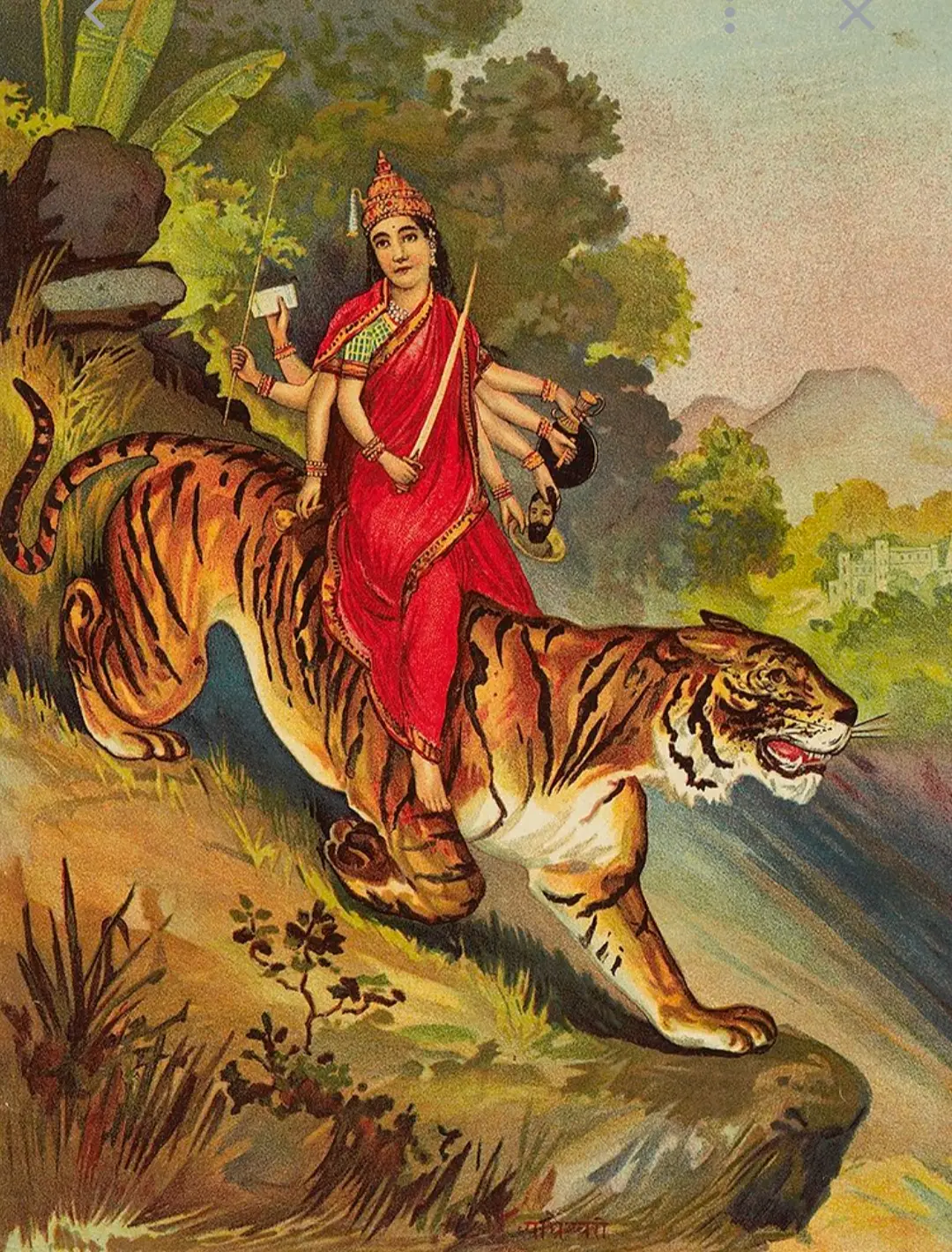
The history of tiger populations serving as an important cultural icons of countries, dates back to the ancient ages. Control over Tigers symbolised masculine strength, courage and bravery. In India, tigers hold immense weight in vedic rituals and mount of goddess Durga. Throughout history, the role of tigers changed gradually from a mere beast of prey with divine qualities to a medium for garnering wealth and projecting power.


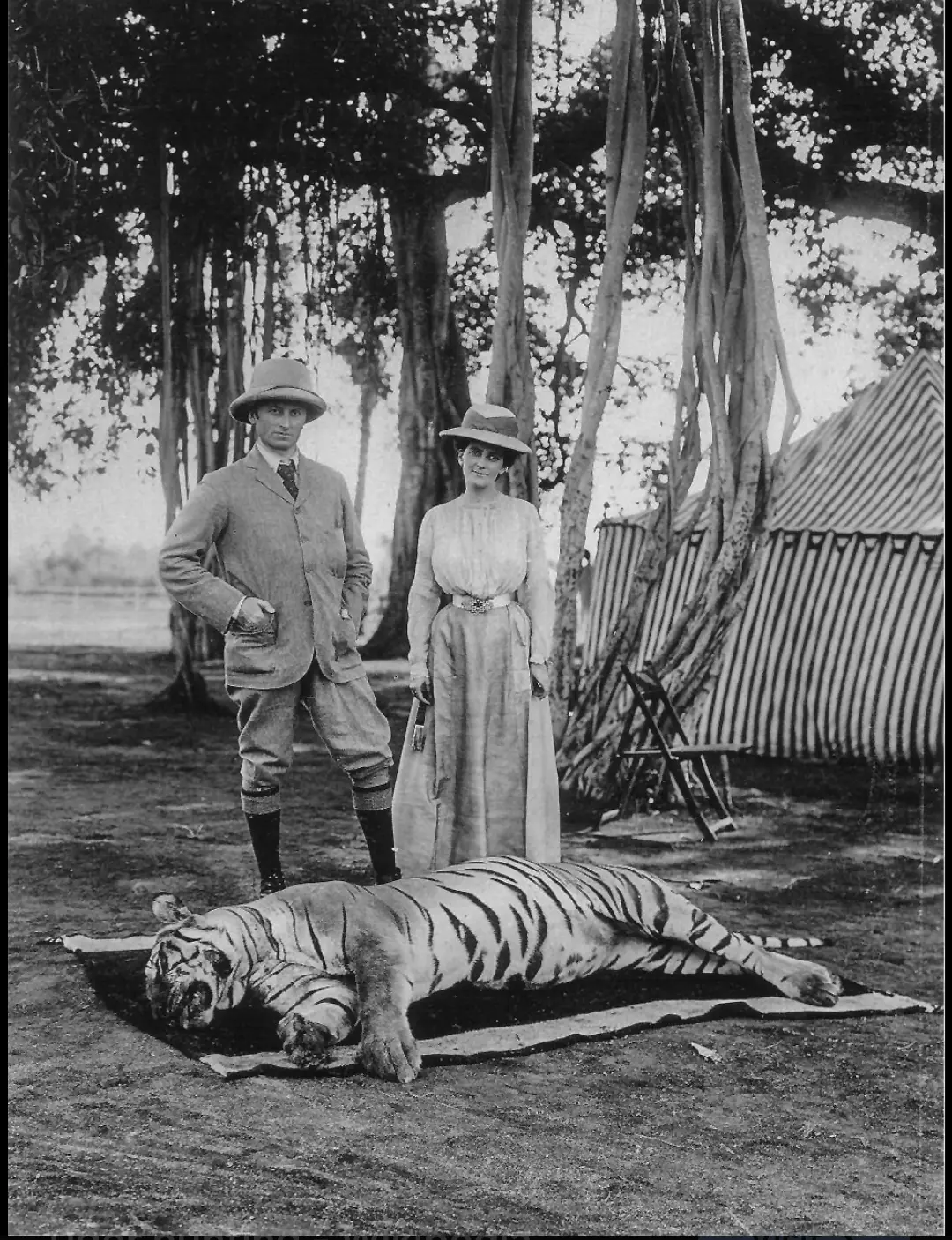
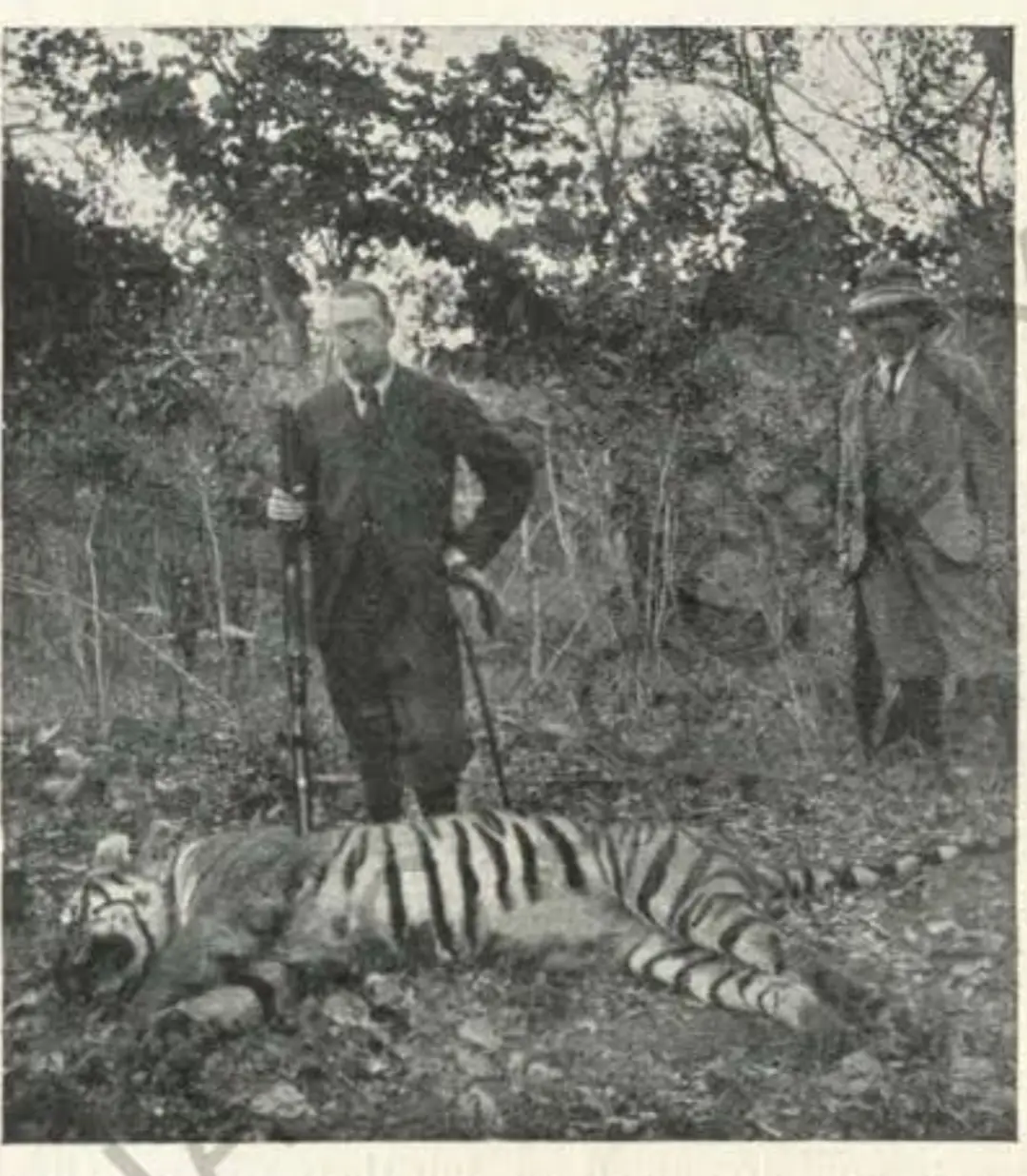
In medieval eras, Mughal and Rajput rulers were engaged in tiger hunting which showcased martial prowess and the pinnacle of masculinity. Tiger pelts, bones and other body parts were gifted by rulers to deepen diplomatic relations with other kingdoms. Skin was used as a royal ornamentation in Courts, halls and private rooms. Advent of colonialism, gunpowder, and the Industrial revolution to Asia accelerated the process of tiger hunting. Use of guns and other advanced weaponry for forest hunts led to a drastic fall in the indigenous populations of various exotic species. Tiger hunts were turned into imperial competitions amongst the colonial officials as a pastime activity. Photographs with tiger carcasses were considered to be an icon of elitism during those times.
Further on, expansion drives conducted for acquiring critical natural resources, and land pushed for decapitating natural habitats of tigers and other animals. In the name of economic development large tracts of land were cleared off from forest ecosystems for building industrial infrastructure. Tigers being a beast of prey entered rural areas, attacking humans and killing livestock like cattle and other domestic animals. Continuous attacks from the wild affected the rural economy and daily commercial activities.
Instead of creating institutions, for safe capture of tigers, bounties were declared by colonial administration to eliminate tiger habitate. This led the local populations to kill tigers through poisoning and shooting. In the 1900s, global tiger population was over 100,000 in numbers which plummeted to a figure of around 3,200 in 2010. In the post-colonial era, laws were enacted by various countries that put a total ban on tiger hunting and poaching. Loose Security apparatus led to the building of black markets where tiger body parts like pelts, bones and teeth were illegally traded in exchange for hefty amounts of money. India devised the National Wildlife Act, 1972 in order to safeguard natural habitate of wildlife species from large scale human intervention. Project Tiger was launched in the year 1973 to increase tiger population through creating exclusive zones for tiger breeding, protected areas like national parks, wildlife sanctuaries and devising stringent measures against poaching and illegal trade.


A national committee of wildlife experts and environmentalist was setup, for carving out strategies for Conservation of Tiger population. Regular accounting of numeric data, studying mass movements through footprints, Specialised medical treatment of infected tigers and ensuring healthy breeding helped India to increase tiger populations to a significant level. It helped to create a robust Softpower image by setting a benchmark for other countries in Pursuit of fulfilling Sustainable development goals. Despite, persistent efforts, from nations at individual level, no positive developments could be achieved due to aggressive Cross-border Smuggling of body parts, tiger cubs through permeable security checkpoints. A call for global, all-around integrated approach was imminent, Taking the drastic fall of tiger populations into consideration, a global summit for tiger conservation was organized in the year 2010 in St. Petersburg, Russia. It invited all the nations to the table which were pre-dominantly home to species of tigers that were on verge of extinction. It included Russia, Turkey, India, China and major South-East countries that served as a centre for illegal trade and smuggling of tiger body parts. The day of 29th July is celebrated globally as International Tigers day to mark the collective effort of tiger conservation at an international level. The prime objective of the summit revolved around Tx2 - doubling of tiger population by the year 2022. Cross-border check points were strengthened with a robust Centralised System for reporting cases and collective action, was undertaken. The initiative gave room for mixed reviews from wildlife experts. Though, serious efforts helped to reduce poaching and tiger hunting, porous borders in dense forested areas of Indonesia and Indo-china was exploited for Smuggling body parts for medicinal usage & decoration alongside tiger cubs to be used in circuses and amusement events for public. Throughout the years, evolving technology has helped for tracking tiger movements and birth cycles. Use of nanachips integrated with GPS and digitized auditing has increased the effective collection of real-time data. Public awareness Campaigns through State-Sponsored advertisements, educating students with dedicated chapters on wild life conservation and conducting extra-curricular activities will help for better incorporation of values for respecting natural habitate at microscopic level. India has definitely set a benchmark for other countries through participation in conservation drives by initiating the Big Cats Alliance.


In the year 2026, India accounts for more than 3,200 tigers Single handedly with the largest tiger population in the globe. Integrating Cultural Symbolism with new age Conservation methods will serve to address the issue from a bottom to top approach. Religious Sentiments associated with tigers can be used to spread education regarding wildlife conservation to remote areas of the country. An exclusive wildlife protection force when deployed on ground can significantly reduce black market trade alongside building a conducive environment for tigers. Allocation of resources for initiating specialized training courses in universities will build curiosity to study wildlife amongst the large youth population. Regular patrolling across porous borders and use of social media platforms for digital campaigns can get the authorities to interact with a wider cohort of people in the society.

All in all, continuous efforts at global level through active cooperation will help us to preserve the ecological capital of the world. India has the capability to leverage its achievements in wildlife conservation to project softpower by ticking Sustainable development goals.