 The Iconoclastic Society
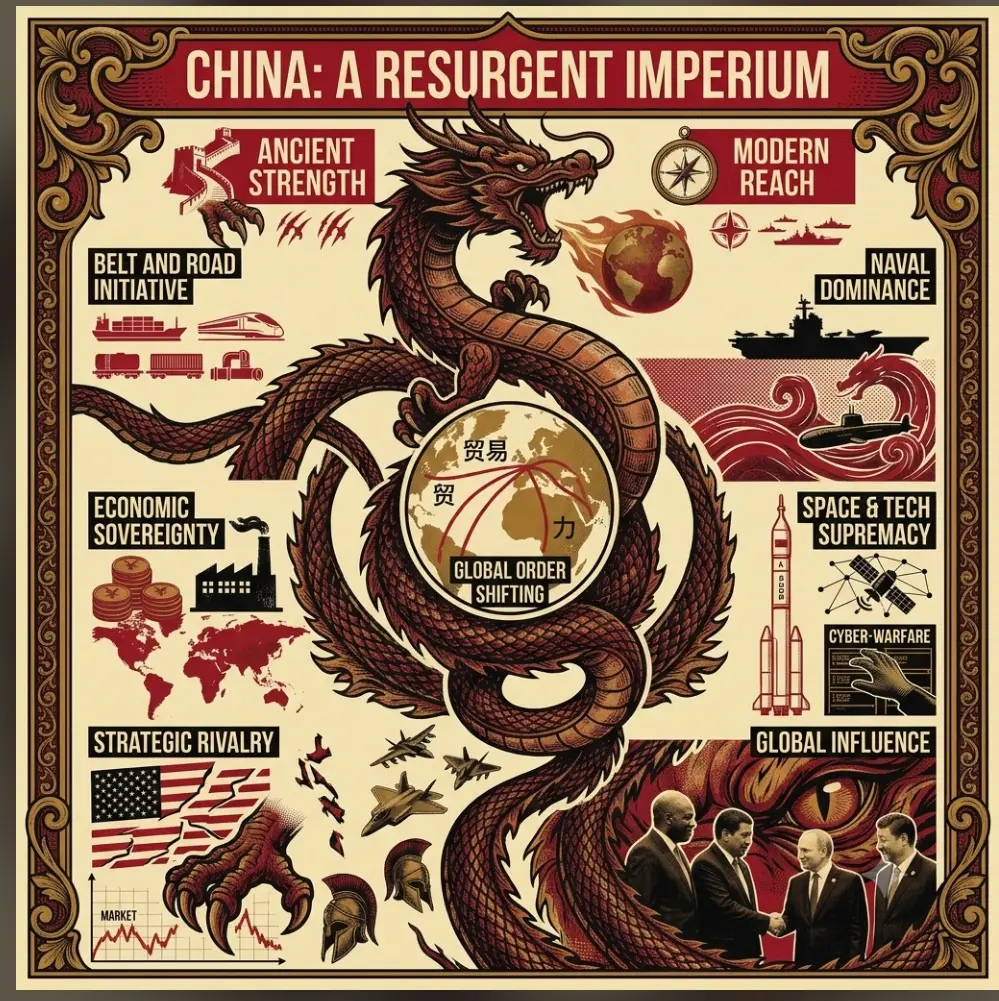
In the previous article, we dissected and understood the skeletal analysis of BRI, its different legs that span across 140+ countries through land and maritime routes.
In this episode, we will analyze the strategic motives as well as the official purpose that is stated by the PRC government.
As per various reports and surveys, China imports more than 70% of its country's total crude oil requirements alongside LNG and coal.
It also imports large quantities of metal ores and industrial minerals like iron, copper, and cobalt from Brazil, Australia, and African countries. They are used to power its steel mills and chip-manufacturing industrial units.
China imports agricultural products like soybeans from Brazil and animal feed from the USA.
It imports precision machinery, high-tech gear, chemicals, and plastics as well.
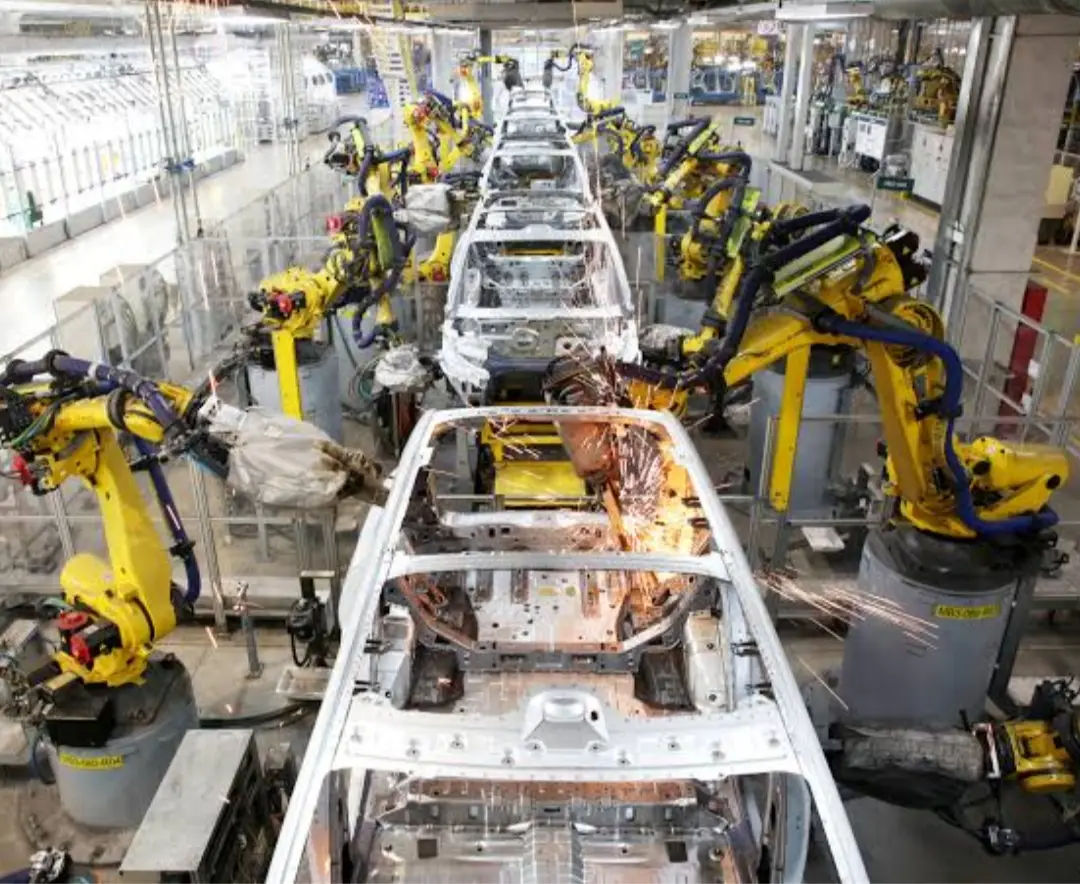
At the same time, China is known as "the factory of the world" for a reason. China generates roughly $3.97 trillion in export revenue with an annual trade surplus of $1 trillion.
(Trade surplus 👉 Total exports > Total imports)
(Trade deficit 👉 Imports > Exports)
(Value of Trade surplus = Income from exports - Expense on imports)
It accounts for nearly 16% of total global exports. Chinese exports span across multiple domains:
1. Machinery and Electronics –
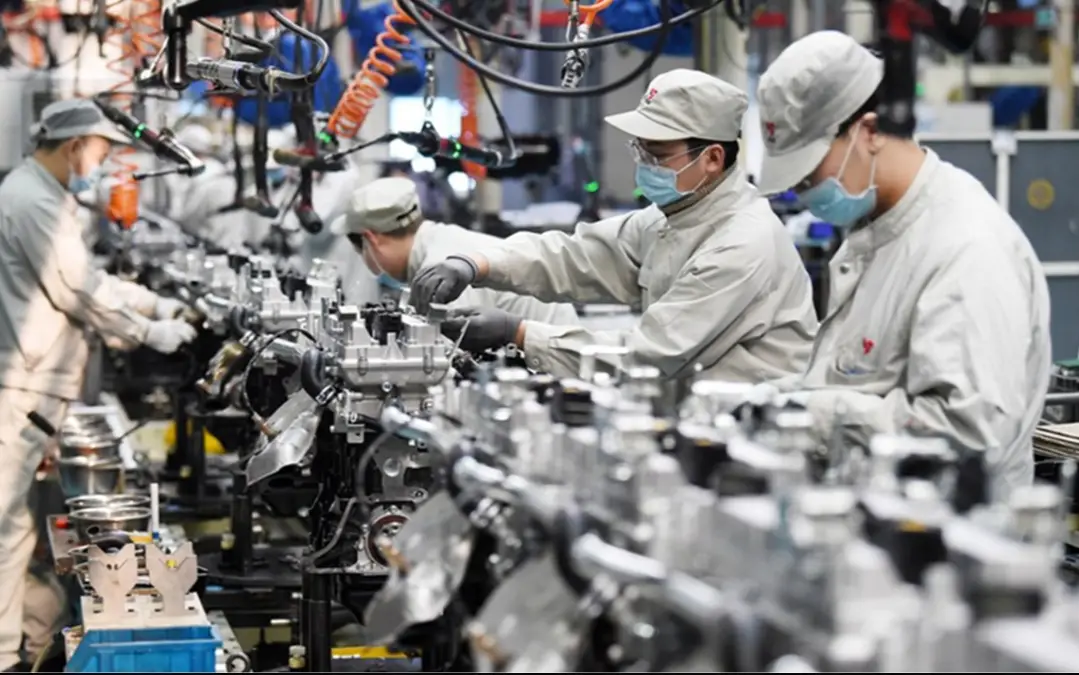
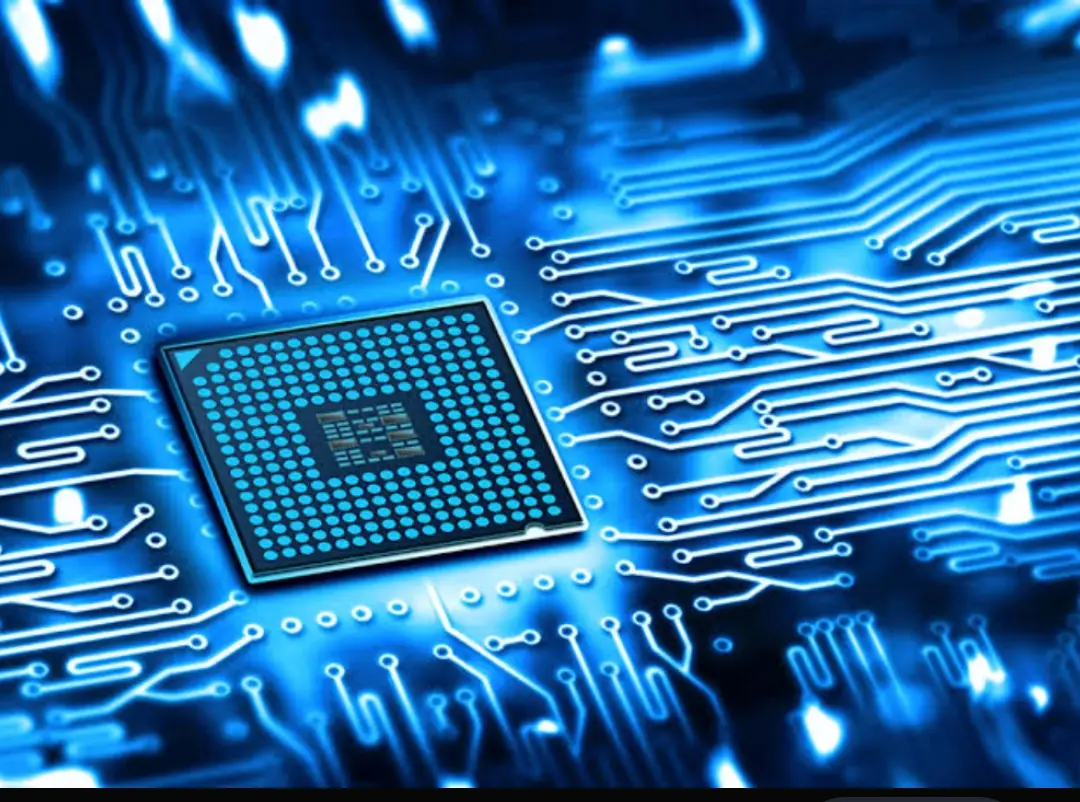
It generates 1.5 trillion dollars' worth of revenue, the largest export sector of the Chinese. Items include assembled goods like smartphones, laptops, semiconductors, integrated circuits, televisions, and circuit boards.
Bonus point- The Neodyium-Iron- Boron magnets are the most demanded permanent magnets of the world heavily used in defence tech.,EVs,Clean energy machinery as well
China is the largest producer of these magnets
2. Vehicles and Green Tech
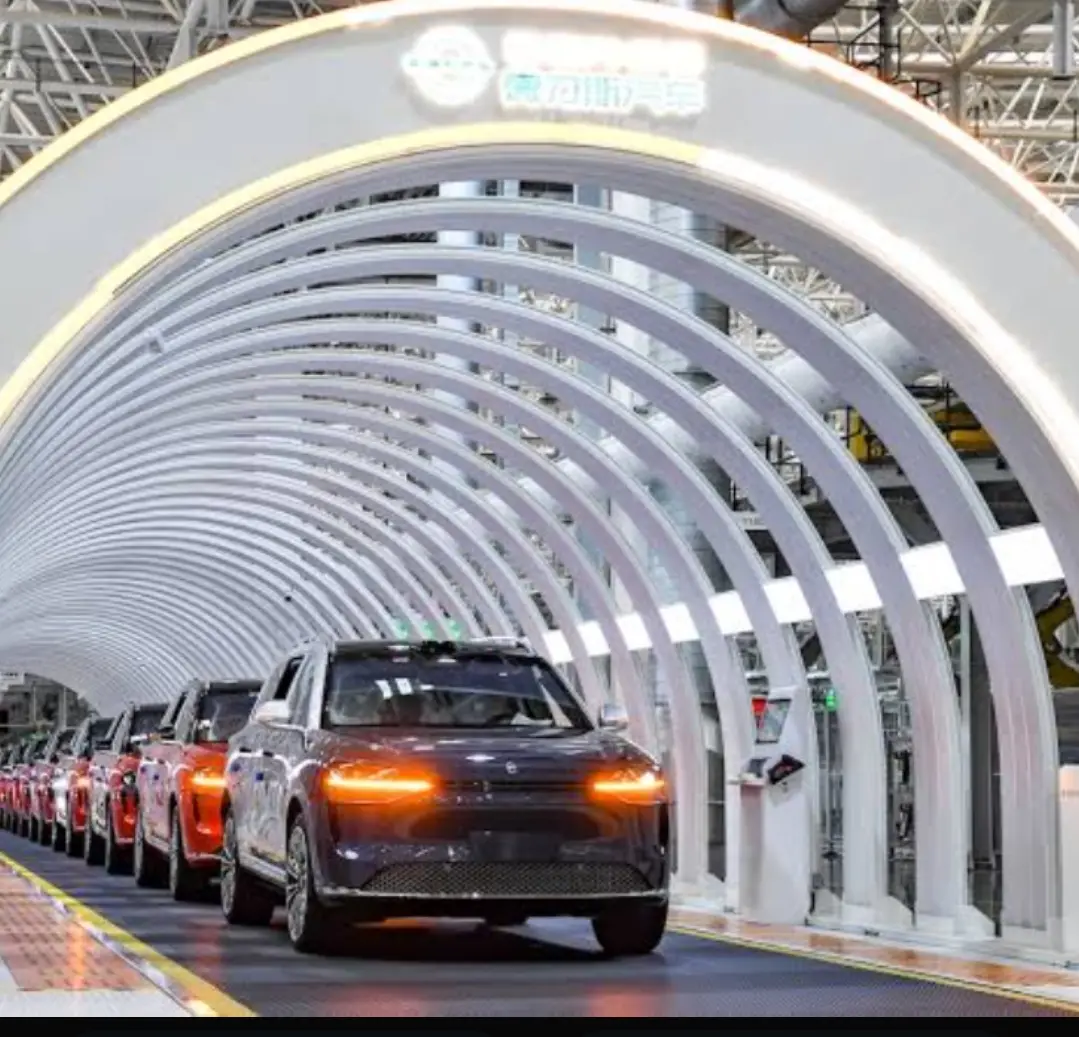
–Electric Vehicles (EVs), lithium-ion batteries that run EVs, commercial ships, automotive parts, solar panels, and much more.
3. Plastics and Raw Materials –
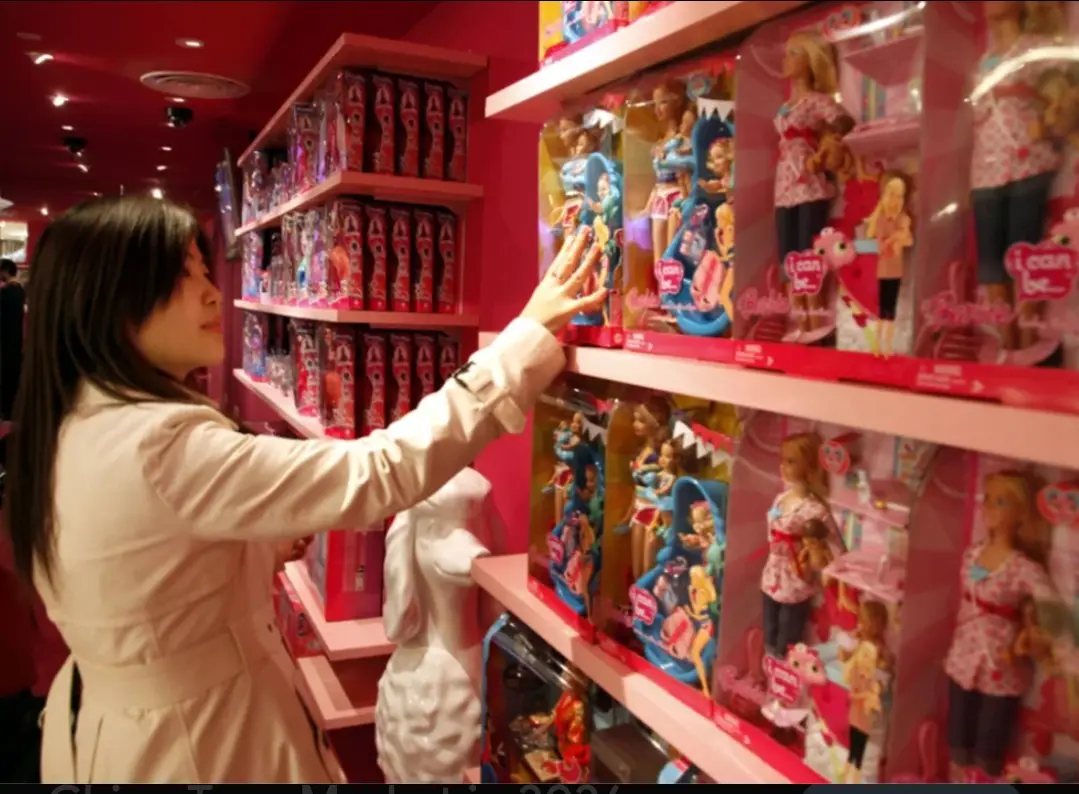
It includes synthetic materials like inorganic chemicals, toys, sports equipment, textiles, footwear, and apparel.
4. Miscellaneous – Precision instruments, furniture, home goods, mattresses, and much more.
The list is endless, from a small sewing needle to giant industrial machinery. Every bit of it is processed and manufactured in China.
The manufacturing sector contributes more than 28% to the total GDP of China, whereas for India it is just 16 to 17%.
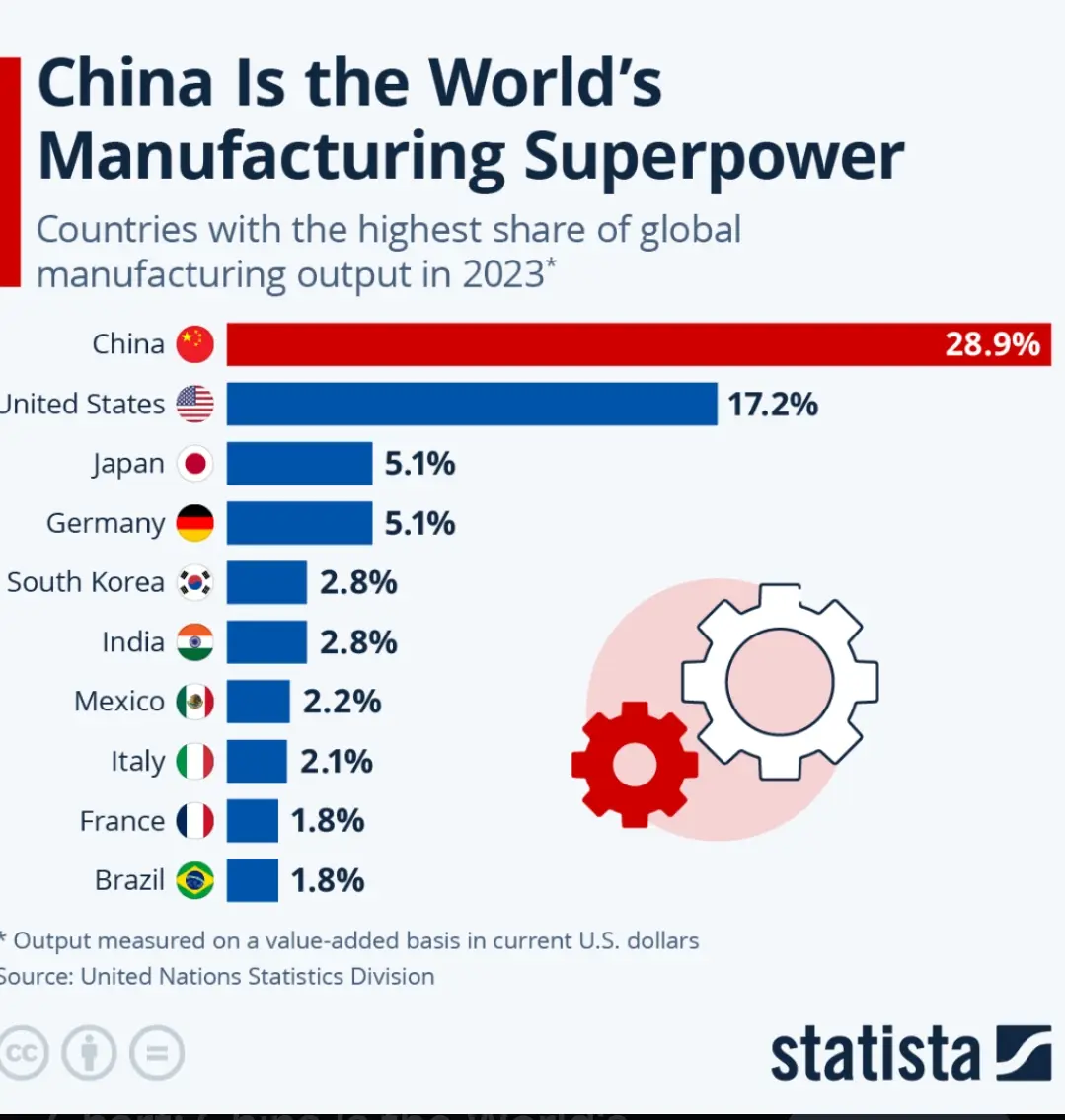
Now, for an economy like that of China, it is vital that for them to thrive as a country, they need to secure the supply chains of core essentials that power their manufacturing industry and feed their population.
The BRI is meant to fulfill that aspect. Officially China has laid down 5 core pillars of the initiative:
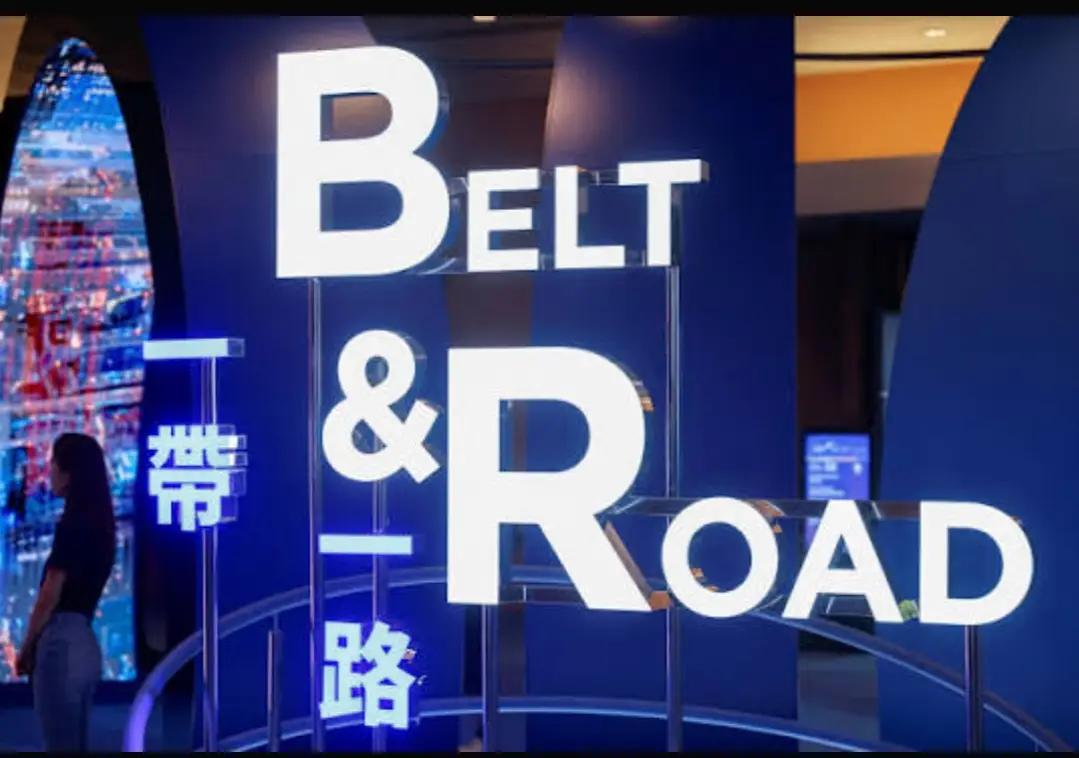
* Policy coordination ("Zhengce Gougoutong") 👉 To make better inter-governmental relations, coordinated national economic frameworks, and long-term development strategies for all participants.
* Facilities connectivity ("Sheshi Liantong") 👉 Seamless transit corridors across Asia, Europe, and Africa. Improving connectivity for transport and trade by building railways, ports, highways, power grids for electricity, and pipelines.
* Zero trade-impediments ("Maoyi Changtong") 👉 Minimal financial barriers between participating countries by streamlining customs procedures, investment barriers, and foreign trade-friendly policies. Ultimately to increase trade volumes and cut costs.
* Financial integration ("Jingrong Rongtong") 👉 Expanding monetary cooperation by encouraging the usage of local currencies for transactions rather than heavily relying on the Dollar. Large-scale infra is funded by the Asian Infrastructure Investment Bank (AIIB), Silk Road Fund, and China's policy banks.
* People-to-People Bonds ("Minxin Xiangtong") 👉 Fostering cultural, educational, scientific, and tourist exchanges to build public support. Basically to make people curious about each other's history, heritage, and culture, alongside other such initiatives like international student scholarships.
The 5 objectives laid down by the PRC government sound very sweet, samaritan, and philanthropic, and to a good extent, they have helped other countries to witness rampant growth. But if we dive deeper, we will figure out more nuances.
First comes the:
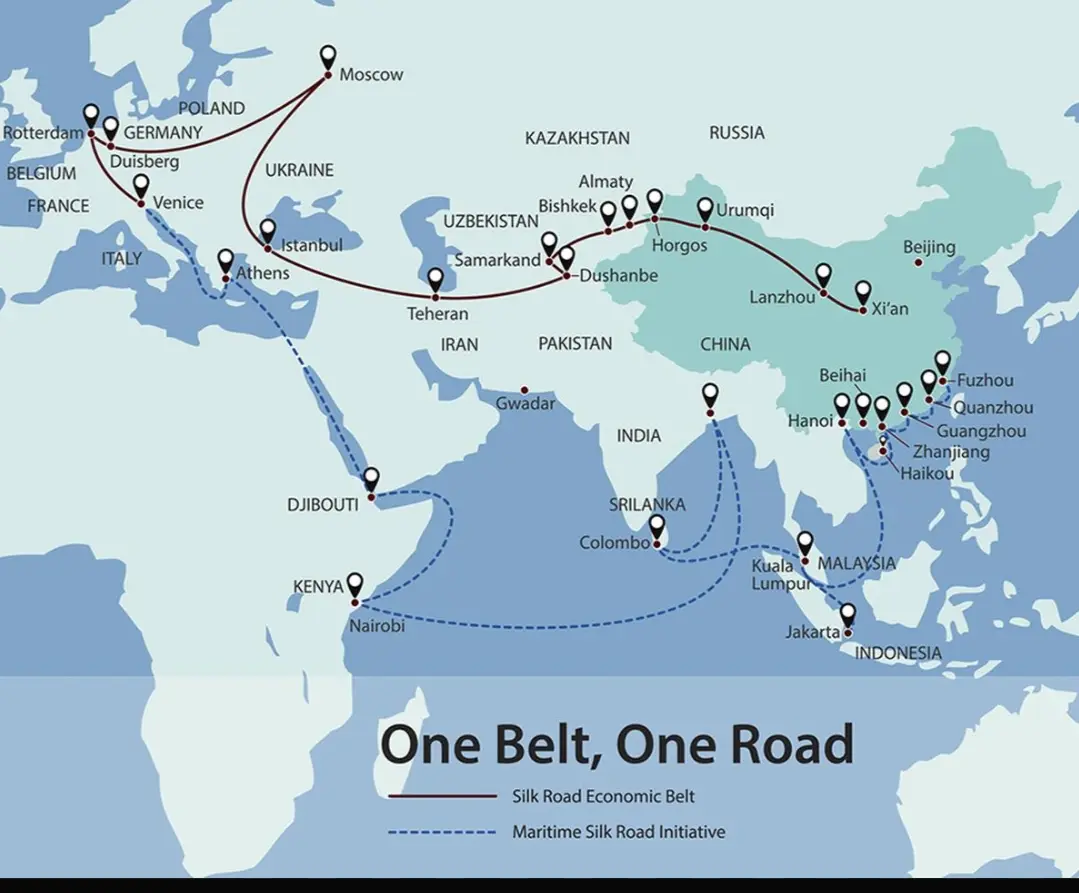
* Supply-chain security pillar – Heavy dependence on one source and route is just like a sword hanging over your neck during times of geopolitical crisis. The Malacca choke point is controlled by US-aligned nations (Malaysia, Singapore, and Indonesia). Deep-water ports through Gwadar (Pakistan), Myanmar (Kyaukphyu), and Central Asia allow China to bypass the bottleneck.
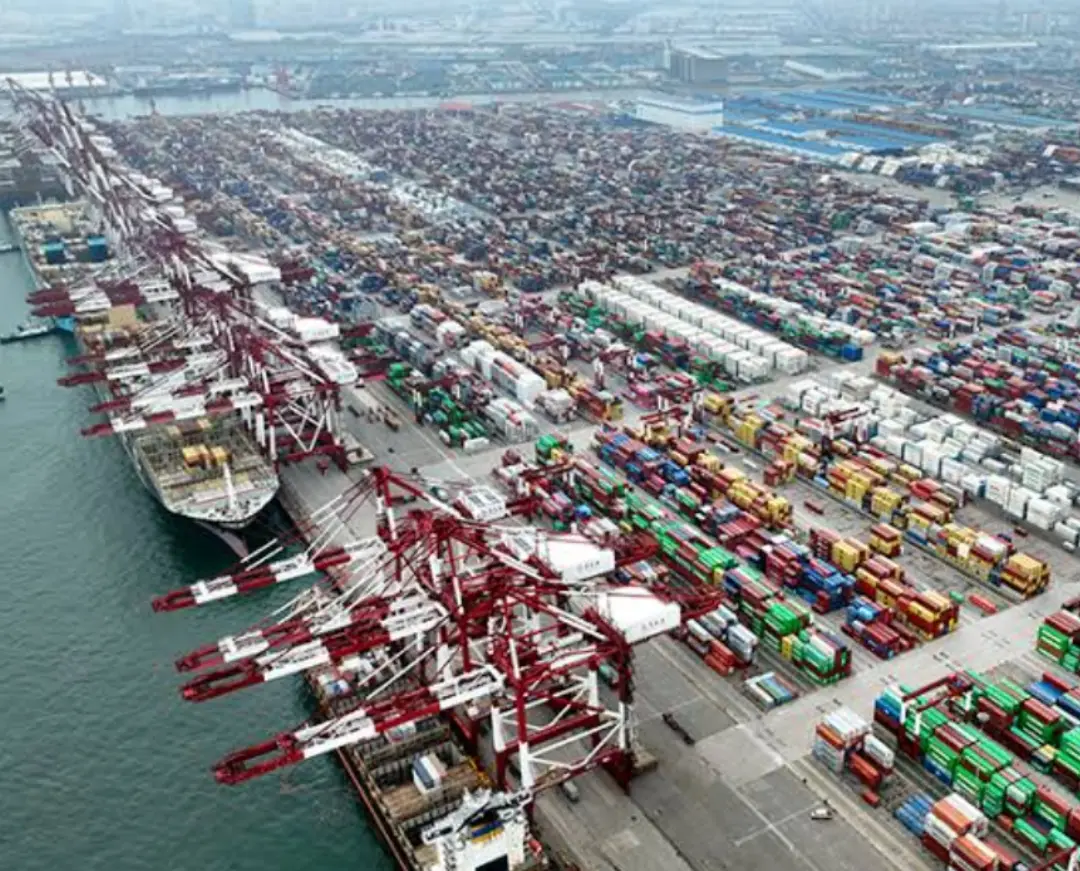
* Offloading Domestic Surplus –
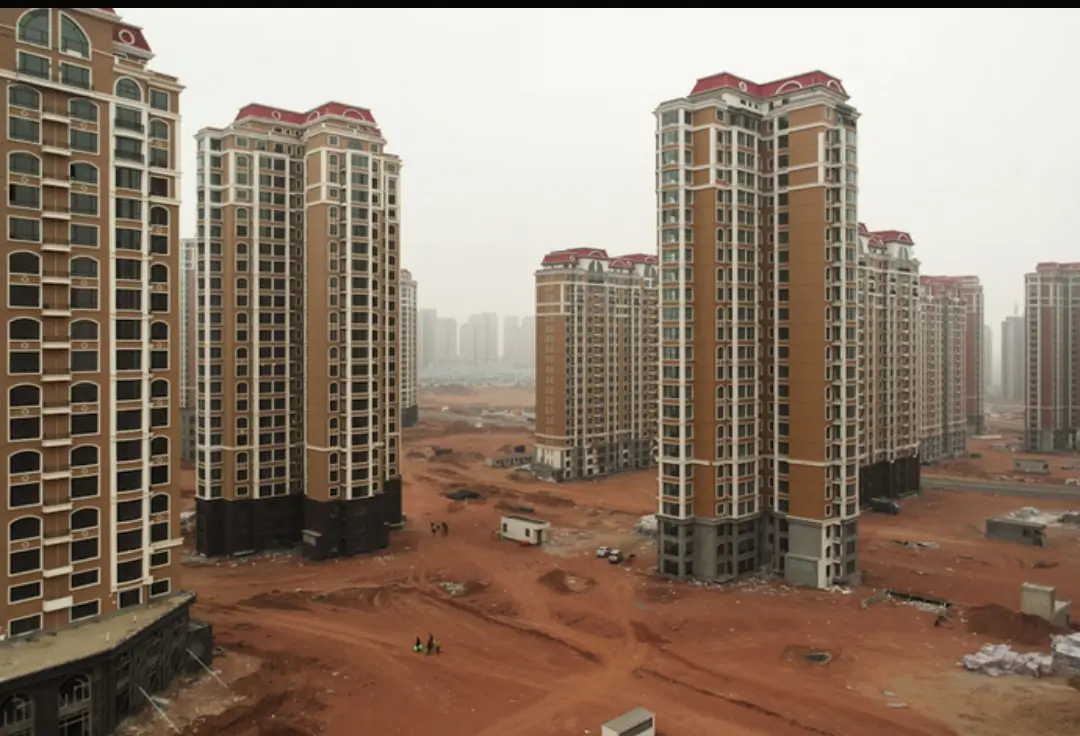
Before 2008, a large chunk of China's income was earned by exporting industrial goods like cement, steel, and ceramics to the US and Western Europe. After the financial crisis of 2008, the demand collapsed and China's factory ecosystem was on the verge of decimation due to unemployment and an accumulation of useless surplus. Thus, BRI and other multi-million-dollar projects were launched to divert this ecosystem, save jobs, and expand revenue in the cement, steel, and ceramic industries.
* 'Debt-trap' Accumulations –
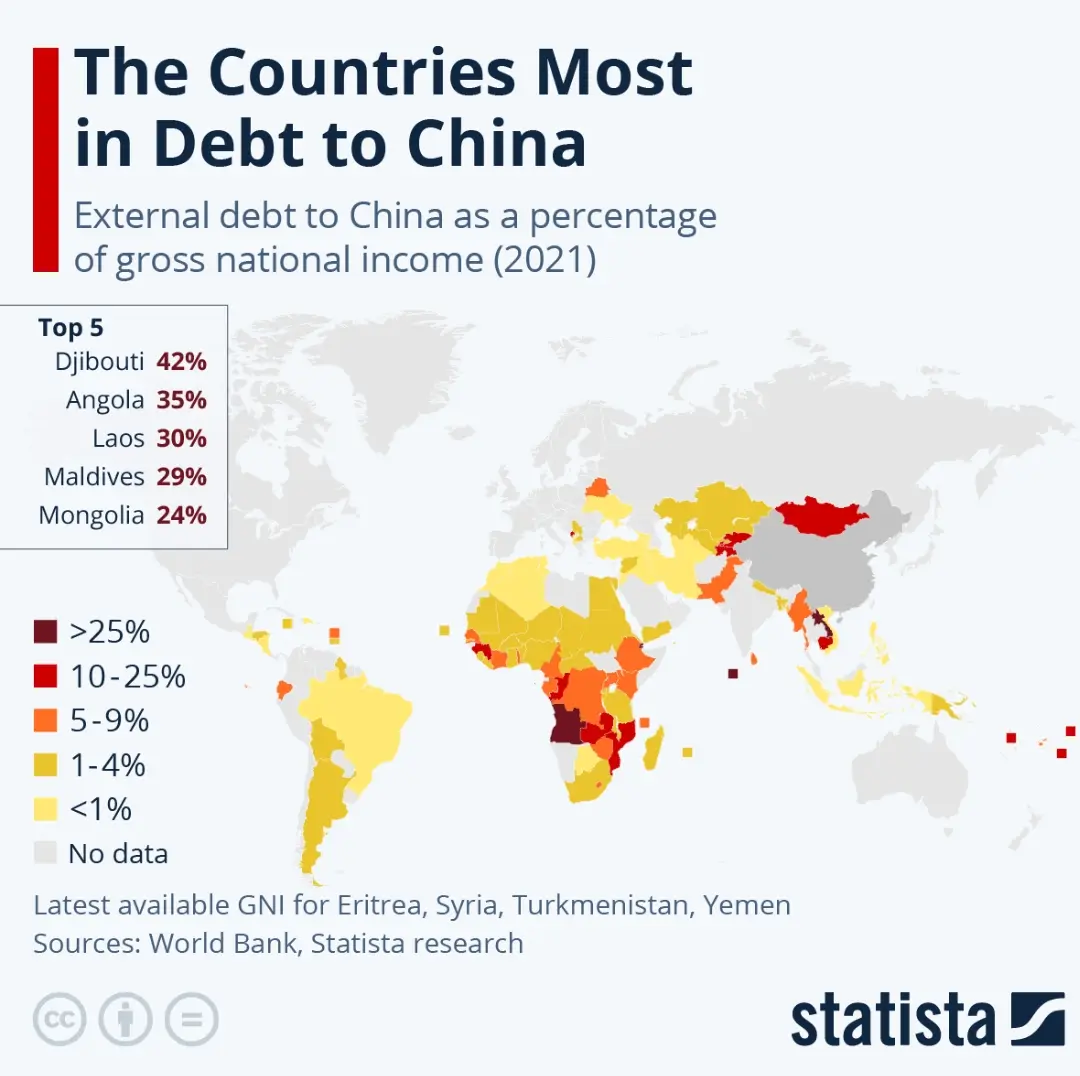
China has become the dominant creditor to developing nations. And these loans are lent at high interest rates. When these countries fail to repay the loans, they grant long-term concessions of strategic infra to China and are trapped diplomatically to favor China's interests.
* Dual-usage and Military footprint –
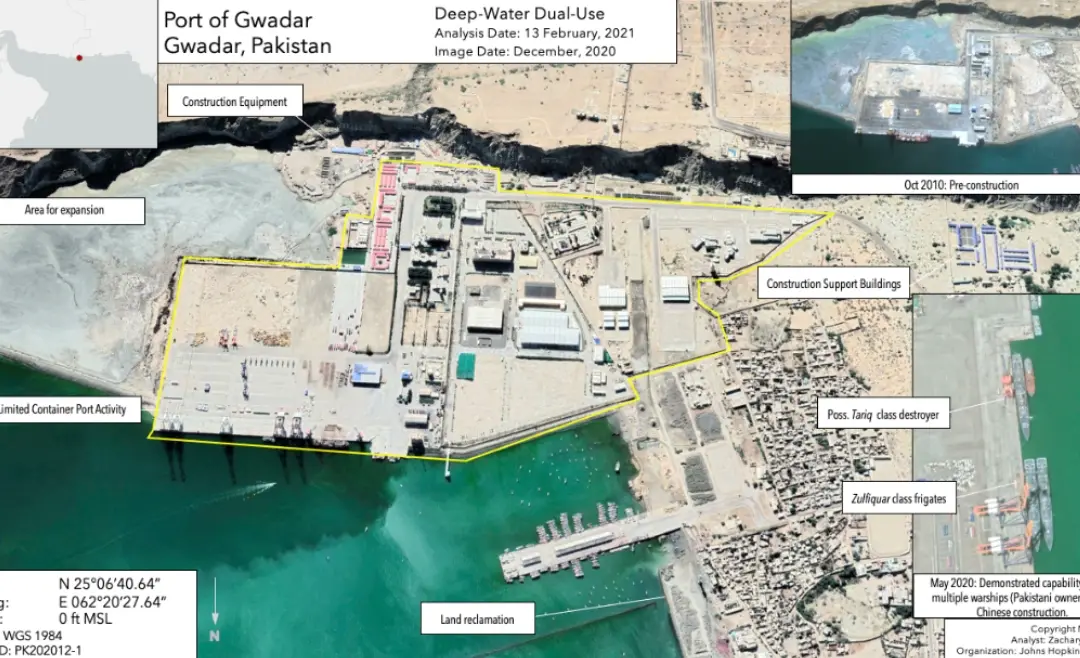
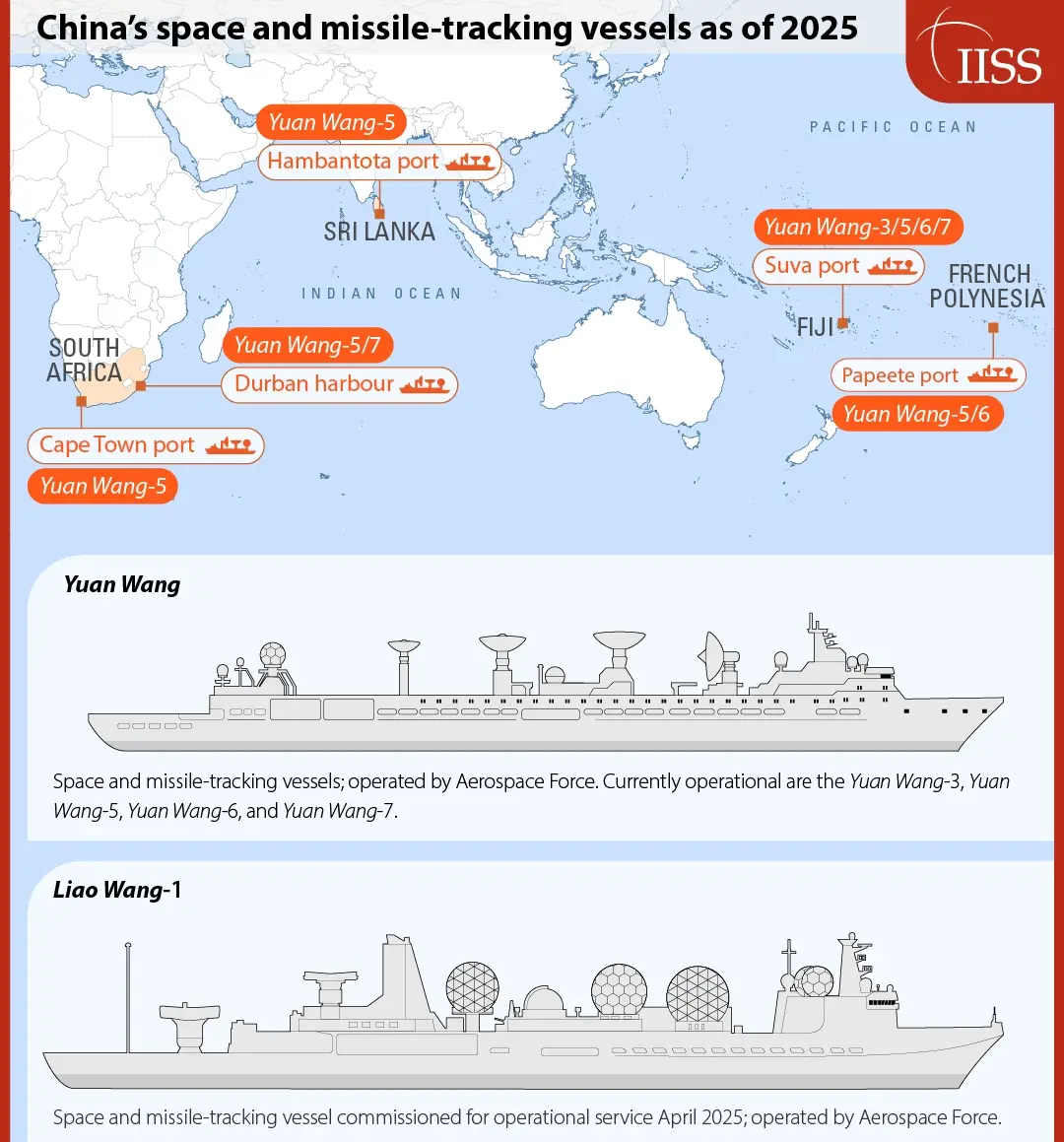
Deep-water commercial ports across the Indian Ocean in Pakistan, Sri Lanka, Djibouti, and Cambodia are built for dual usage, simultaneously handling trade as well as serving as military docks and launchpads for Chinese naval forces—a robust power projection for deterrence.
* Improving Renminbi Outreach and Alternative Financial Systems – Renminbi – China's national currency is now aiming to replace the Dollar in its sphere of influence, i.e., Asia. The SWIFT financial system that facilitates major monetary transactions is heavily dominated by the West and the USA. An alternate system like CIPS – Cross-border Interbank Payment System—means when people buy more commodities with Renminbi, it will empower the currency and entangle the economies of the world with China.
* Lastly – UN and foreign policy dominance –
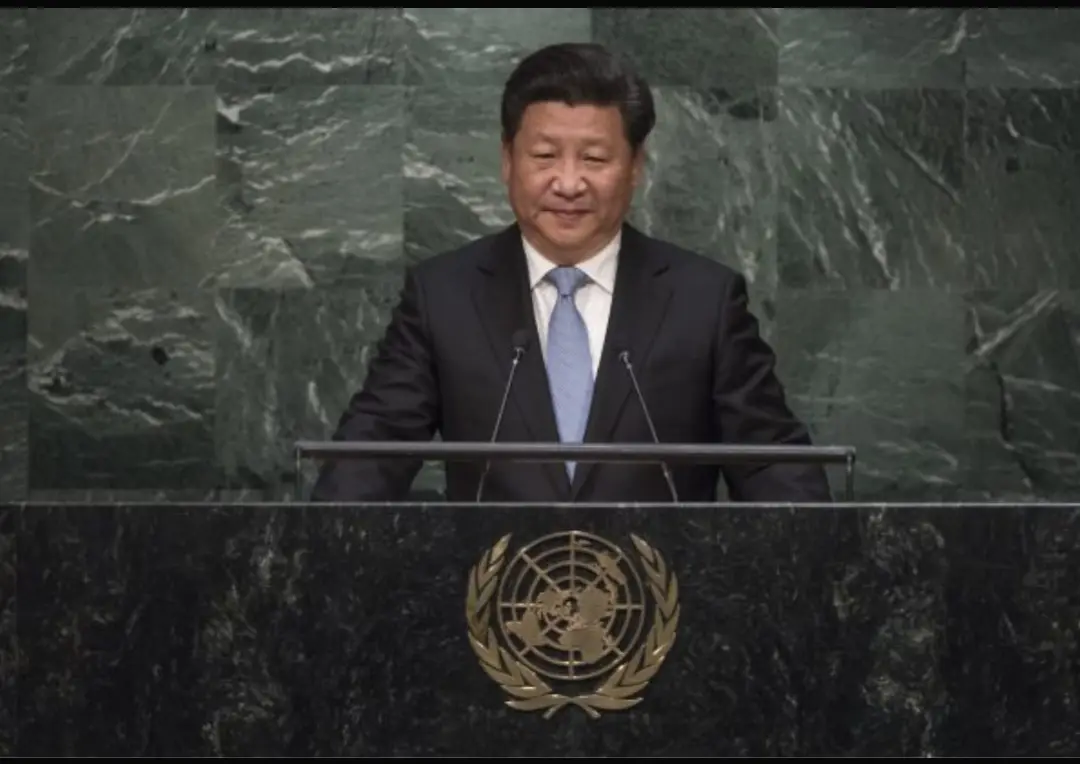
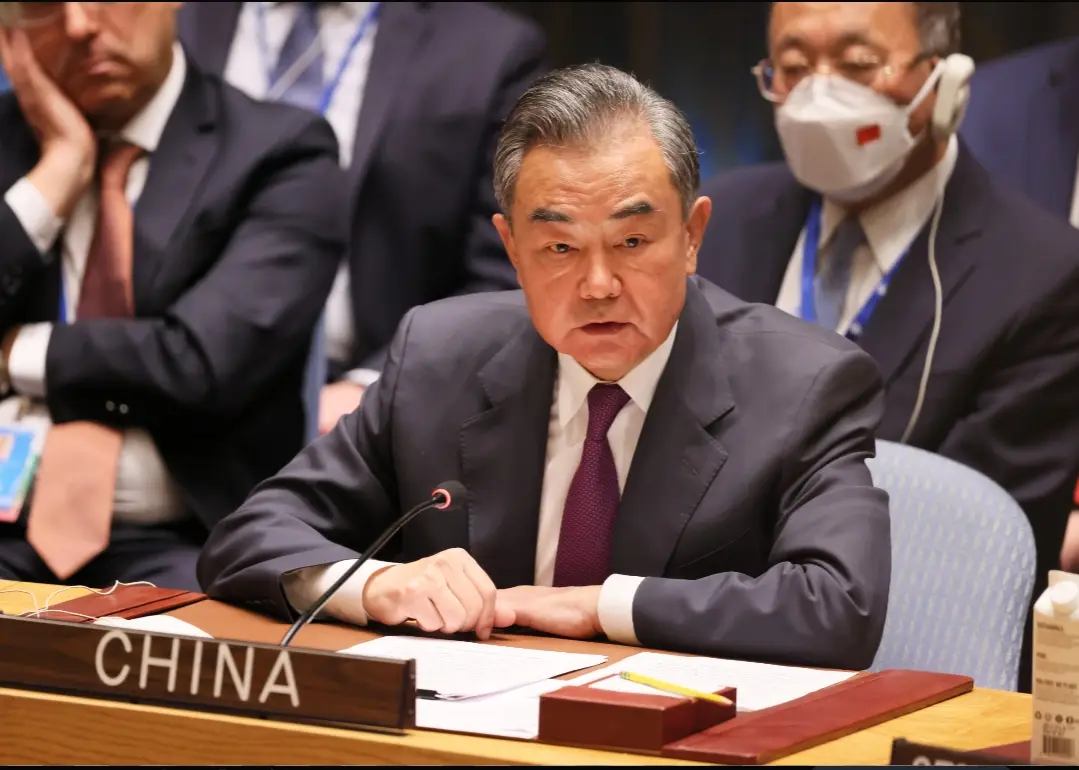
Chinese economic clout is weaponized to create a vote bank of countries at the UN that are heavily dependent on China in economic terms. Indirectly influencing the foreign policy of these countries, China gets robust support despite accusations of human rights violations and illegal territorial claims in the South China Sea.
So yeah, all in all, whatever it is, this is an absolute masterstroke. The scale and vision are something that countries can be inspired by, but growth should always be achieved on righteous lines and fair terms.
But as they say:
"No friends in Geopolitics, just allies and adversaries."
So basically:
"Everything is fair in love and war."
Indeed a heavy article, but I hope you will enjoy the read.
Stay in touch for more such doses of knowledge.
JAI HIND