 The Iconoclastic Society
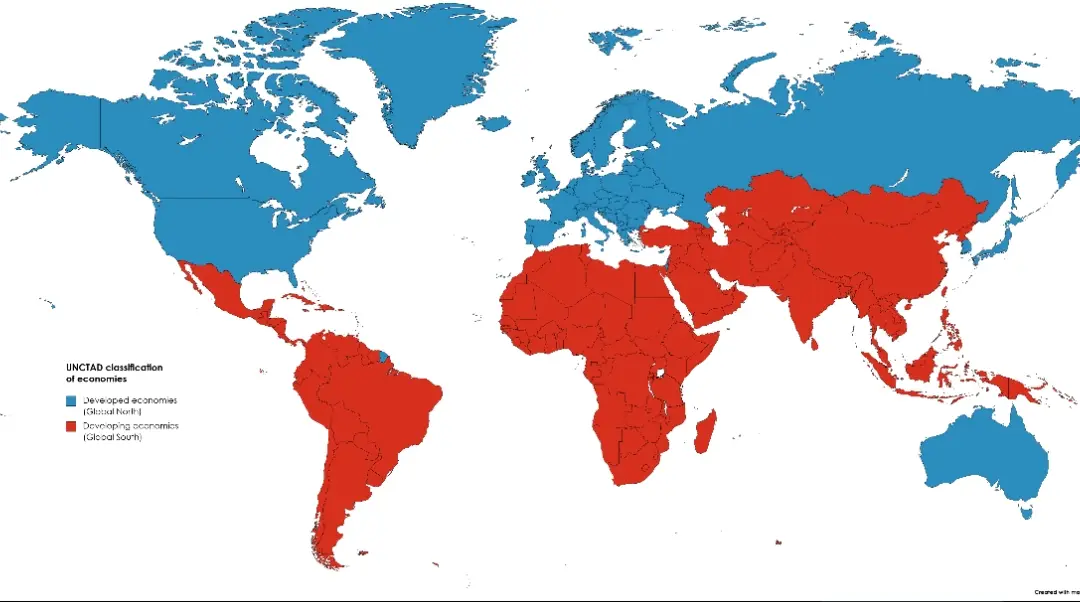
'GLOBAL SOUTH' - a term used for low-income countries, developing economies and with a shared history of colonial exploitation.
In layman terms, imagine a group of friends who have suffered from centuries of subjugation and now have been tied to each other by a single glittering and ambitious vision.
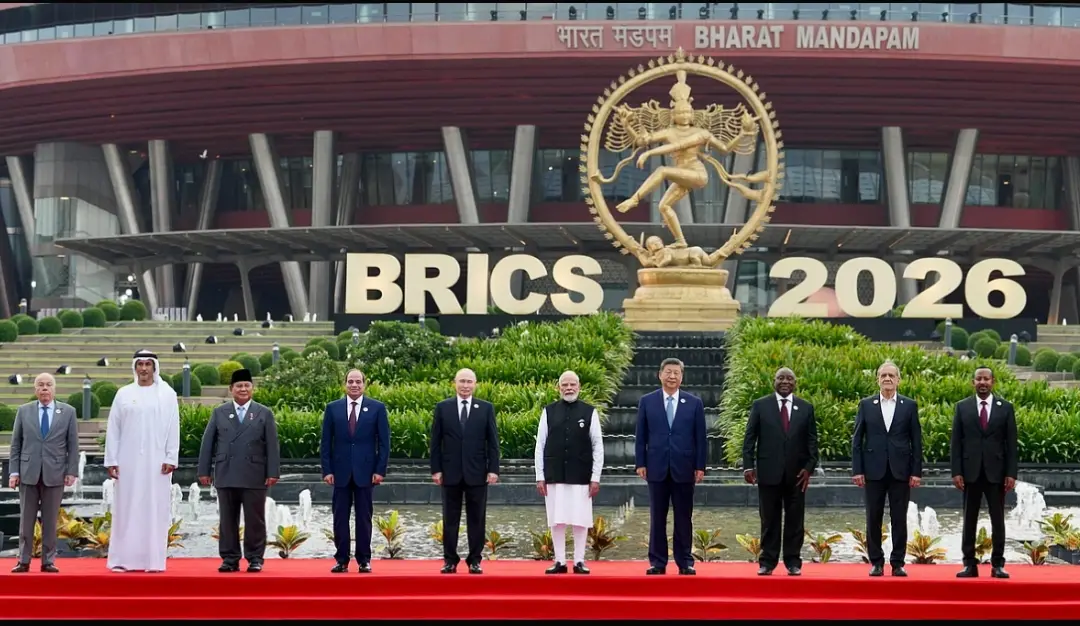
BRICS 2026 Summit has sent a strong message to the world, that this vision holds immense substance and can very well challenge the established world order.
BRICS consists of 11 full-time members with 10 partner members.
The members are countries from all across the Global South alongside the rising powers who are seeking a robust alliance to challenge American hegemony.
Brazil, Russia, India, China, South Africa, Ethiopia, Egypt, Iran, Saudi Arabia, UAE and Indonesia are the 11 core members.
The 10 partner countries include Vietnam, Malaysia, Nigeria, Uganda, Uzbekistan and Belarus.
You see the 5 core members — the OGs (BRICS) formed this forum for a medium of dialogue. Then it was just an informal economic alliance. But today the platform has become a voice for the global south.
Altogether it accounts for 49.5% of world population, 40% of world GDP and 26% of global trade volume.
The 2026 New Delhi declaration has achieved multiple wins across various diplomatic arenas.
Ok, too much bombardment is surely gonna confuse you.
The 140 pointer declaration is densely articulated with rich complexities.
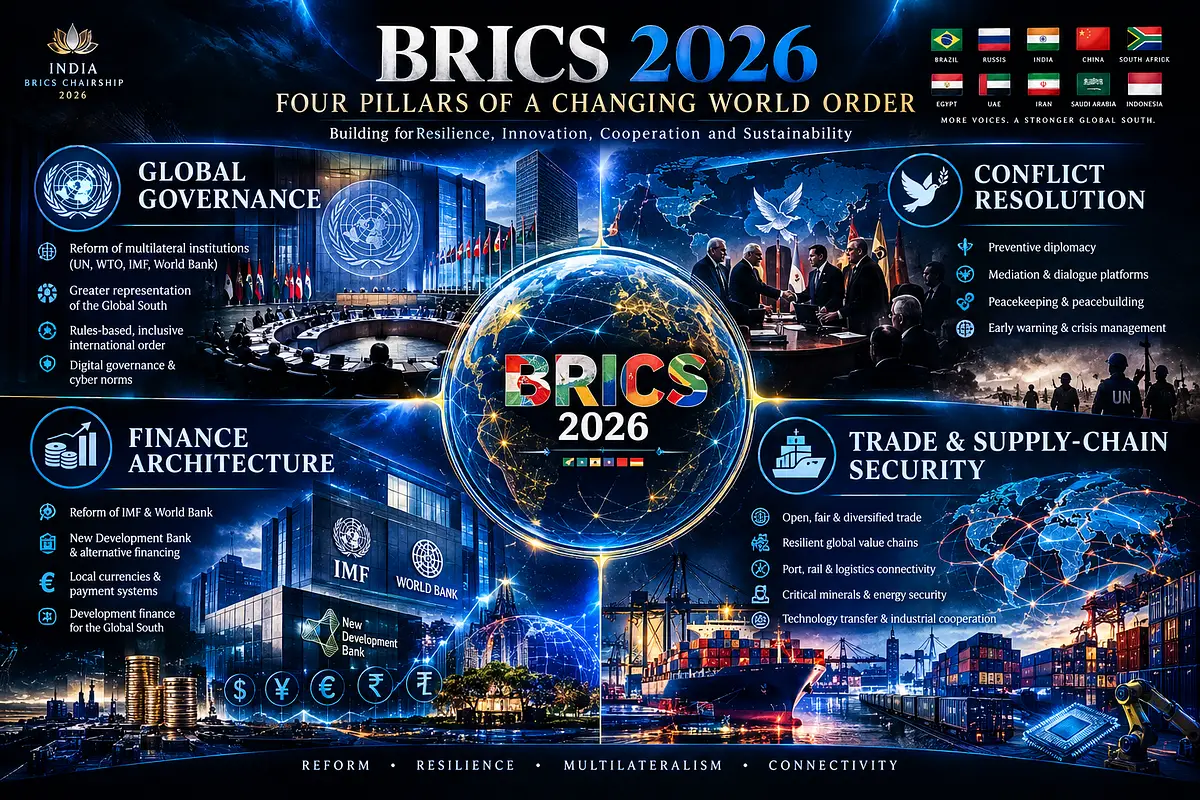
So, I will dissect the entire summit from a pragmatic lens in 4 core parts:
1. Global governance
2. Conflict resolution
3. Finance Architecture
4. Trade and Supply chain Security
§11. Global Governance
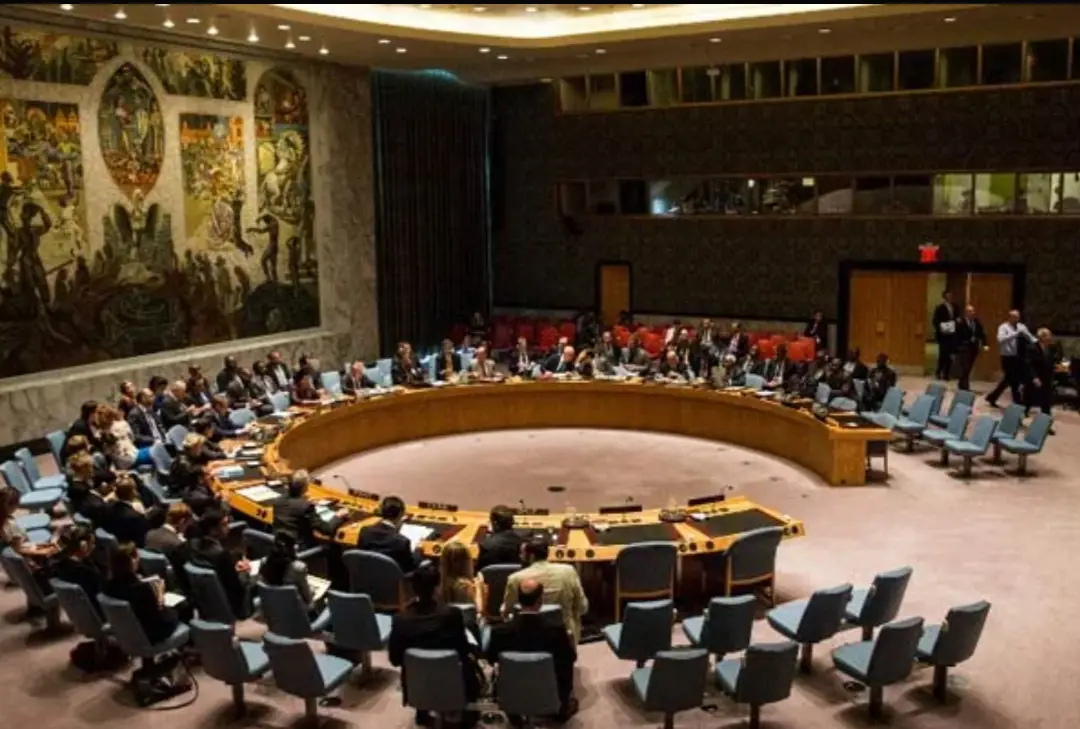
I. The Summit has raised its voice against the UNSC permanent membership monopoly. A push for increasing the number of seats for equal and diverse representation. India, Brazil and African countries propose for the expansion as together they account for over one-fifth of the world population.
II. Constructive Criticism for Bretton Woods Institutions (World Bank, IMF) to re-align itself to meet the monetary requirements of EMDEs Countries (Emerging Markets and Developing Economies).
III. Push for appointment of female candidates for the post of UN Secretary General has also been in the list.
§22. Financial Architecture
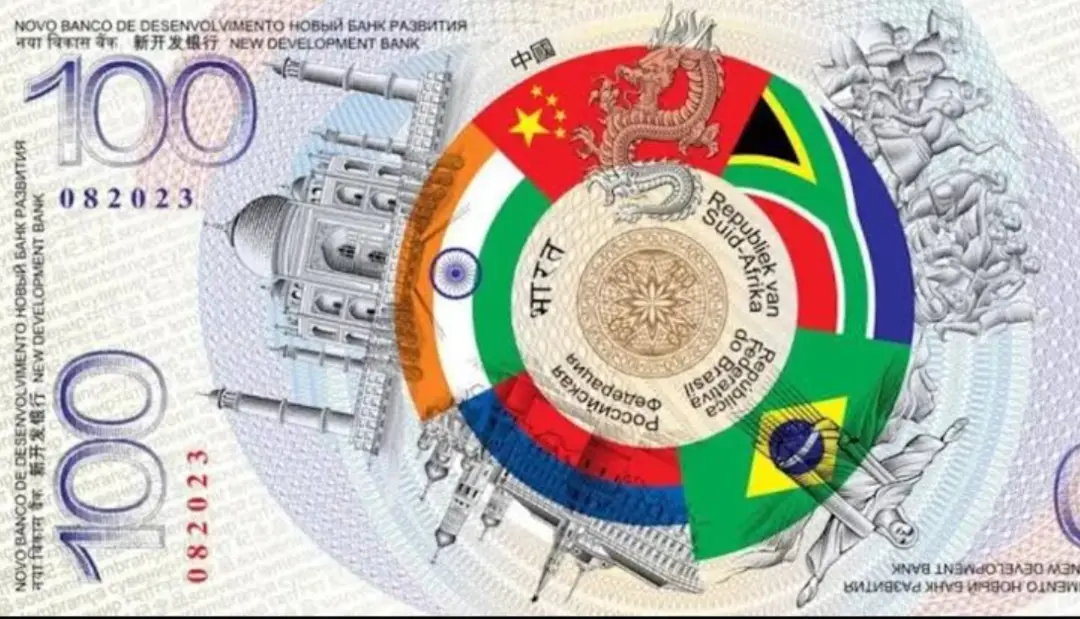
Basically deals in strengthening local currencies like INR, Renminbi, Rouble and others to insulate the members from external sanctions during wars and global economic crisis-like situations.
So, to be honest... the ultimate purpose is 'De-Dollarisation', the Global South is fed up from sanctions which are hampering economic growth.
I. A separate BRICS pay track to bypass the SWIFT payment system which is again dominated by the US and can be weaponised during times of conflict.
Ok so firstly what's this SWIFT Payment System - It is just like a Global UPI which conducts transnational monetary transaction.
Though the idea of a single BRICS currency got rejected, reduction in formalities and legal processes will ensure better foreign exchange between local currencies.
§33. Geopolitics and Global Security
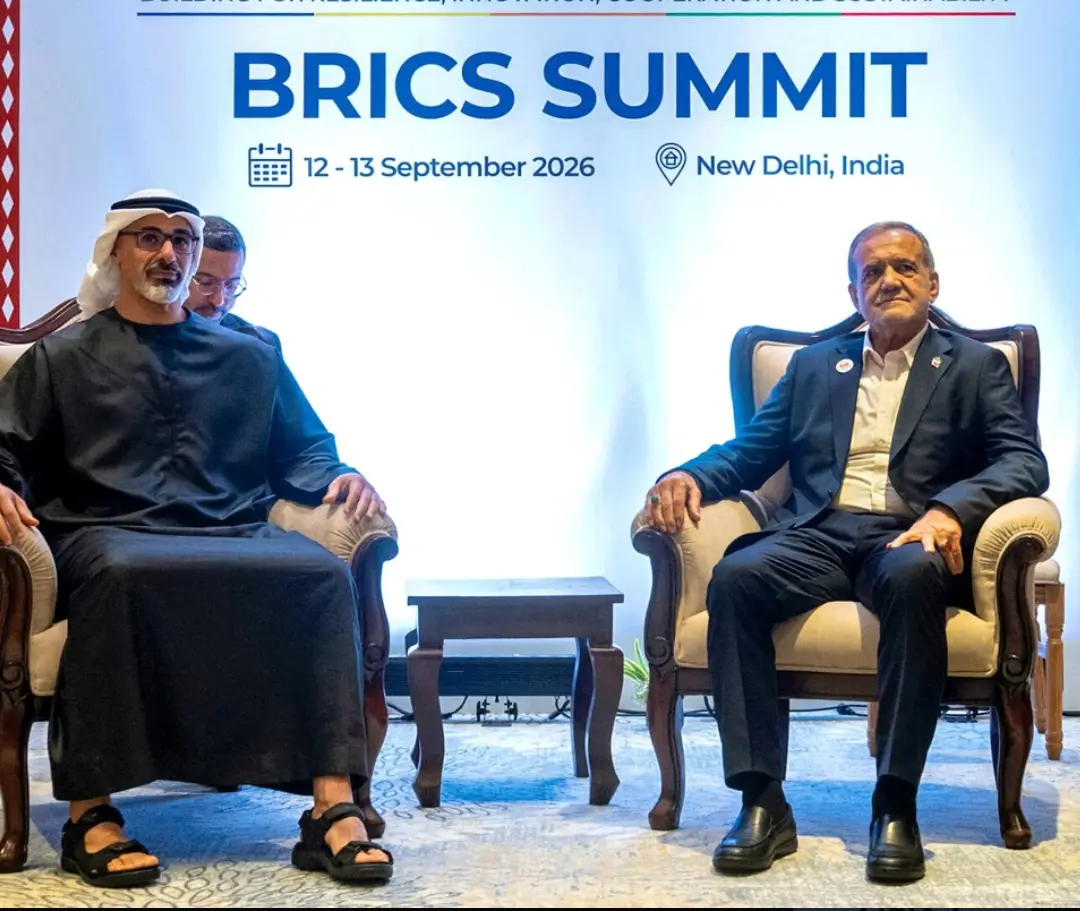
I. The Summit turned out to be a success at re-engaging warring countries for diplomatic dialogue and negotiations. All the member and partner countries agreed to uphold 'maximum restraint' to reduce bitter conflicts that ultimately hampers economic ties between member countries.
II. Bringing Iran and UAE to the table for talks and negotiations was pivotal. A few days back Iran had bombed American bases in the UAE during the ongoing Middle East conflict.
III. Protection of sea-farers, merchants and traders was also a point of concern raised during the Summit. As they have a key role in carrying out commercial activities between the member countries, any threat to their lives will directly affect business and trade volume.
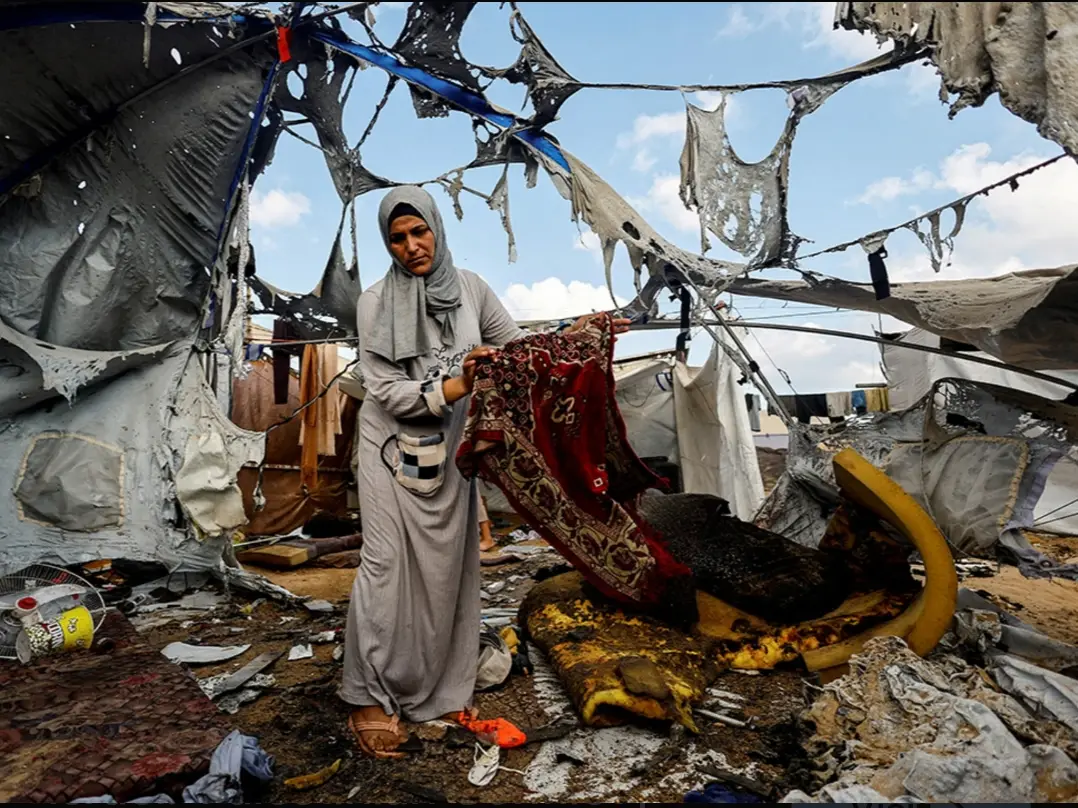
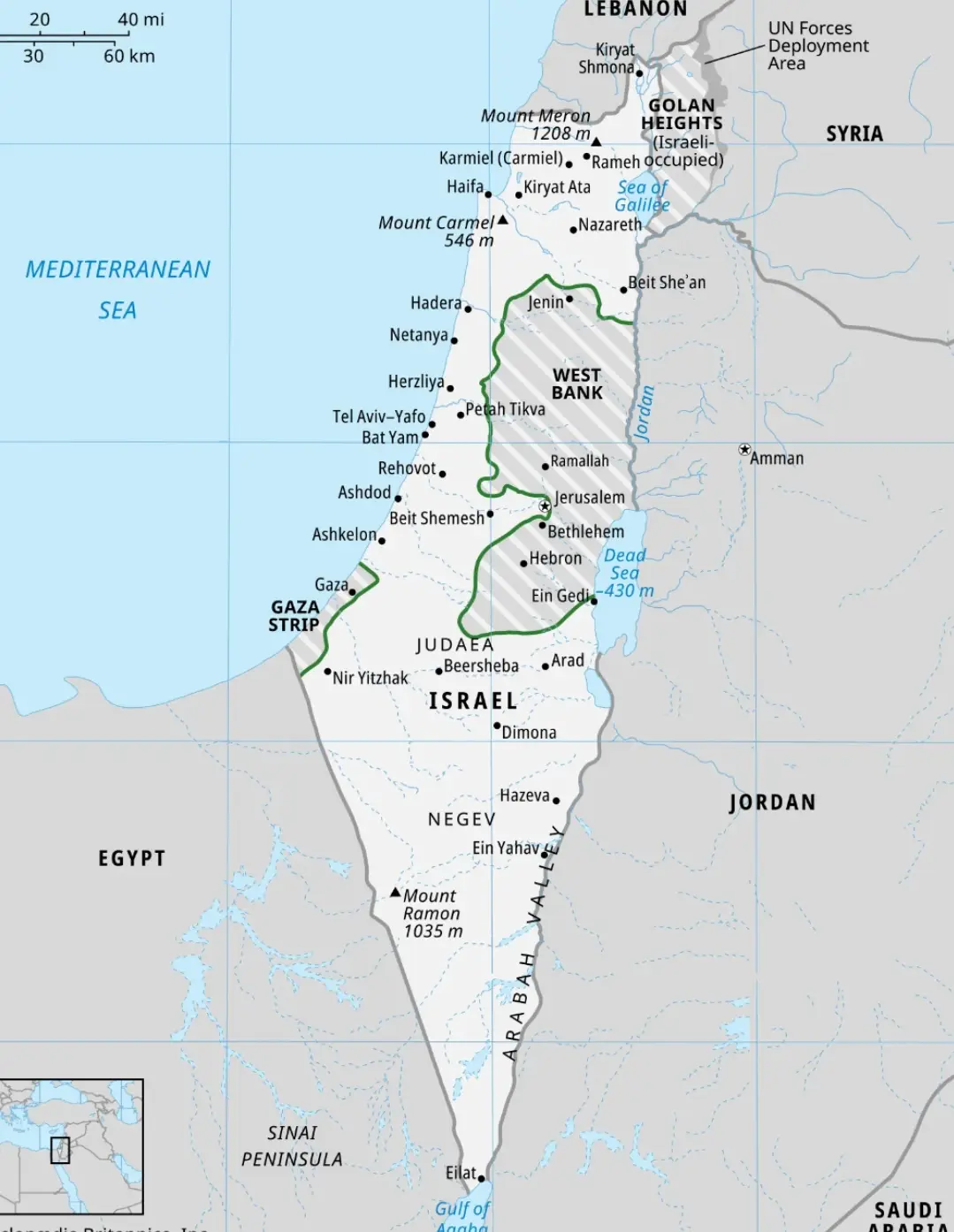
IV. Full-scale humanitarian aid to Gaza and a support for the 2-state solution of 1967 was proposed where East Jerusalem had be the capital of Palestine.
V. The Russia-Ukraine conflict wasn't discussed during the Summit. Experts do believe that it was a diplomatic move from the Indian side to prevent discomfort for a major partner country like Russia.
§44. Trade Policy and Supply Chain Security
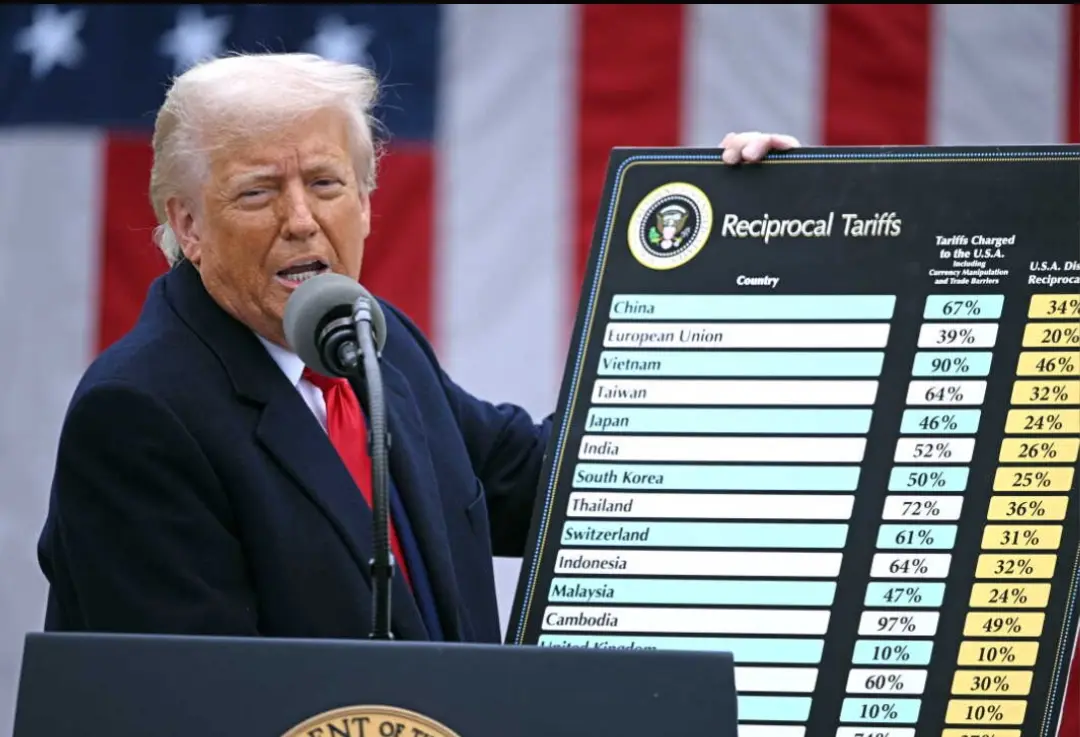
I. Unilateral sanctions in the form of tariffs were collectively criticised by all member nations. Again it was aimed at condemning American activities and President Trump's strategy of inflicting damages via trade wars during a crisis-like situation in the current times.
II. The CBAM (Carbon Border Adjustment Mechanism) was called into question for hampering economic ties of BRICS member nations with the EU.
So what's CBAM — in simple terms it's a pollution tax that is levied by EU countries on goods that are manufactured by burning fossil fuels e.g. Steel, Iron, Aluminium, Cement and Fertilisers etc.
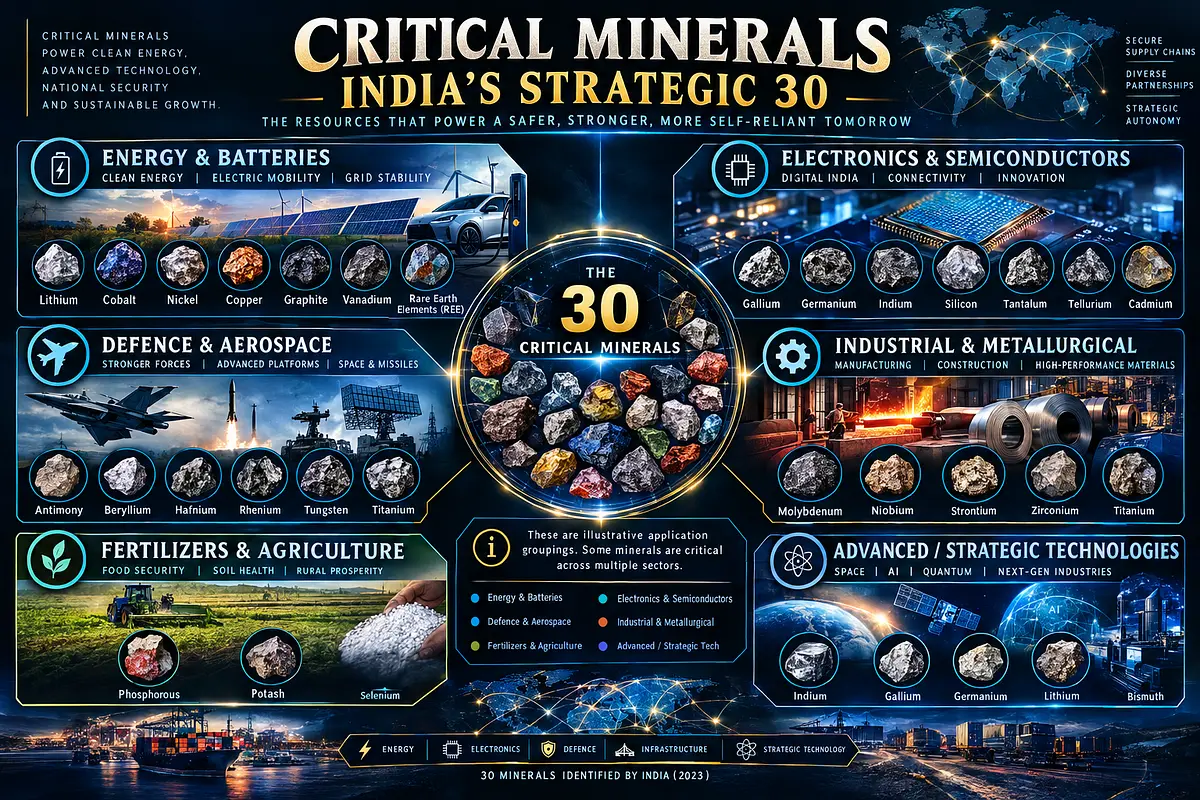
III. Under the initiative of BRICS Economic Partnership 2030; Securing Supply Chains of Critical Minerals like Lithium, Cobalt, Nickel, Graphite, Manganese, Copper and REEs (Rare Earth Elements) for energy transition and digital infrastructure that was agreed upon by partner countries.
IV. An Independent BRICS Grain Exchange Platform was devised to secure agricultural stability during times of natural calamities like floods, droughts and famines.
It will also help to build cooperation in areas of:
A. Agroecology – Analyses interactions between plants and animals by integrating it with the farming system.
B. Aquaculture and fisheries – studying maritime ecosystems for fishing practices.
V. The "AI for All" point was collectively proposed to strike a balance between growth of AI systems and ethical practices. The crux was that AI should neither be weaponised nor be used in a way that leads to cyber crimes and other malpractices.
VI. A BRICS Science and Research Repository was also launched that will facilitate transfer and sharing of critical data on quantum computing advancements.
The Repository will also help to adopt the INDUSTRY 4.0 transition – where AI and automation will be integrated to the manufacturing sector. This will boost productivity and efficiency for a robust industrial ecosystem.
That's it for the BRICS Episode. We have discussed all the major progressive steps taken for the Global South as a whole.
In the next episode I will explain it from the Indian perspective. How BRICS 2026 was a win for India on various fronts.
Tap to read The Russia-Ukraine Episode