 The Iconoclastic Society
A few years back, in my days at the RIMC, a Two-Star General had blessed our institution with an insightful guest lecture. As the trend goes, many of the heads were dozing off because most of us had a very tiresome day. But, with me, the case was different. The topic for the evening actually tickled my fancies and kept me awake throughout, despite a tiresome, charged-up hockey match just before the lecture.
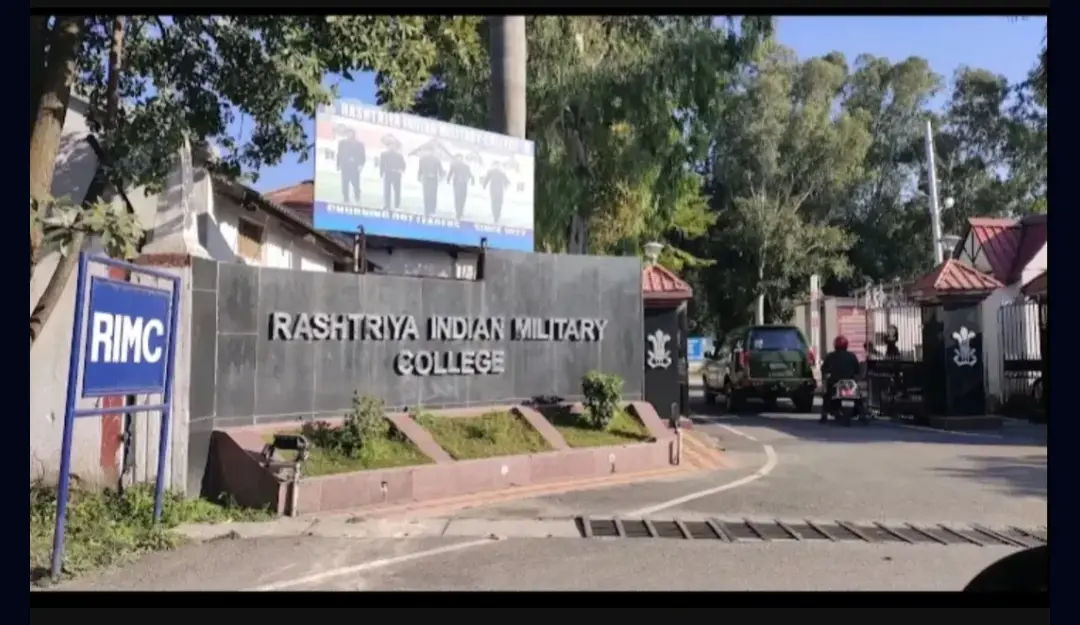
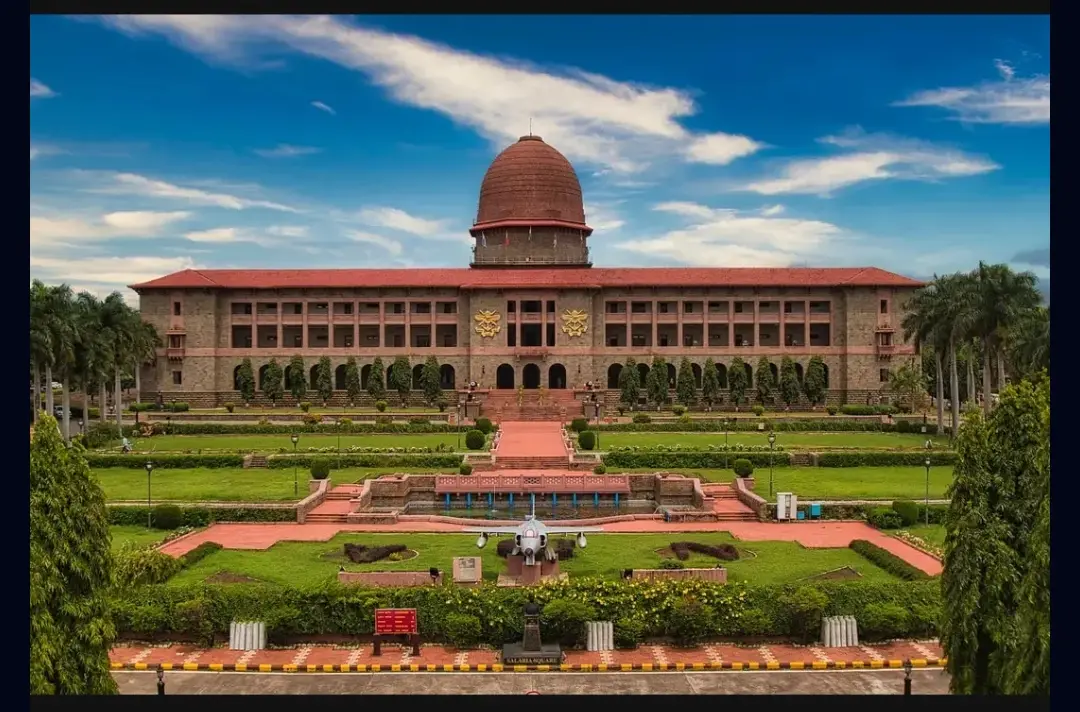
(I was formerly a part of this institution but left early to pivot towards a different passion)
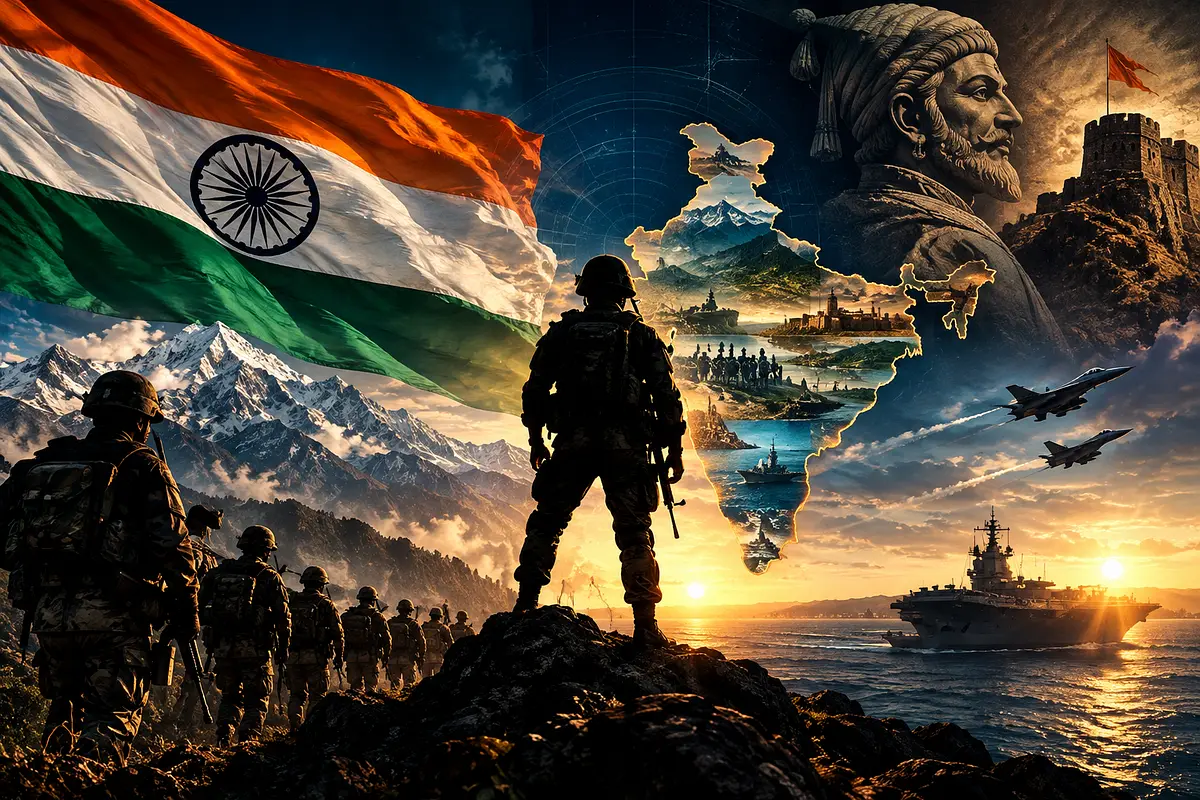
He told us that "A Great Nation must have a Great Army," and gave all the necessary justifications. He delivered examples of countries around the globe, be it Bhutan, which is tangled with India for its basic weaponry, or the Nordic countries, which are intertwined with NATO to safeguard their boundaries.
Somewhere, it didn’t go well with my mental calibration. I stood up and immediately questioned him: despite these nations not performing well in the aforementioned point of discussion, they are still ahead of India in several parameters, be it HDI, quality of living, press freedom, and other socio-economic criteria. I thought, "What will we do with a nuke or by accumulating some random intel of space and cyber-warfare if still a large proportion of citizens of this country go to sleep with a hungry stomach, with no roof on their heads, with no school for their children, and no clean air to breathe?"
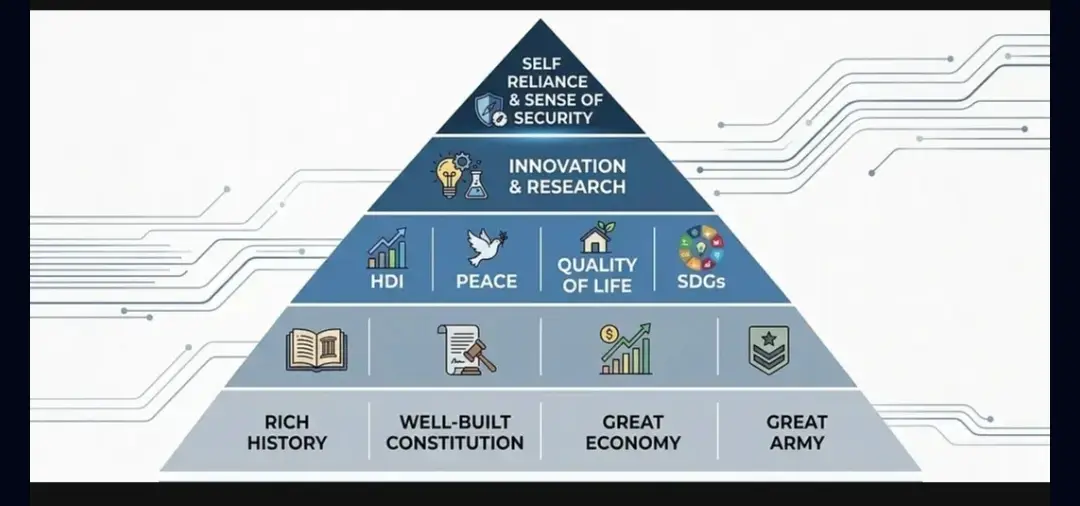
I actually couldn’t be given a strong response to my question, but as the years passed, I observed the dynamics of global oscillations all around the world—from Europe to the Middle East and to the Indo-Pacific. I finally realized that all these hallmarks of good governance had a very feeble foundation in the pyramidal structure. All these tags earned by countries could be stripped off very easily. It’s just a matter of a few hours or minutes.
It just takes one calamity, one invasion, or just a nuke to deprive them of all these tags that they have earned through their good governance. All of them are dwelling with a sword hanging over their heads. They are not "Great Nations," though they are good models of governance. Unfortunately, all of it is just ephemeral in nature.

India achieved Independence in the year 1947. Not long ago, there was a time when this nation was dwindling with impregnated complications and multiple colonially orchestrated crises. At a time, we were suffering with a weak political and global stature, with high poverty, insurgency, illiteracy, food grain insufficiency, and much more.
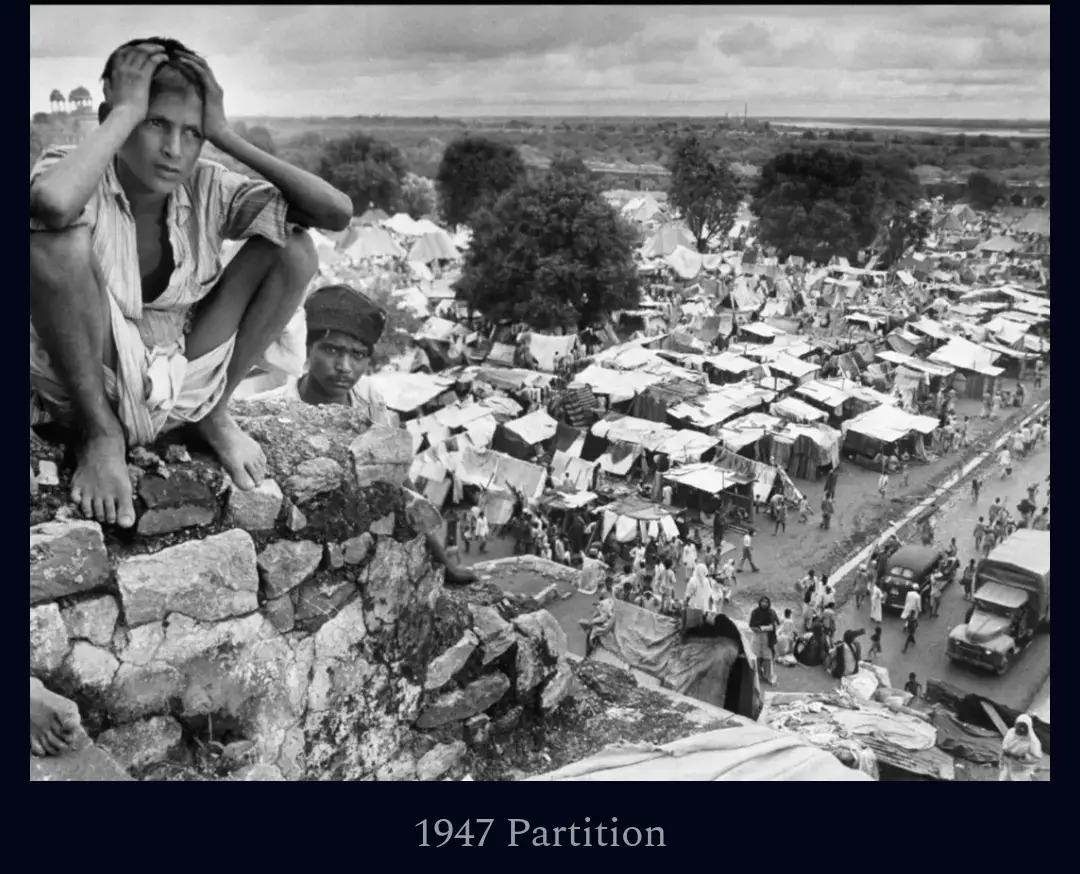
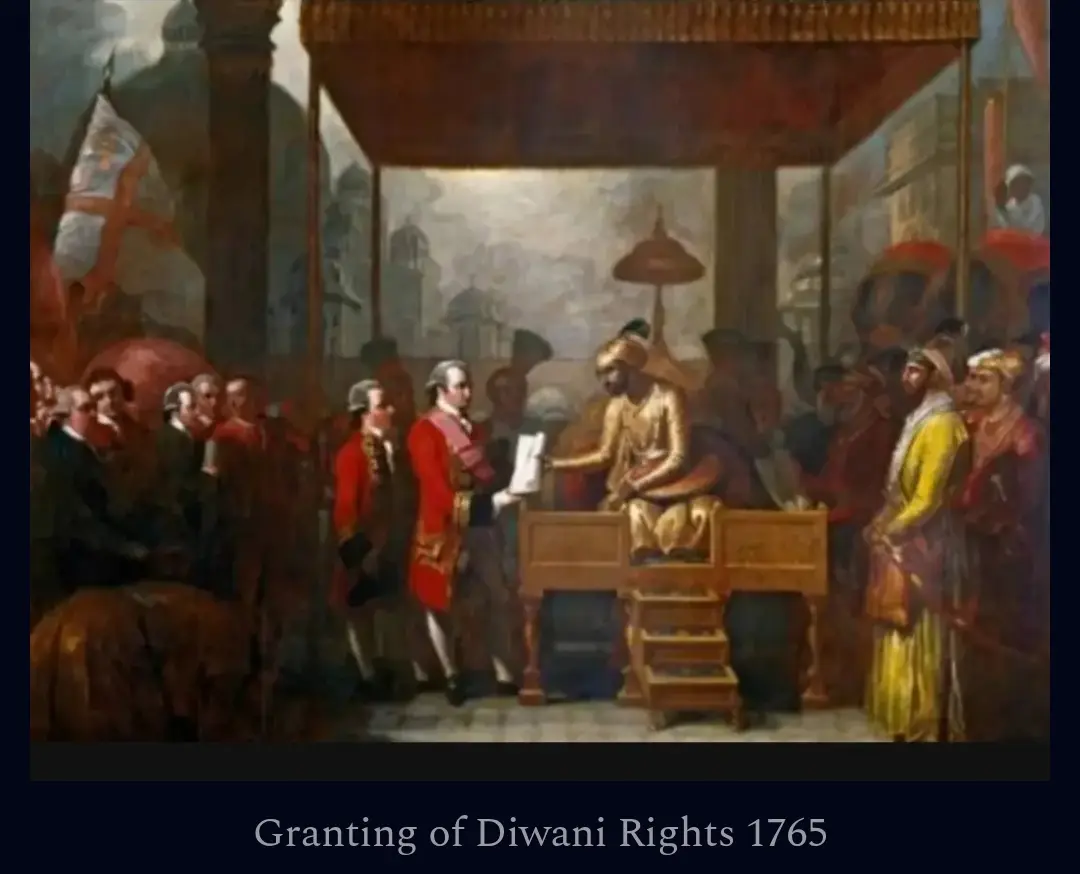
Today, the landscape is entirely different.
A Great Army is simply a permanent life insurance cover for a country. It builds trust, pride, and "A SENSE OF SECURITY." A Great Army is a testament to National integrity—an institution tested multiple times by adversities. Victory in a war has its own economic and social costs, but it gives a message to the world that a nation can remain strong, resilient, and reliable as a community, including the non-armed citizens. It makes it dependable and revives its global stature.
A nuke may not have the ability to feed a stomach, but it has the power to ensure that no one dares to snatch the morsels from the hands of millions.
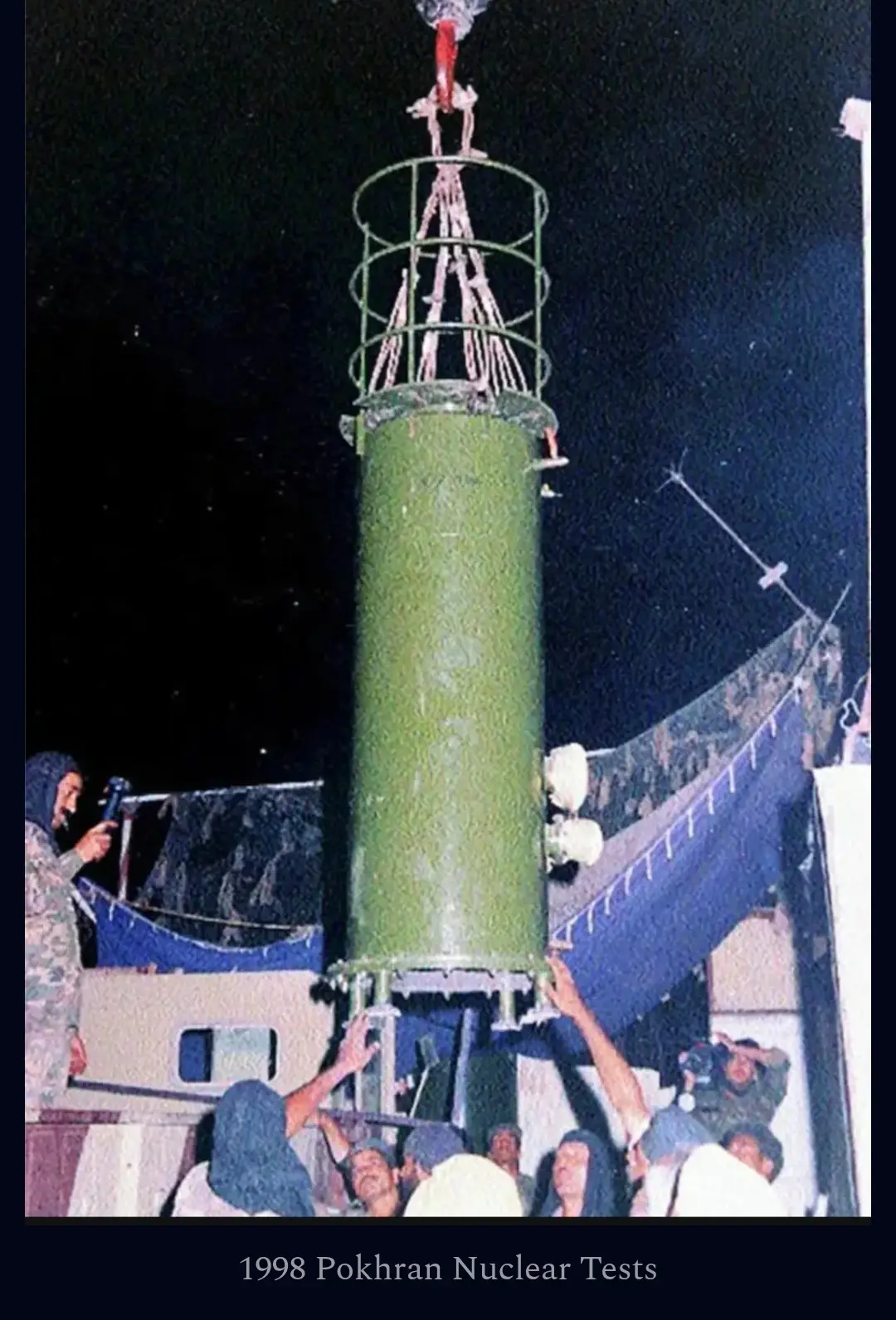
The concept of stability is indeed built on a framework of a sense of security. A Great Army consolidates sovereignty and propels a strong projection in international spaces. A disciplined Army safeguards the constitutional framework and helps to build permanent solutions to several issues. Four wars with Pakistan and one with the Chinese have taught us priceless lessons which couldn’t have been learned with peace for centuries.
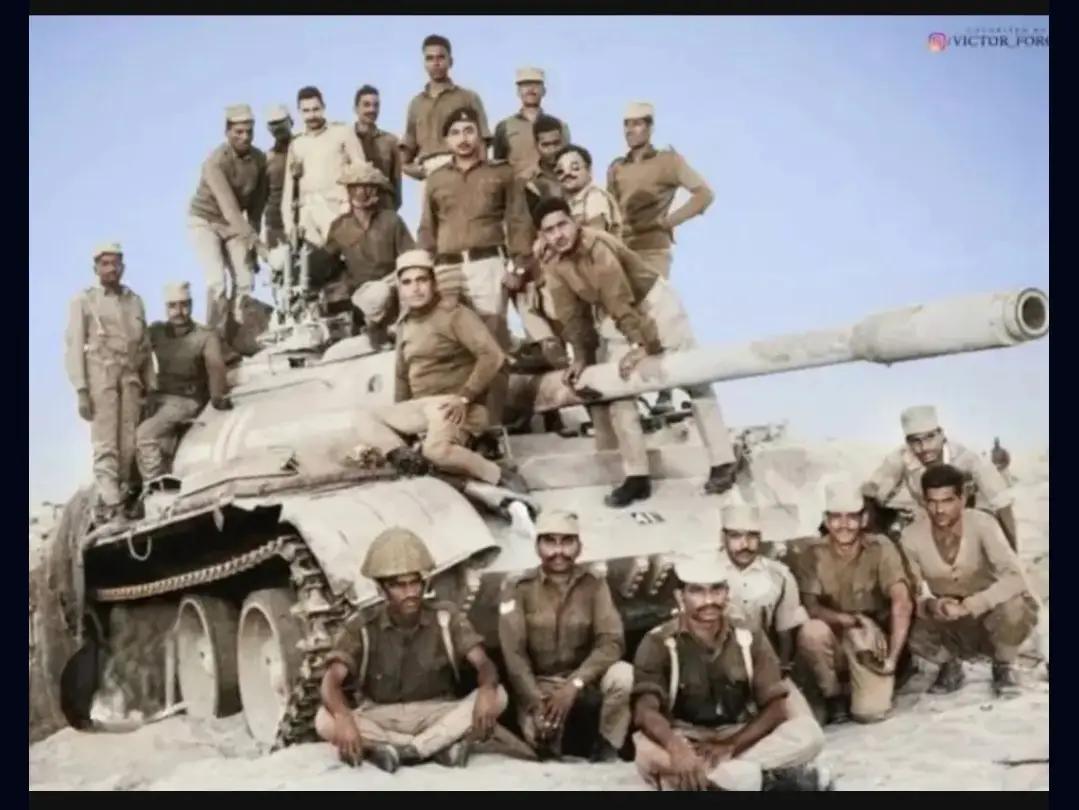
The Mother of Democracy has a long way to go. The impact from the wars was raw and real. India has indeed got an incredibly great Army. Lastly, with a pyramid of priorities: