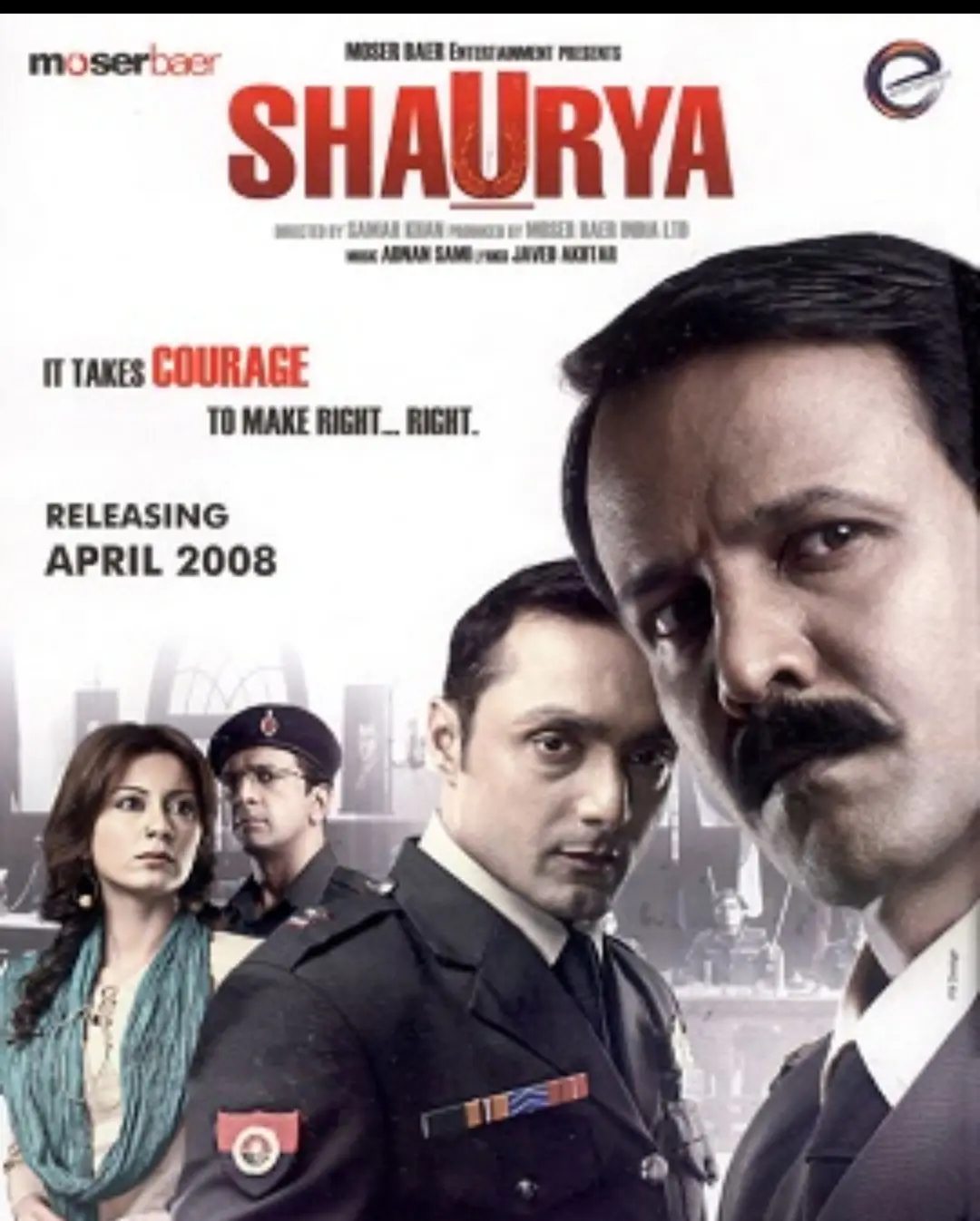
Shaurya: The Hero Within
It takes courage to make right, right
 Brahma Swarup Das18 Jul 2026 · 5 min read · 3 figures
I recently watched the movie *Shaurya*. After completing the movie, I was in a state of deep contemplation mixed with a fading sense of oblivion. It is the same movie in which the scenes of the prime antagonist, Brigadier Pratap, are glorified all across social media. Notwithstanding the phenomenal performance delivered by actor Kay Kay Menon, his role was actually supposed to make people understand that the cosmic traits of chivalry, courage, and bravery are not confined to parochial parameters like religion, faith, and inheritance. Unfortunately, it has triggered the opposite: a perpetual hatred towards other faiths and a widespread phobia due to minimized cognition and empathy in society.
I came across a headline in *The Indian Express* today. It quoted the words delivered by the de facto elected head of an Indian state. He said:
“Only those who marry once to have legal right to live in MP. If Ram marries only once in his lifetime, why should Rahim be allowed to marry thrice?”
It seems quite abysmal to see the chief minister of an Indian state use such communal analogies to enforce a law like the UCC, which requires a civilized, educated, and systemic approach. Nevertheless, communal politics is a separate topic of debate to be covered some other day.
Let’s get back to the movie *Shaurya*. The character arcs of Captain Javed, Major Rathore, and Brigadier Pratap each have their own stories to be narrated. The character of Brigadier Pratap represents orthodox, old-school patriotism and institutionalism coupled with historic trauma and hatred. The life of Major Rathore depicts the pawn who unconditionally obeys his superior to gain personal benefits through awards, promotions, and postings, irrespective of the facts being committed being morally wrong and tarnishing the very ethos of the Indian military.
On the other hand is Captain Javed, a highly accomplished young officer who has been a very high-performing but reticent individual from the very days of the academy. The irony is that each one of these officers is a highly decorated individual if measured in terms of medals and ACR reports: from Brigadier Pratap, with elite expertise in counter-insurgency operations in the valley alongside a very honorable post of commanding a Rashtriya Rifles unit, to Captain Javed, an academy gold medalist in shooting with a Sword of Honor in his name.
So, who is more courageous amongst these three characters? Is it Brigadier Pratap, who in the name of national security was ready to wipe out an entire race; Major Rathore, who tried to follow the instructions of his superior at all costs; or Captain Javed, who had the spine to shoot his senior officer at point-blank range to guard the eternal values of morality over institutional protocols—despite being aware that this very act could lead to his dishonorable discharge from service and a death sentence on grounds of treason?
Who do you think should get the ultimate crown of *Shaurya*? If we just look at the surface, the verdict might look quite confusing and chaotic. But if we look into their life histories from a non-partisan cum pragmatic lens, then it will be highly discernible. Brigadier Pratap's life is dotted with extremely tragic events. His own servant, Jamil, who was like a family member, committed brutal acts of rape and murder against Brigadier Pratap’s wife and daughter in his absence during the communal riots in Delhi. This gave a huge emotional blow to Brigadier Pratap, and it is viable to see how such a ruthless and barbaric event can force anyone’s conscience to believe that integrity and commitment towards duty to the nation is restricted to only a certain race of people. But at the same time, it is absolute cowardice to let personal tragedy dilute professionalism and the very ethos of the Indian Army.
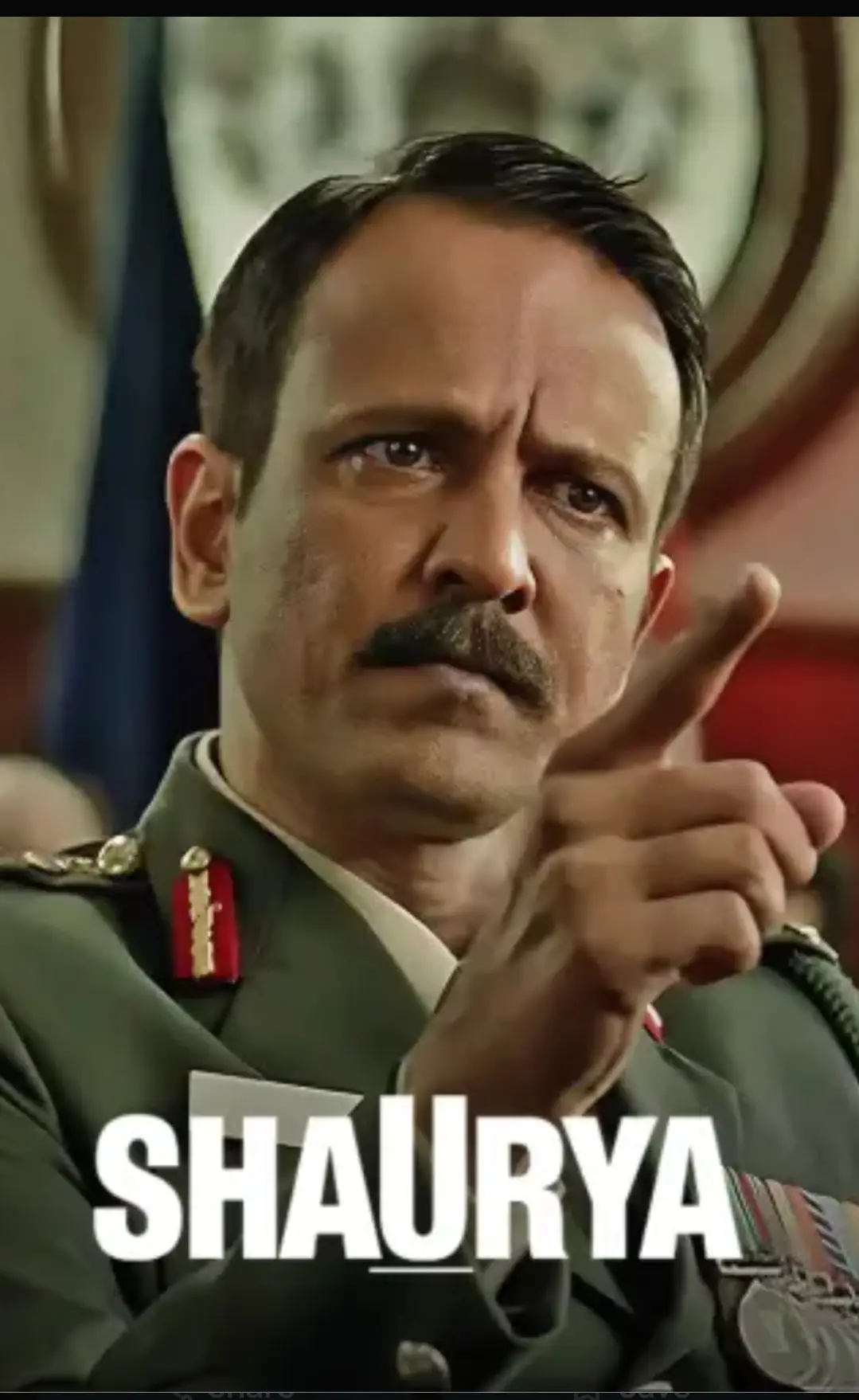
The reality was that his very desperation to safeguard national security was backed by a prolonged sense of hatred towards a community. What about Major Rathore, who was just following orders to strengthen his stature? Well, his very urge to adhere to the protocols was coupled with greed and corrupt aspirations. His desire to maintain a clean ACR and earn medals forced him to agonize and kill innocent people. Whereas Captain Javed, who was himself a good officer and a staunch believer in institutional ethos, decided to defy all rules to abide by the very oath of the Chetwode Credo in its purest form:
“The safety, honour and welfare of your country comes first, always and every time.”
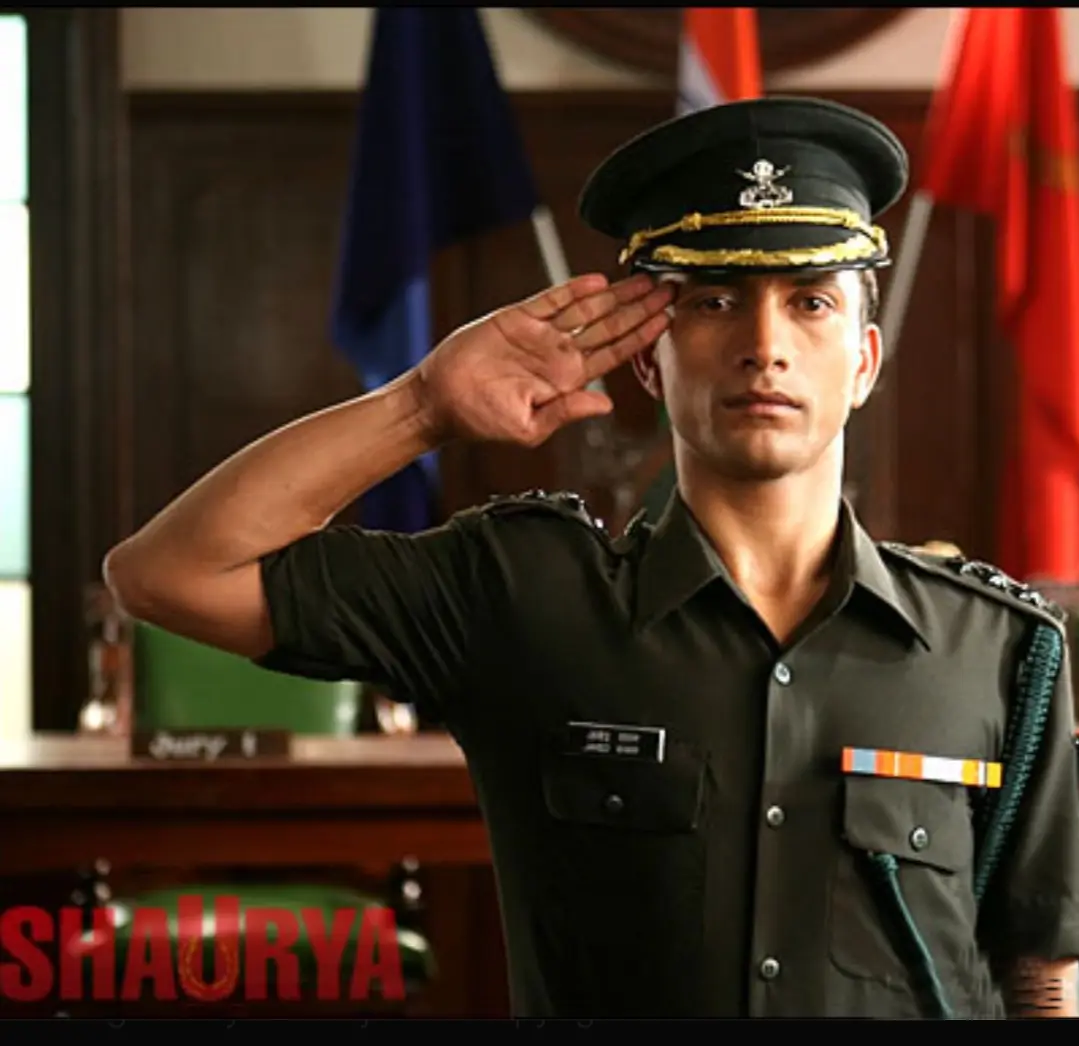
It was out of a pure, cosmic urge ingrained in his conscience that he shot his own senior officer, who was trying to kill innocents under the cloak of national security. There were 13 bullets in the magazine of his Beretta gun, which became 12 after he shot the Major. He could have very well escaped from the site of the crime by harming the other servicemen witnessing the event, but he chose honor. He knew the act committed by him was not wrong at all; it was the ultimate act of *Shaurya*. He dropped the gun at the spot itself and surrendered, despite being aware that his act would meet with severe reprimands. He stayed quiet till the very last day throughout the verdict to avoid letting the image of the Indian Army get tarnished in front of the populace. Eventually, the very witnesses who gave their statements in court in favor of Brigadier Pratap ended up saying:
“उस एक गोली की आवाज़ ने कुदरत को भी खामोश कर दिया... हम भला उसे क्या Arrest करते!”
This is what the definition of real *Shaurya* sounds like. Bravery and courage were never about the projection of power, the suppression of the weak, medals, or accolades. Real *Shaurya* is the unconditional and pure urge to stick to your fundamental and professional sense of morality, even if the world around you is in peril and absolute chaos. Even if the forces are all against you, you still have the spine to stabilize your conscience and get your acts right.

The next time you like and share a video, a post, or a reel that glorifies elements portraying superficial courage and machismo, ask yourself: does it really symbolize real *Shaurya*, or is it just a drive to force you to adopt communal hatred and a shallow sense of conscientiousness and morality?